
Mali’s shifting sands: Africa corps replaces Wagner’s shadow
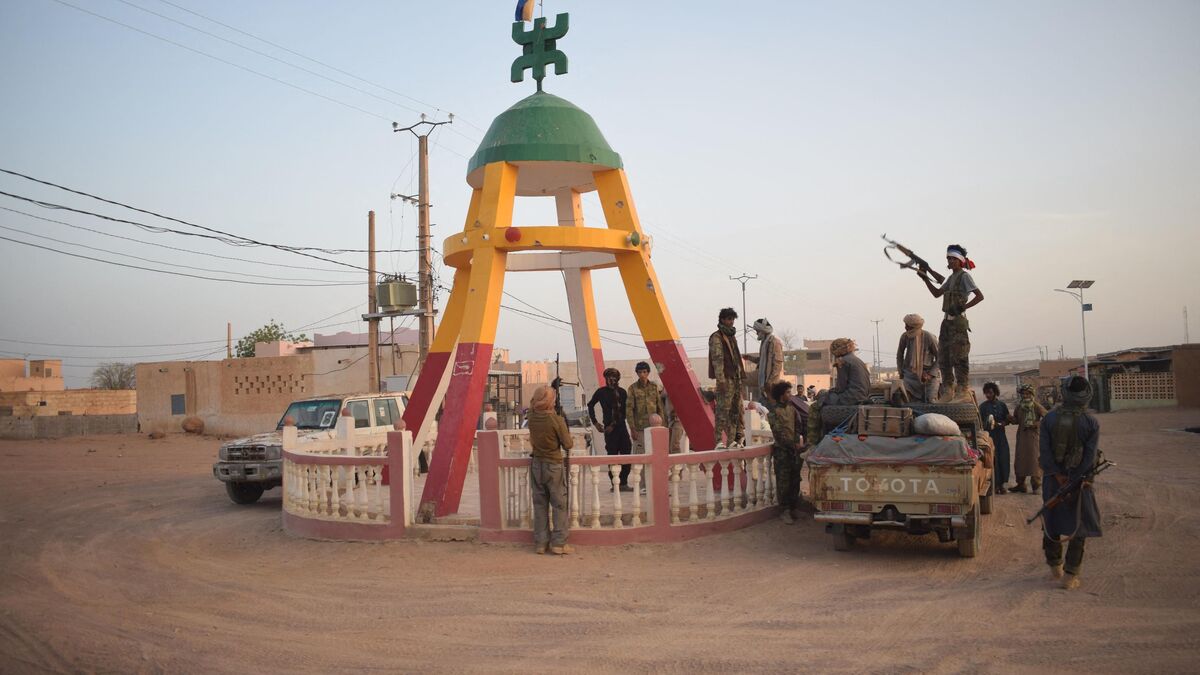
Strategic upheaval in the heart of the Sahel: Africa Corps, Moscow’s latest paramilitary asset, has been driven out of Kidal—a stronghold it held for years. This unexpected retreat comes as rebels and jihadist factions gain ground across Mali, challenging the junta’s fragile grip on power.
From Wagner to Africa Corps: a calculated transition
Once Wagner’s domain, Mali now hosts the stealthy Africa Corps—a unit less visible but tightly controlled by the Kremlin. Emerging in late 2023 under the shadow of Wagner’s faltering influence, it was first flagged by military blogger Deux Majors on Telegram, quoting Kremlin-aligned analyst Igor Korotchenko and citing Deputy Russian Defense Minister Iounous-bek Evkourov as its overseer.
The timing was no coincidence. Wagner’s founders, oligarch Evgueni Prigojine and ex-intelligence officer Dmitri Outkine, perished in a suspicious plane crash in August 2023—just months after Prigojine’s brief mutiny against the Kremlin. With Wagner’s reputation tarnished by war crimes allegations and its future uncertain, Moscow sought a cleaner, more centralized alternative.
Rebranding for a new era
The name itself carries historical weight. Africa Corps borrows from the Afrikakorps, the Nazi-era German force that operated in North Africa during World War II. While Wagner’s brutality became synonymous with reckless expansion, Africa Corps presents itself as a disciplined extension of Russian state power—one that avoids the same scrutiny.
Moscow’s playbook in the Sahel
Africa Corps has systematically expanded its footprint, deploying hundreds of operatives to Mali, Burkina Faso, Libya, Sudan, the Central African Republic, and Niger. Its stated mission: undermine Western influence, secure mineral wealth, and prop up allied regimes. Unlike Wagner’s chaotic tactics, Africa Corps focuses on state-to-state partnerships, offering military training, arms, and logistical support to compliant governments.
In Mali, its presence has been pivotal in shoring up the junta since 2024. But recent losses—including the fall of Kidal after fierce clashes—highlight the limits of Russian military aid. With French and other Western forces retreating from the region, Africa Corps has moved to fill the void, positioning itself as the key guarantor of Bamako’s survival against Tuareg rebels and Islamist insurgents.
A softer but still controversial face
While Africa Corps avoids the overt brutality associated with Wagner, it has not escaped international censure. In 2024, the UK sanctioned the group for alleged human rights abuses and resource exploitation, accusing it of profiting from gold, uranium, and other strategic minerals across Africa.
Yet its strategy remains effective. By embedding itself in fragile states, Africa Corps ensures Moscow’s influence endures—even as rebel forces chip away at government control. The retreat from Kidal may be a setback, but it does not signal defeat. Instead, it reflects a tactical repositioning: Africa Corps is evolving, not retreating.
One thing is clear: Russia’s paramilitary arm is here to stay, reshaping power dynamics in the Sahel one alliance at a time.