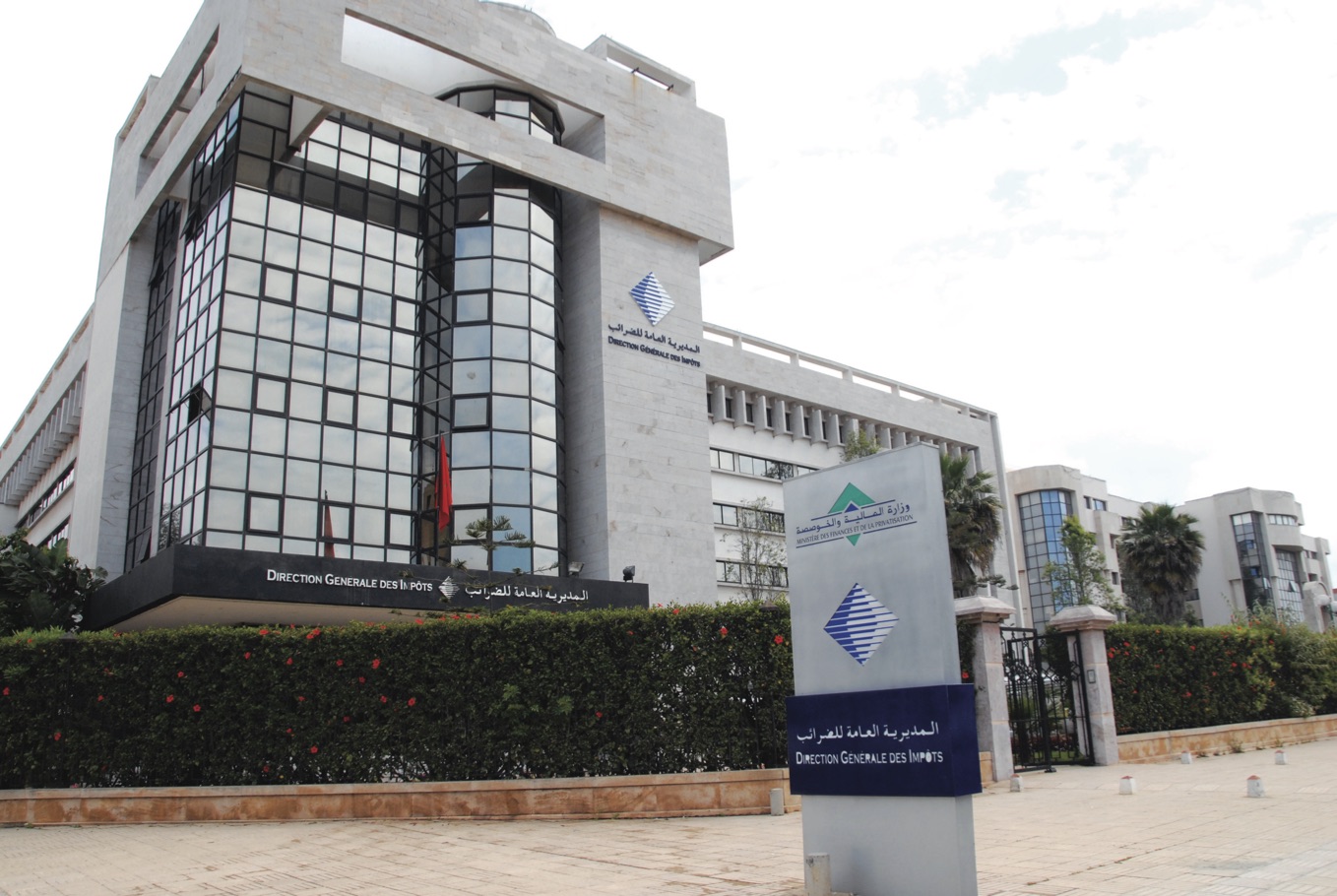

Digital platforms have evolved from mere entertainment hubs into economic powerhouses that shape global commerce. In Morocco, this transformation is undeniable, with social networks and streaming services now integral to daily life. Yet for years, these digital titans operated in a fiscal gray zone, leaving the country’s economy at a disadvantage. That changed on June 11, 2026, when the General Tax Directorate launched its digital services taxation platform, marking a historic shift in how the Kingdom addresses the digital economy.
The rise of these platforms is no accident. Rooted in decades of innovation from institutions like MIT and Silicon Valley, social media and streaming services were designed as profit-driven ventures. Today, they dominate attention spans worldwide: over 36.5% of total internet time is spent on social networks, with users spending nearly half their online activity connecting with others or consuming media. Behind these interactions lies an advertising juggernaut worth approximately 85% of these platforms’ revenue—and that figure continues to swell.
For businesses, the digital sphere is no longer optional. A staggering 90% of companies leveraging social media report tangible benefits, while the influencer marketing industry alone surged from $800 million in 2015 to $16.4 billion in 2022. Engagement rates for influencers soar to 96%, dwarfing traditional brand content. Morocco reflects this global trend, with 23.8 million social media users—63.4% of the population—creating a vast consumer base for digital commerce.
Local entrepreneurs and enterprises have adapted rapidly. In January 2022, YouTube boasted 21.5 million users in Morocco, Facebook Messenger 8.35 million, and TikTok 5.97 million users over 18. These aren’t just numbers—they represent communities, audiences, and potential revenue streams. Mohcine Benachir, CEO of Prestige Informatique, emphasizes, “We’re witnessing the emergence of a true digital economy in Morocco. Transactions facilitated through social platforms have become an economic reality, forcing businesses to adapt or risk obsolescence.” Digital advertising now commands nearly 17% of marketing budgets, a share that continues to grow.
the fiscal paradox: untapped wealth flowing abroad
Despite this digital boom, Morocco’s economy has largely missed out. Tech giants like Google and Meta dominate the online advertising market, controlling between 60% and 70% of the sector. In 2022 alone, Google reported $60 billion in net profits—primarily from ad revenue—yet paid no taxes in Morocco. The issue runs deeper than revenue: these companies operate outside the Kingdom, making regulation and negotiation nearly impossible. Moroccan businesses funneling ad spend through Meta send payments abroad in foreign currency, draining capital that could fuel local growth. A 2018 joint report by the Tax Directorate and Foreign Exchange Office highlighted this fiscal drain, but little changed—until now.
a new era of digital taxation begins
The wait is over. Since June 11, 2026, foreign digital service providers—including Netflix, Spotify, Google, Meta, Airbnb, and Uber—must register on the DGI’s Taxation on Digital Services platform (accessible via the SIMPL portal). Under Decree 2-25-862 (published December 2025), these companies face strict obligations: registering for a tax ID, filing quarterly revenue reports within the first month of each quarter, and maintaining detailed service records for potential audits. A dedicated DGI guide assists operators through the process.
Morocco joins over 30 countries adopting digital taxation, aligning with OECD recommendations. The stakes are high: a 2022 World Bank report found that full economic digitization in the MENA region could boost GDP per capita by 46% over 30 years, generating $1.6 trillion in gains and reducing unemployment from 10% to 7% within six years. Ouassim Driouchi, Telecom and Innovation Partner at BearingPoint, notes, “This isn’t an isolated Moroccan initiative—it’s a convergence toward OECD standards and EU practices like the OSS single window.”
The immediate financial impact is estimated between 500 million and 1 billion Moroccan dirhams annually. But the broader goal is leveling the playing field. For years, local startups and media outlets have operated at a 20% competitive disadvantage, paying taxes from their first dirham while global tech firms enjoyed exemptions. This reform is critical to fostering innovation and ensuring fair competition.
sovereignty, data, and the future of moroccan digital economy
Digital taxation transcends revenue collection. It’s about reclaiming economic sovereignty. As one observer notes, “This is about more than money—it’s about control over data, algorithms, and consumer behavior that currently elude national regulators.” By imposing VAT and requiring declarations, Morocco can redirect capital flows that once left the country untraceable. Every dirham spent on Facebook or Google ads is now a dirham that can contribute to local wealth creation.
Yet challenges remain. Tech giants possess the resources to challenge these rules, and the DGI’s platform, while advanced, is only the first step. Driouchi warns, “Effective enforcement demands a ‘4.0 administration’—one capable of real-time data analysis, secure interoperability with banking and telecom systems, and precise geolocation of digital transactions.” Success hinges on Morocco’s ability to build this infrastructure while empowering local players.
Local media and startups must collaborate to compete. As Mounir Jazouli, former president of the Moroccan Press Association, has long argued, pooling resources to create competitive, homegrown platforms is essential. Whether through ad-supported content models or innovative digital services, Morocco’s future in the digital economy depends on balancing global integration with local control.



