
Morocco’s cabinet reshuffle: behind the scenes of Mohammed VI’s strategic moves
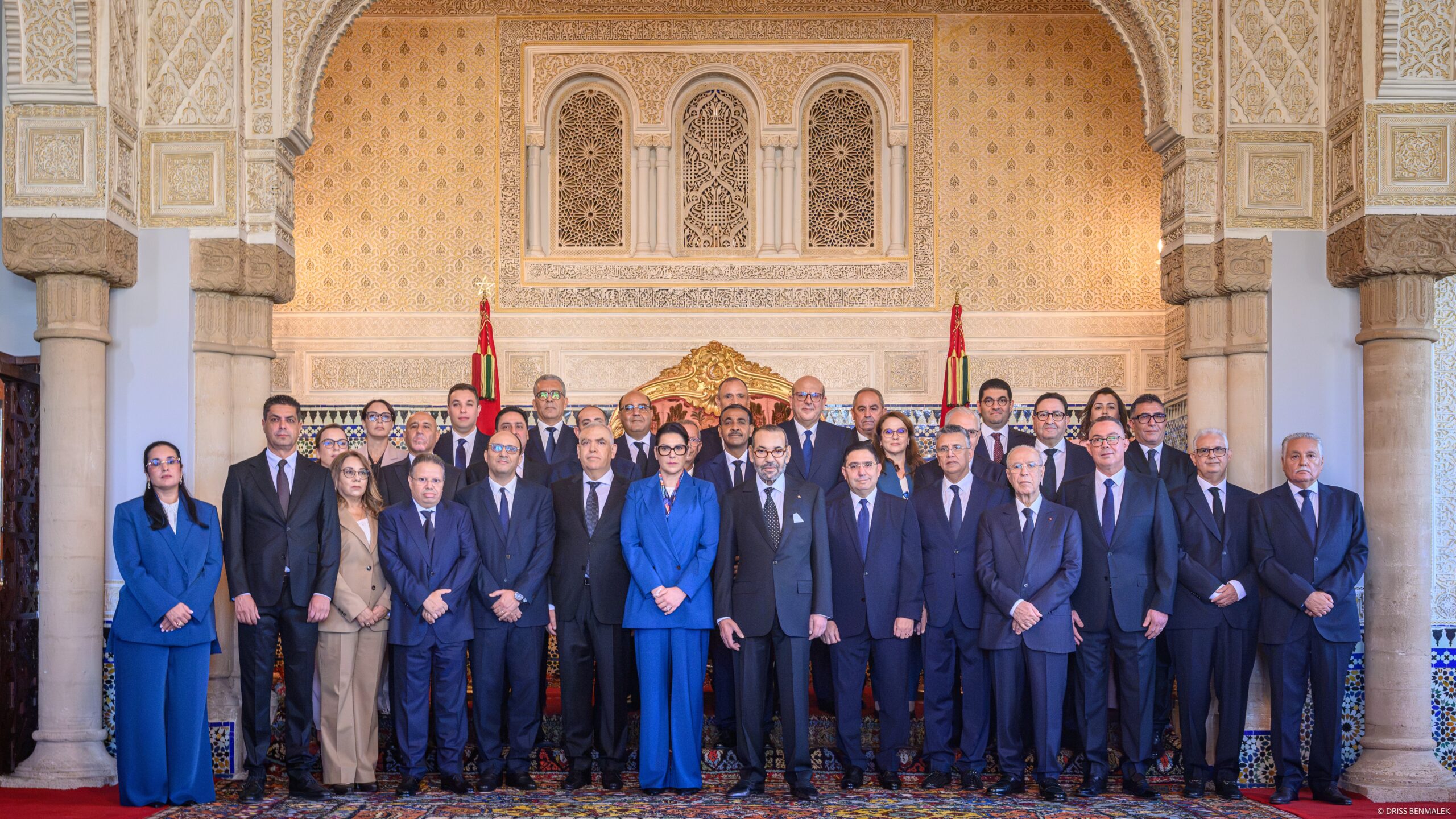
Behind closed doors at the Royal Palace in Rabat, King Mohammed VI oversaw a pivotal moment in Morocco’s political landscape on October 16, 2026. The ceremony marking the swearing-in of the new government members was more than a routine administrative step—it reflected deeper strategic calculations aimed at addressing pressing national and economic challenges. The reshuffle signals a deliberate shift to recalibrate the country’s governance amid shifting regional dynamics and internal pressures.

Why this reshuffle matters now
Morocco’s latest cabinet reshuffle arrives at a critical juncture, as the kingdom faces multiple competing priorities:
- Economic pressure: Rising inflation, declining purchasing power, and the need for fiscal consolidation have intensified calls for policy reform.
- Regional instability: Ongoing geopolitical shifts in North Africa and the Sahel demand agile diplomatic and security responses.
- Citizen expectations: Public demand for improved public services, job creation, and anti-corruption measures has grown louder in recent years.
For King Mohammed VI, this reshuffle is not merely a change of faces—it represents a recalibration of the executive’s ability to navigate these pressures while maintaining political stability. The selection process behind each ministerial appointment reveals careful consideration of both political alliances and technocratic competence.
The anatomy of the new cabinet: key appointments and silent power plays
The composition of the new government reflects a delicate balance between continuity and change, with several notable patterns emerging:
Key ministries take center stage
- Economy & Finance: A seasoned technocrat returns to helm a critical portfolio, signaling focus on fiscal discipline.
- Foreign Affairs: A seasoned diplomat is tasked with steering Morocco’s delicate balancing act between Europe and Africa.
- Interior & Security: A reshuffle in this ministry reflects renewed emphasis on border security and regional cooperation.
- Energy & Infrastructure: New leadership aims to accelerate renewable energy transitions and major infrastructure projects.
While the official list of appointees was made public during the ceremony, insiders report behind-the-scenes negotiations that lasted weeks. Several factors influenced the final choices:
- Tribal and regional representation: Maintaining cohesion across Morocco’s diverse political landscape remains a priority for the Palace.
- Generational balance: A mix of experienced leaders and younger reform-minded officials aims to bridge traditional governance with modern expectations.
- Elite networks and factions: The reshuffle reveals subtle shifts in influence among Morocco’s political and economic elites.
From oaths to outcomes: what citizens can expect next
While the swearing-in ceremony represented a symbolic start, the real test begins now. Several early indicators suggest where the new government may focus its efforts:
- Economic relief packages: Plans are reportedly being drafted to address the rising cost of living, including targeted subsidies and cash transfers.
- Job creation initiatives: A new national employment agency may be launched to tackle youth unemployment, a persistent challenge.
- Anti-corruption measures: High-profile investigations into past abuses are expected to continue, with the judiciary playing a key role.
- Regional diplomacy: Morocco’s role in stabilizing the Sahel and managing relations with neighbors like Algeria is likely to remain a priority.
Yet the success of these efforts hinges on more than good intentions. The new cabinet must navigate a complex web of domestic demands, regional tensions, and global economic pressures—all while maintaining the Palace’s traditional oversight role.
The unspoken challenges ahead
Can the new team deliver?
Several structural challenges could undermine the new government’s ability to meet public expectations:
- Limited fiscal space: Morocco’s budget deficit remains a concern, constraining spending flexibility.
- Bureaucratic inertia: Deep-rooted inefficiencies in government ministries may slow implementation of new policies.
- Political fragmentation: Despite the reshuffle, underlying tensions between political parties and elites could resurface.
- External shocks: Global energy prices and regional conflicts pose unpredictable risks to Morocco’s stability.
For King Mohammed VI, the reshuffle represents a high-stakes gamble: balancing reform with stability, ambition with realism. The coming months will reveal whether these behind-the-scenes calculations translate into tangible progress—or whether they merely paper over deeper structural issues.