
Nigerian military authorities have confirmed that the deadly wave of child abductions sweeping through southern regions stems directly from coordinated attacks orchestrated by the extremist faction Boko Haram. Recent intelligence reports and on-the-ground investigations reveal that these incidents mirror the group’s strategic shift toward softer targets in less fortified zones.
The latest incident unfolded in Yobe State, where armed militants launched a brutal assault on the Mafa district on a Sunday afternoon. Over 150 heavily armed terrorists descended on the area using more than 50 motorcycles, striking with rifles and rocket-propelled grenades. The coordinated assault left at least 81 civilians dead and scores missing, according to preliminary assessments.
Military response and regional implications
Abdulkarim Dungus, spokesperson for the Yobe State Police Command, described the attack as a deliberate escalation by Boko Haram to destabilize civilian morale and disrupt local security operations. “This was not a random act of violence,” Dungus emphasized. “It was a calculated move to instill fear and divert attention from ongoing military operations in the northeast.”
The Nigerian Armed Forces have since intensified aerial surveillance and ground patrols across the southern belt, deploying additional troops to high-risk communities. Security experts warn that these abductions are part of a broader campaign to recruit child soldiers and expand the group’s operational footprint beyond traditional strongholds.
Humanitarian crisis deepens
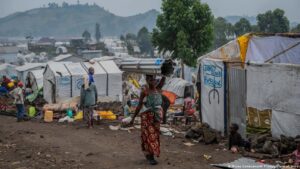
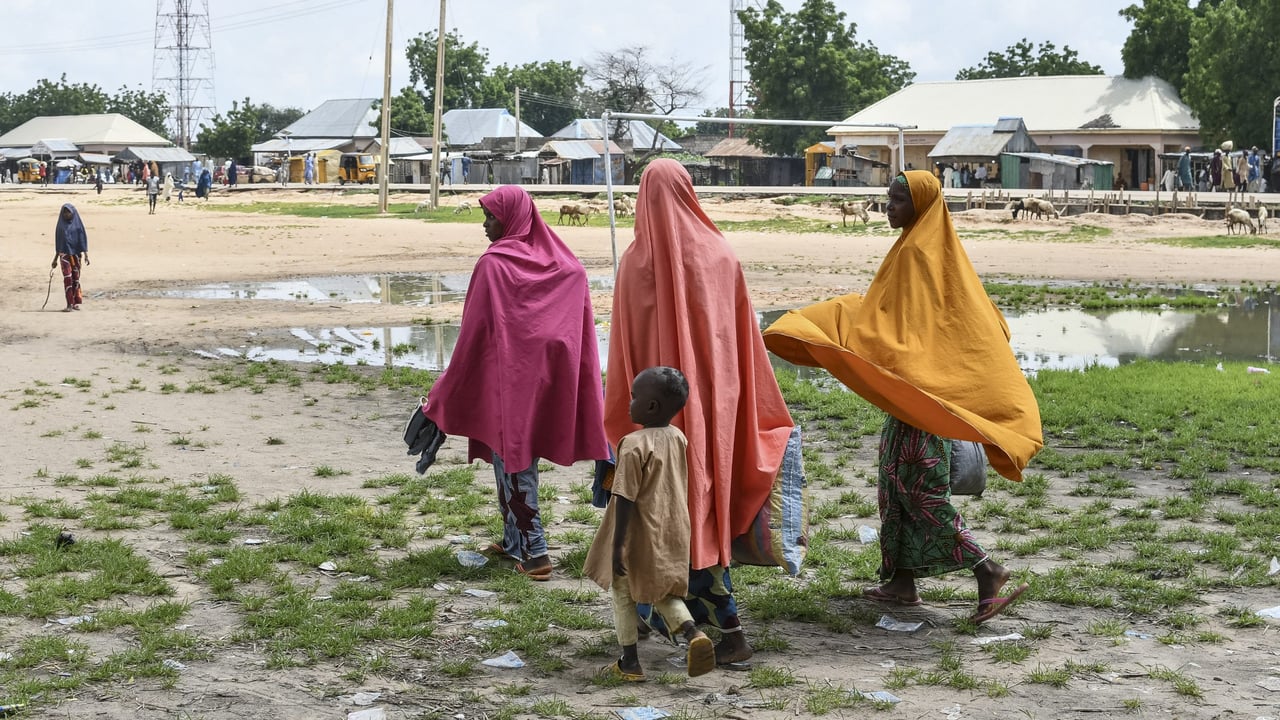
The surge in abductions has triggered a humanitarian emergency, with displaced families flooding into temporary shelters. Local NGOs report a sharp rise in trauma cases among children, many of whom witnessed violent attacks on their villages or were forcibly separated from their parents. Child protection agencies are calling for urgent intervention, citing the psychological toll on young survivors.
Government vows decisive action
In response, Nigeria’s federal government has pledged to bolster intelligence-sharing with neighboring countries and deploy specialized counterterrorism units to hotspots. President Bola Tinubu reiterated the administration’s commitment to eradicating Boko Haram’s influence, labeling the group’s tactics as a direct threat to regional stability.
As the crisis unfolds, communities brace for further violence while authorities work to dismantle the extremist network. The evolving tactics of Boko Haram demand a unified regional response to prevent further loss of life and protect vulnerable populations.