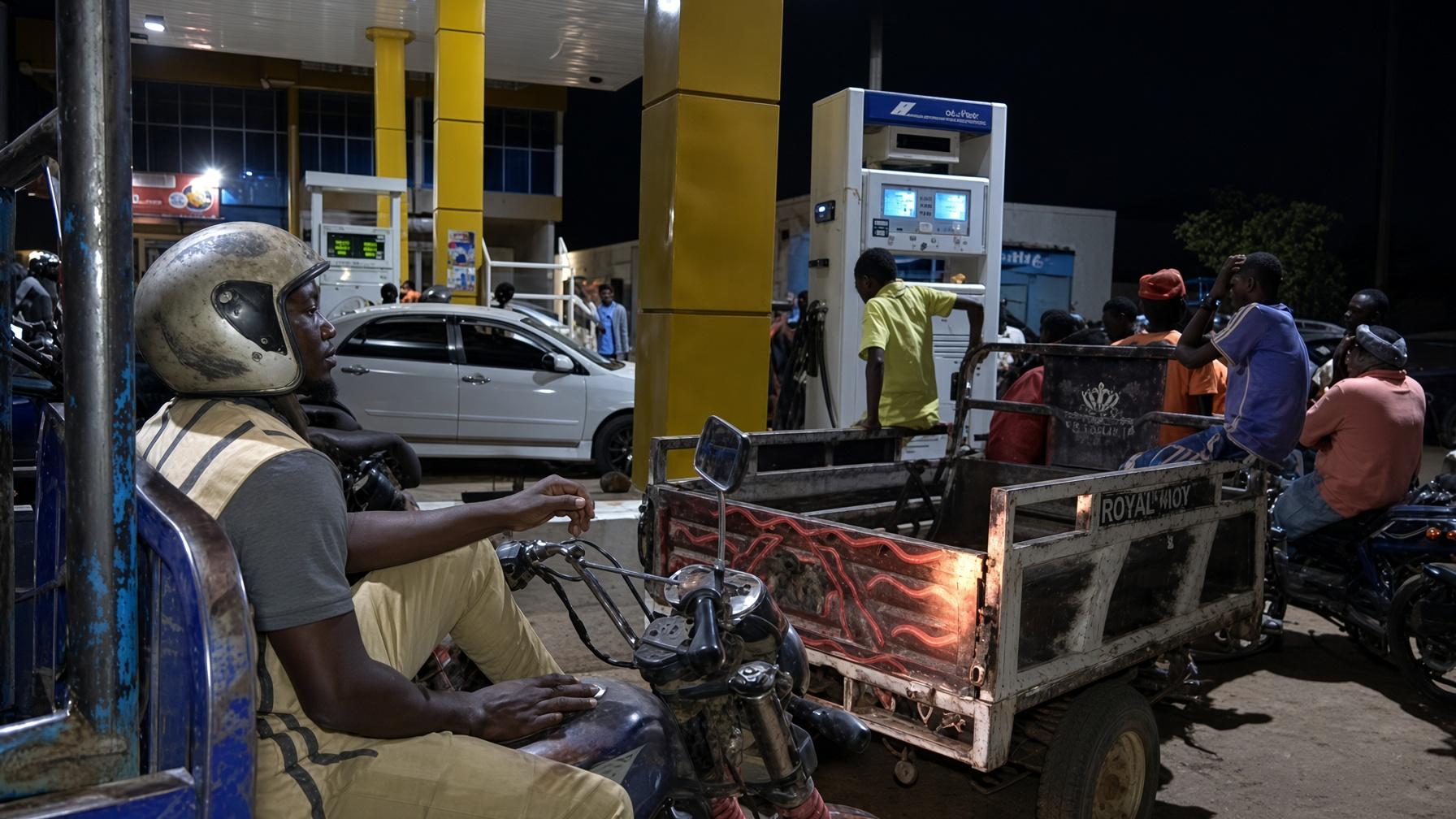

Niger’s recurring fuel shortages have pushed the government to resort to drastic measures, but the latest policies may be exposing more systemic flaws than they resolve. Since October 19, 2026, a joint decree from the Interior, Petroleum, and Trade ministries has enforced overnight closures at fuel stations and banned sales in jerrycans and containers. While framed as a temporary fix to streamline logistics, the approach risks shifting bottlenecks from the shadows of the black market into the glaring light of daily commuter chaos.
Behind the curfew: a forced logistical gamble
The new nighttime curfew, in effect from 9 PM to 6 AM, is officially designed to clear the way for tanker trucks from the Société Nigérienne de Pétrole (SONIDEP) to unload at depots across the country. The stated goal is to improve efficiency by removing nocturnal traffic obstacles. However, in practice, this restriction compresses fuel access into fewer daylight hours, inevitably concentrating demand during peak usage periods.
Local authorities have pledged to designate “emergency stations” in every municipality, but details on capacity, allocation criteria, and actual availability remain conspicuously absent. Without clear operational guidelines, these designated sites risk becoming overloaded bottlenecks rather than solutions, leaving motorists with long waits and heightened frustration.
Cracking down on jerrycans: targeting symptoms, not causes
The second pillar of the government’s strategy targets the informal fuel trade. Sales through jerrycans, plastic containers, or other non-standard vessels are now prohibited in areas with at least one official fuel station. Authorities argue this move will dismantle the “artificial scarcity” created by black-market vendors profiteering from shortages.
Yet this approach overlooks a critical fact: in many regions, informal fuel sales don’t exist out of malice—they exist out of necessity. The official distribution network, plagued by delays, mismanagement, and logistical delays, often fails to deliver fuel reliably. When trucks are delayed or depots run dry, small vendors step in to fill the gap, offering motorists a lifeline that the state has failed to provide. By criminalizing these transactions and deploying security forces to enforce the ban, the government shifts blame onto desperate citizens and petty traders rather than addressing the structural supply failures at the heart of the crisis.
The burden of adaptation: when policy punishes the powerless
This emergency plan, reportedly developed in collaboration with SONIDEP, Niamey’s municipal leadership, and regional officials, is presented as a rational, short-term response to an immediate crisis. Administrators have called for public “civic duty” and “discipline”—language that places the onus on Nigerien drivers to adjust their routines to an unreliable system rather than demanding accountability from the institutions responsible for fuel distribution.
Unless the government undertakes a fundamental overhaul of its petroleum logistics—strengthening storage capacity, optimizing transport routes, and ensuring consistent supply—these restrictions will likely become permanent fixtures of daily life. Drivers will continue to face excruciating waits, and smugglers will find new ways to exploit gaps in the system. The only certainty is that the most vulnerable will bear the brunt of a policy that, at its core, treats the symptom while ignoring the disease.