Morocco, Algeria, and Tunisia: the Ceuta crisis ignites debates on sovereignty, migration, and pressing regional issues
Few anticipated that a modest city, spanning just 19 square kilometers, would become the epicenter of a humanitarian and diplomatic crisis, sending ripples across Southern Europe.
Within a mere few hours on Thursday, Ceuta witnessed an influx of thousands of migrants from Moroccan territory. This event marked the largest mass crossing into the city since the 2021 crisis.
Local Ceuta authorities reported approximately 60,000 migrants entering the enclave. The human toll was severe, with the Spanish Interior Ministry confirming 34 fatalities by Friday afternoon.
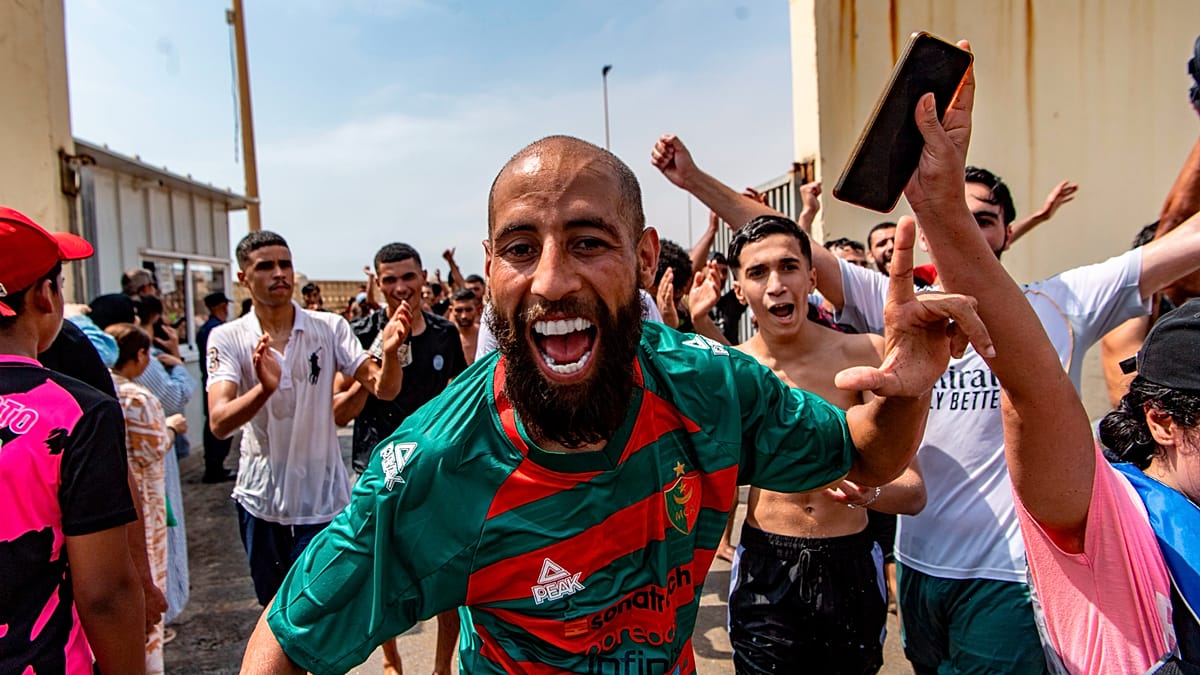
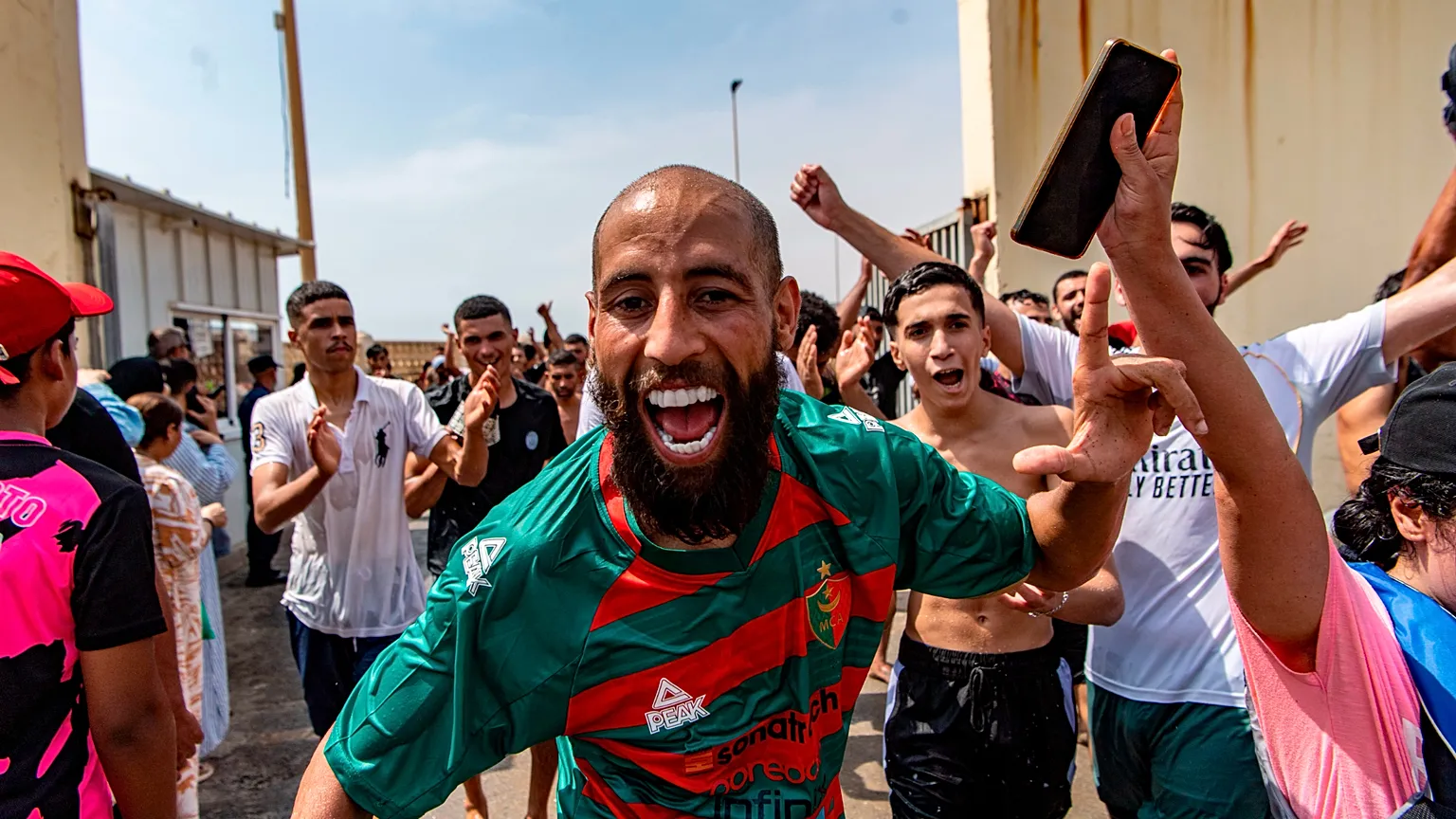
Videos captured on Ceuta’s Tarajal beach depicted the chaotic nature of these crossings, showing large groups of individuals rushing between the breakwater and the roads bordering the frontier zone.
While most new arrivals were young adults, footage also revealed women with children and entire families undertaking the perilous journey, facing risks of drowning and severe exhaustion.
How did official and public reactions in Morocco, and across North Africa, respond to these dramatic events? We examine the key perspectives from the region.
Morocco’s sovereignty claims re-emerge
The developments in Ceuta on Thursday reignited one of the most sensitive issues in Moroccan-Spanish relations: the sovereignty over Ceuta and Melilla. Rabat has historically considered these cities integral parts of its territory since gaining independence from France and Spain in 1956.
This crisis notably coincided with Morocco’s Throne Day celebrations, an occasion commemorating the monarch’s ascension and the reaffirmation of national allegiance and unity.
A widely read Moroccan news platform observed that the “waves of incursions into Ceuta, which later extended to Melilla, brought the debate on the social and economic situation in the border areas of both enclaves back to the forefront.”
It further highlighted that “what transpired once again illuminates the intrinsic link between these cities and their Moroccan surroundings, alongside the complexities of their historical and sovereignty status.”
The platform asserted that the crisis compelled Ceuta’s local authorities to seek intervention from the central government in Madrid. Madrid promptly engaged with Moroccan counterparts to discuss de-escalation strategies, ultimately agreeing on the repatriation of individuals who had managed to enter the city.
Yahya Yahya, president of the national committee advocating for the reintegration of Ceuta, Melilla, and adjacent islands, was quoted as stating that Ceuta’s handling of the events exposed “the fragility of the Spanish presence in the region.” He deemed the Ceuta government head’s request to deploy the army a “political failure.”
Algeria’s stance
Meanwhile, Algeria’s desire to gain political leverage against Rabat, coupled with the long-standing animosity between the two neighboring nations, heavily influenced Algeria’s public position on the Ceuta events.
An Algerian news site characterized the situation as a “massive exodus of Moroccans” and contended that Rabat, which it labeled “Europe’s spoiled child,” had once again weaponized the “migratory bomb” against Madrid.
The Algerian publication argued that European leaders preferred to direct their criticism towards Spain rather than addressing what it perceived as the primary cause of this human tide of migrants. It specifically pointed to Italian Prime Minister Giorgia Meloni’s call for suspending Spain’s Schengen area membership following the events.
This private media outlet went further, accusing Italian Foreign Minister Antonio Tajani of seeking to curry favor with Morocco due to his alleged close ties with the royal palace.
It additionally alleged that Moroccan security forces permitted crowds of migrants to enter Ceuta without intervention, asserting that Rabat was either incapable of controlling its borders or was deliberately using migration as a tool against its Spanish neighbor.
The platform also relayed the reactions of right-wing and far-right factions in France to the Ceuta events, noting their criticism of Spain without a single word directed at Morocco.
Algerian state television echoed similar criticisms of Rabat, suggesting that the events amounted to a “massive flight” reflecting difficult economic and social conditions within Morocco.
Algeria itself faces significant youth unemployment, hovering around 31%. Its government has drawn criticism for suppressing the Hirak protest movement, which mobilized millions between 2019 and 2021, and for using legal proceedings to silence journalists, activists, and dissidents.
Unsurprisingly, political discourse dominated Algerian social media responses. Platforms were flooded with sarcastic comments, one famously renaming Morocco “Switzerland” and emphatically stating that Ceuta is Spanish.
A Moroccan internet user retorted that Algerian nationals were also among those fleeing to Spain, seeking escape from their own country’s harsh realities.
Another user shared a video depicting individuals of various nationalities seeking better lives away from their homelands, emphasizing that factors driving migration transcend national affiliation.
A separate video, posted by a Moroccan account, highlighted irregular migration within Algeria and the perceived media silence surrounding it.
Tunisia: “only the king remains”
In Tunisia, social media users shared videos of the mass crossings into Ceuta, often accompanied by humorous commentary.
Some users quipped, “Only the king remains,” alluding to the significant number of people who departed Morocco in a matter of hours.
Conversely, others viewed these images as stark evidence of the profound social and economic crisis afflicting much of North Africa’s youth. They argued that escalating unemployment compels individuals to risk their lives in pursuit of a better future in Europe.
Tunisia itself grapples with severe structural economic challenges. Youth unemployment reached 38% in 2025, marking the highest rate among the three Maghreb countries.
The nation has also become a major source of irregular migration to Europe, with Tunisian citizens now among the primary groups crossing the Mediterranean to Italy. This reality adds a layer of irony to Tunisian social media comments regarding the Ceuta crossings.
President Kaïs Saïed consolidated executive power in July 2021, dissolved Parliament, and in 2022, enacted a new Constitution that human rights organizations describe as dismantling the gains of the 2011 revolution.
Insights into ceuta and melilla
Spain maintains two sovereign enclaves bordering northern Morocco: Ceuta and Melilla.
Ceuta was first seized by the Portuguese in 1415, remaining under their control for nearly two centuries before transitioning to Spanish rule in 1668, formalized by the Treaty of Lisbon that same year.
Melilla came under the authority of the Spanish crown in the late 15th century, when Spanish forces captured it in 1497, five years after the fall of Granada, the last stronghold of Islamic presence on the Iberian Peninsula.
In 1995, Madrid granted both cities autonomous status, aligning them with other Spanish regions that operate under a decentralized system.
Morocco persistently regards Ceuta and Melilla as occupied territories, referring to them as “the two enclaves,” and has long advocated for a resolution through dialogue with Spain.
Madrid, conversely, consistently reaffirms its sovereignty over these two cities, which have evolved into primary transit points for illicit trade and irregular migration into Europe via Spain.
This situation prompted Spanish authorities, in 1995, to construct an 8.4-kilometer-long fence separating Ceuta from Moroccan territory. At some points, it reaches 10 meters in height and is equipped with barbed wire, electronic sensors, and loudspeakers to deter intrusion attempts.
Another border barrier was erected between Melilla and Morocco in the mid-1990s. This 12-kilometer-long fence, approximately two meters high, features similar electronic equipment to prevent migrants from entering the city unlawfully.
The 2021 crisis, during which approximately 8,000 people crossed the border within days, was largely attributed to a diplomatic spat between Madrid and Rabat. This occurred after Spain permitted Brahim Ghali, the leader of the Western Sahara’s Polisario Front, to receive medical treatment on its soil. Morocco denied any involvement in that crisis at the time.