

Paris braces for an unprecedented night with three concerts and champions league final
On May 30, massive concerts and the Champions League final will draw hundreds of thousands of people to Paris and its suburbs.

Paris is gearing up for one of the most electrifying nights of the year. On Saturday, May 30, the capital will transform into a hub of unparalleled activity. Three massive concerts and the Champions League final will unfold almost simultaneously, drawing hundreds of thousands of people to the streets, public transport, and major venues across the region. Managing this unprecedented convergence presents a monumental challenge for Parisian authorities.
Three blockbuster concerts in one evening
The lineup is nothing short of spectacular. Pop sensation Aya Nakamura will take the stage at Stade de France in Saint-Denis, a location already synonymous with high-energy events. Meanwhile, Damso will fill the Paris La Défense Arena, one of Europe’s largest indoor venues, with his electrifying performance. Adding to the excitement, rapper Bouss will command the stage at Accor Arena in Bercy. Three colossal concerts happening in near-perfect synchronization.
Champions League final casts a long shadow
Yet the most critical focus remains the Champions League final. Though the match itself won’t be held in Paris, thousands of supporters are expected to gather in bars, fan zones, and public viewing areas throughout the city. Paris Mayor Emmanuel Grégoire has opted against setting up an official fan zone in the capital, citing concerns raised by law enforcement. “This isn’t the right time,” he acknowledged. However, a giant-screen broadcast at Parc des Princes is planned, requiring a robust security presence.
Memories of last year’s final still linger. In 2025, the celebrations following a Champions League victory turned tumultuous, culminating in over 500 arrests in Paris and surrounding areas. More recently, after a semifinal win against Bayern Munich, 127 people were detained in the greater Paris region, 11 were injured—one seriously—and 23 police officers sustained minor injuries.
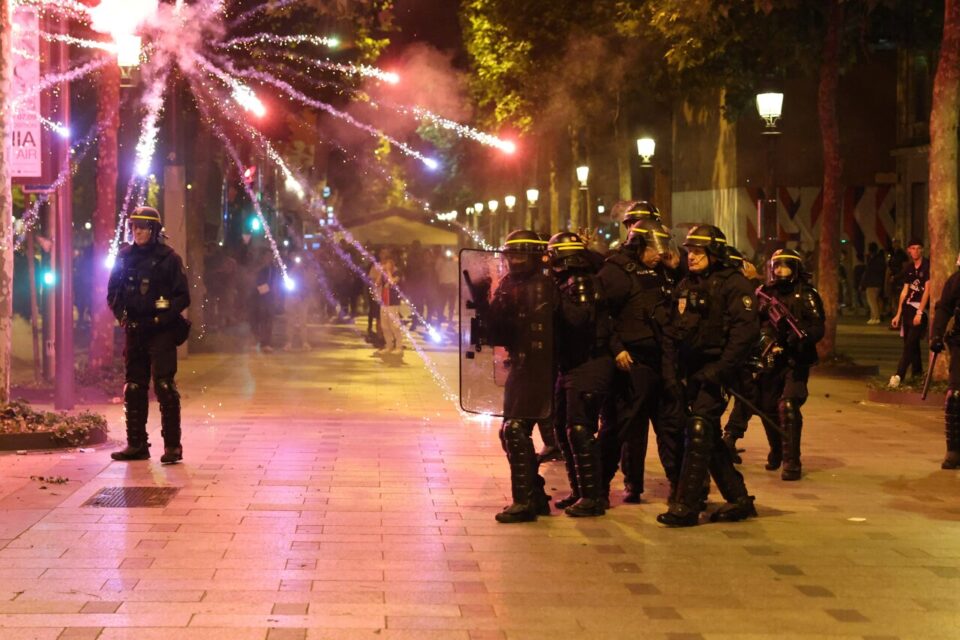
Transportation gridlock looms large
The convergence of these events will place immense pressure on public transport and road networks. Areas surrounding Stade de France, La Défense, Bercy, and Parc des Princes are expected to be jam-packed late into the night. Commuters returning from concerts and football fans heading home will likely collide in transit, creating potential bottlenecks. RER lines, metro systems, and major arteries could face severe congestion.
A robust security and crowd-control strategy will be essential to navigate this rare convergence of events. Beyond the logistical hurdles, the night promises an electric atmosphere unlike any other. With football fans, concertgoers, and hundreds of thousands of travelers sharing the same spaces, Paris could experience one of its most vibrant evenings. The question remains: will it be a night to remember for all the right reasons?

Related Posts


