
Political Showdown in Kinshasa: Opposition March Sparks Internal Strife in Ruling Coalition
- Politics
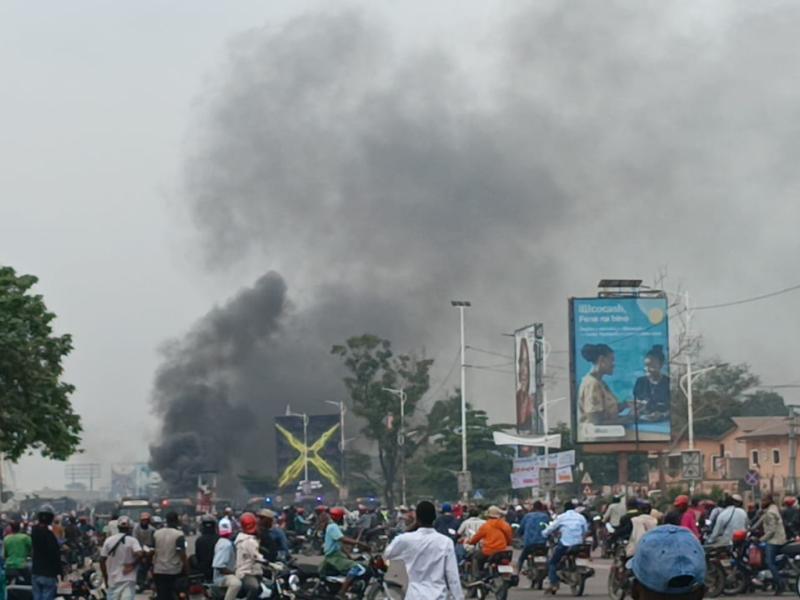
Tensions within the Democratic Republic of Congo’s ruling coalition have escalated as senior figures clash over how to respond to an opposition march scheduled for July 22. The demonstration, organized by the C64 coalition, demands President Félix Tshisekedi’s resignation, accusing him of betraying his constitutional oath through a proposed constitutional change.
Mbata’s Call for Counter-March vs. Kabuya’s Demobilization
While opposition groups prepare to converge on the Palais de la Nation in Kinshasa, André Mbata, a prominent member of the ruling Union Sacrée de la Nation (USN) and constitutional law professor, has called for a counter-march across all 25 provinces and the diaspora. Mbata, currently in Cameroon on parliamentary duties, issued a stern directive urging USN members to mobilize against what he describes as an attempted coup by those seeking to undermine the president’s democratic mandate.
Kabuya’s Opposition to Protests
In stark contrast, Augustin Kabuya, Secretary-General of the ruling UDPS party and a key member of the USN presidency, has publicly opposed the counter-march initiative. In a brief statement released on July 13, Kabuya instructed UDPS members to carry on with their usual activities on July 22, warning them not to use routes designated for the opposition’s march.
“There is no march planned for that date, and members should avoid routes used by opposition groups,” Kabuya stated, despite his own reservations about the opposition’s demonstration.
Mbata swiftly retaliated, dismissing Kabuya’s directive as politically misguided. In a scathing response, he emphasized that the USN, comprising over 900 political parties and associations, cannot be reduced to the position of a single member. “A premature and clumsy statement by one party official speaks only for itself,” Mbata argued, accusing Kabuya of undermining collective efforts to counter opposition movements.
Deepening Divisions Within the Ruling Coalition
The public feud between Kabuya and Mbata underscores growing fractures within the USN, particularly as the 2028 elections loom. Their rivalry has historical roots, including a bitter dispute during the Sankuru governor election earlier this year. Mbata openly defied Kabuya’s candidate by backing an alternative, Jules Lodi Emongo, who ultimately won the election. This episode highlighted the fragility of internal cohesion within the ruling coalition.
Analysts suggest these divisions could weaken the Tshisekedi administration’s ability to govern effectively, especially as constitutional reforms and security challenges intensify. With less than two years remaining in Tshisekedi’s second term, the infighting raises concerns about the coalition’s future stability and its capacity to address the nation’s pressing issues.