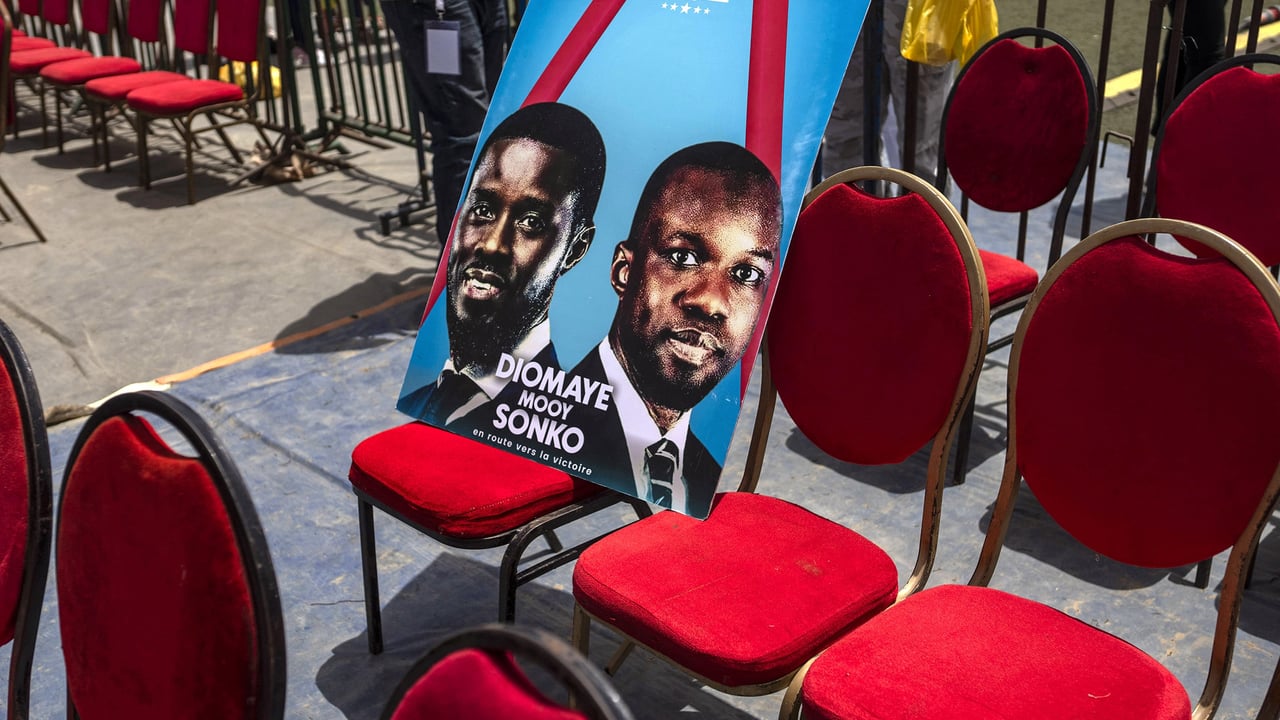


The political landscape in Senegal is undergoing significant shifts as newly elected President Bassirou Diomaye Faye and his coalition partner, Ousmane Sonko, take decisive steps to restructure their leadership teams. Recent administrative changes have reshaped the government’s inner circle, reflecting a broader strategy to consolidate influence and align with the administration’s vision.
High-profile departures mark the transition
The restructuring efforts have led to a series of high-profile resignations, dismissals, and exclusions from key positions. Among those affected are prominent figures who previously held strategic roles within the government. These changes signal a deliberate effort to streamline operations and enhance efficiency in the presidential administration.
The shake-up is not limited to political appointees; several high-ranking officials across various ministries have also been impacted. Observers note that these adjustments are part of a wider initiative to ensure that leadership aligns with the administration’s goals and priorities.
Reasons behind the house-cleaning
The leadership overhaul appears to be driven by multiple factors. First, it aims to remove individuals whose loyalties may no longer align with the administration’s evolving objectives. Second, it seeks to introduce fresh perspectives and expertise to tackle the country’s pressing challenges, from economic recovery to institutional reforms.
In a recent statement, government insiders emphasized that the changes were necessary to foster transparency and accountability within the administration. The move underscores a commitment to governance that prioritizes the public interest over entrenched interests.
Impact on governance and public perception
The restructuring is expected to have far-reaching consequences for Senegal’s political stability and development trajectory. By reshaping the leadership landscape, the administration aims to project a renewed sense of purpose and direction. This, in turn, could bolster public confidence in the government’s ability to deliver on its promises.
Analysts suggest that the changes may also influence the administration’s relationship with international partners. A more cohesive and focused leadership team could enhance Senegal’s standing on the global stage, particularly in negotiations related to trade, investment, and development aid.
Looking ahead: What’s next for Senegal’s leadership?
As the dust settles on the recent reshuffle, attention now turns to the next phase of the administration’s agenda. Key questions remain about the specific roles and responsibilities of the newly appointed officials, as well as the timeline for implementing the administration’s policy priorities.
The leadership changes also raise broader questions about the future of political alliances in Senegal. With Ousmane Sonko playing a pivotal role in the administration, the dynamics of the ruling coalition will be closely watched for signs of further realignment.
The coming weeks and months will be critical in determining whether these administrative adjustments translate into tangible improvements in governance and public service delivery.