
Political tensions rise in Senegal after diomaye faye and sonko split
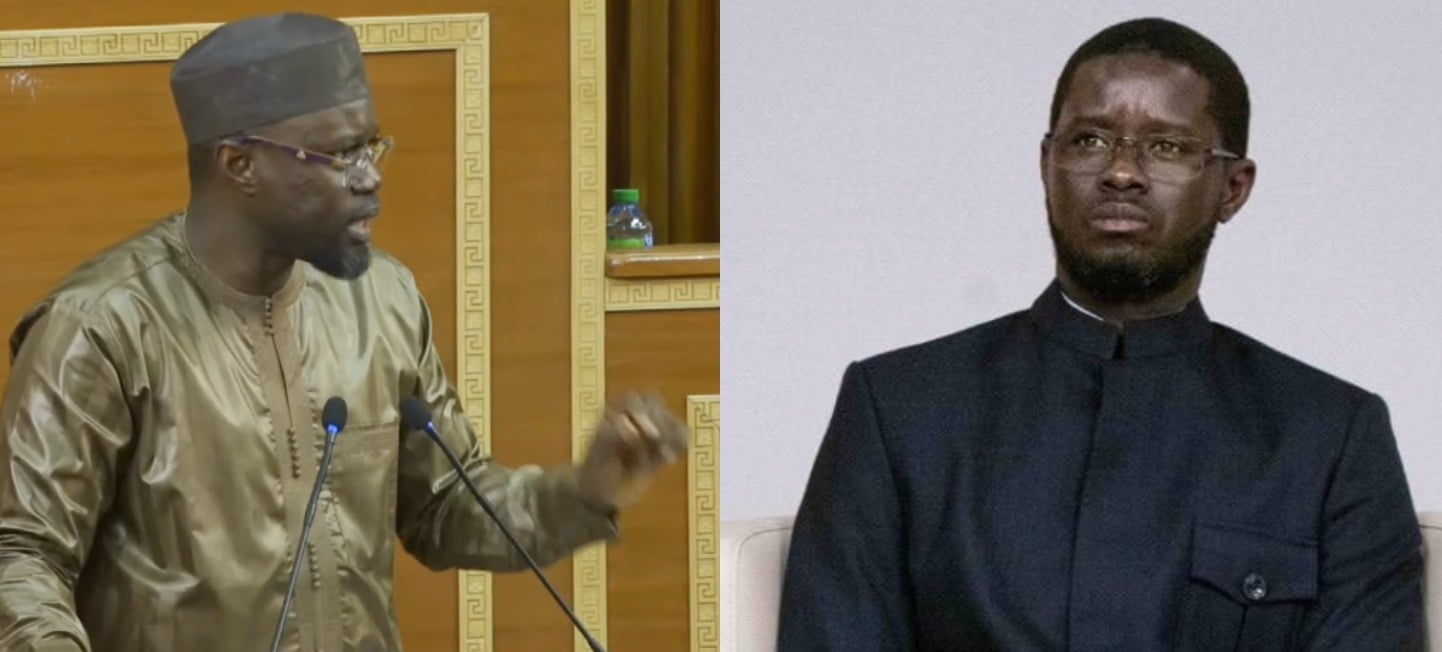
The political landscape in Senegal has taken a sharp turn following the unexpected dismissal of Ousmane Sonko from his role as Prime Minister. This decision has triggered a wave of resignations across key public institutions, casting uncertainty over the future of the nation’s governance and public services.
a leadership shift that shakes the foundation
The removal of Sonko from the Prime Minister’s office has sent ripples through Senegal’s political sphere, raising critical questions about loyalty, policy alignment, and the stability of the government’s agenda. Officials previously aligned with Sonko are now reassessing their positions, while others are openly questioning the direction of the ruling party’s leadership.
Analysts warn that this fracture could weaken the administration’s ability to implement reforms and maintain public trust, particularly as the country faces pressing economic and social challenges.
public sector exodus fuels instability
The fallout from Sonko’s dismissal has extended beyond political circles, with high-ranking officials in public institutions stepping down in protest. This mass departure risks disrupting vital services and undermining the continuity of government operations, further destabilizing an already fragile political environment.
The situation is further complicated by growing dissent within Sonko’s own coalition, where key figures are distancing themselves from the administration. This internal strife could lead to legal and parliamentary confrontations, deepening the rift between President Bassirou Diomaye Faye and his former ally.
what lies ahead for Senegal’s government
With tensions escalating, Senegal now stands at a crossroads. The coming weeks will be pivotal in determining whether the administration can regain control or if the country will face prolonged political gridlock. The public’s confidence in the government’s ability to navigate this crisis will be closely watched.