
Senegalese minister Moussa Bala Fofana addresses PASTEF tensions
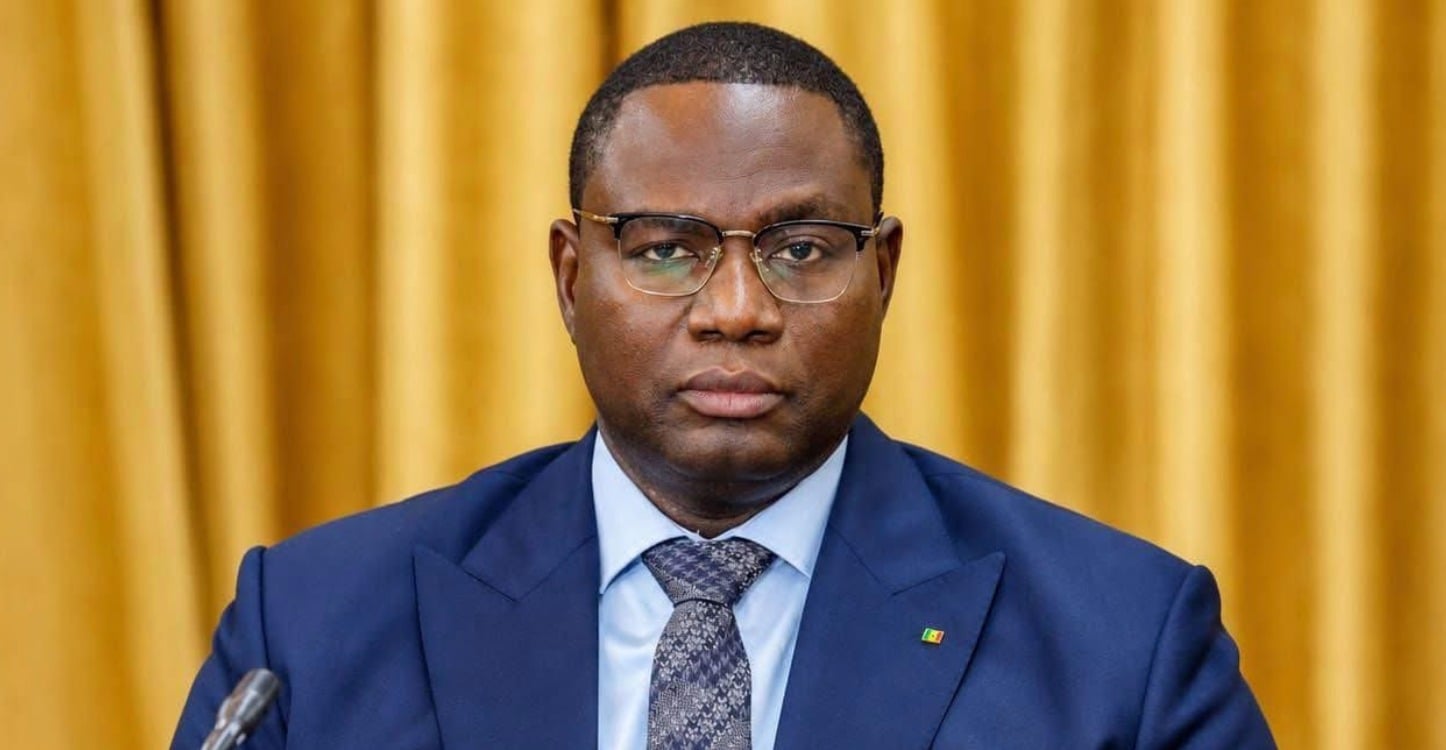
In the midst of growing internal tensions within PASTEF, Minister Moussa Bala Fofana has stepped forward to clarify his stance following public remarks by party leader Ousmane Sonko. As a long-serving member of the government, the Minister of Urban Planning, Local Authorities and Territorial Development reaffirmed his unwavering loyalty to President Bassirou Diomaye Faye while emphasizing the need to uphold state continuity.
Minister responds to party leader’s criticism
Minister Moussa Bala Fofana’s statement comes at a time when PASTEF is grappling with internal divisions and questions surrounding the loyalty of certain government officials retained in their positions. Addressing the concerns raised by Ousmane Sonko, he underscored his commitment to public service and acknowledged the renewed trust placed in him by President Bassirou Diomaye Faye.
In his remarks, the Minister emphasized that his decision to remain in government was not driven by political expediency or personal ambition. He stated, « I acted freely and independently », rejecting any suggestion of partisan disobedience. Fofana revealed that he had no prior relationship with President Faye before assuming office but praised the administration’s focus on implementing public policies.
He also highlighted his long-standing collaboration with Ousmane Sonko, now President of the National Assembly, describing their shared political journey as foundational to the party’s initial vision. Despite current disagreements, he affirmed that these professional and personal ties remain intact.
Balancing party discipline and national duty
The Minister framed his decision as a deliberate choice between party loyalty and national responsibility. He explained that he prioritized the commitments made to the Senegalese people during the 2024 campaign, stating, « Between partisan logic and my duty to the Nation, I chose to continue the mission entrusted to me ». This stance, he argued, reflects a commitment to public interest over short-term political considerations.
Fofana acknowledged that his position may generate criticism within his former party circles but insisted that he accepted the potential fallout as part of his dedication to administrative continuity and policy implementation. He distanced himself from personal popularity, asserting that the nation’s needs must take precedence over partisan interests. Concluding his remarks, he emphasized that Senegal’s greater interests transcend individual allegiances, reaffirming his loyalty to what he termed « loyalty to conscience and public service ».