
Mali: civilians and soldiers face brutal abuses in the north amid junta silence
Northern Mali mired in a spiral of violence and impunity
Disturbing reports of torture and summary executions of Malian soldiers captured in the northern regions have sparked global outrage, prompting the United Nations to join local human rights groups in demanding an independent probe. The unfolding crisis—fueled by clashes involving the Malian army, Russian-linked forces, and armed groups—has left the transitional government in Bamako facing mounting pressure to address alleged violations of international humanitarian law.
Unverified but chilling accounts of war crimes
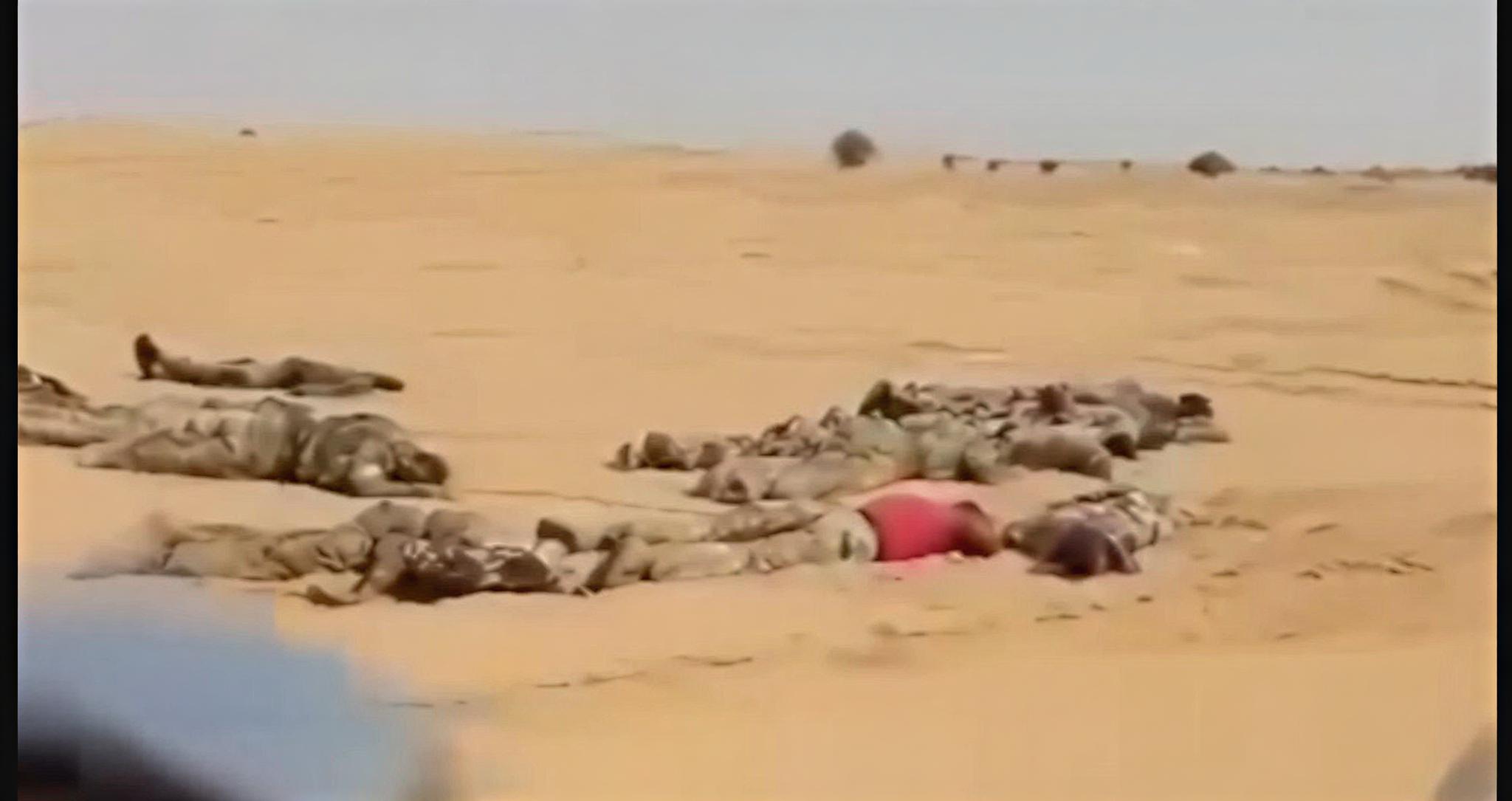
Following intense fighting in northern Mali, harrowing testimonies and social media footage have emerged, alleging that dozens of Malian Armed Forces (FAMa) soldiers were tortured and executed after surrendering. The victims, captured during ambushes on military convoys, were reportedly stripped of their protected status under the Geneva Conventions, which prohibit the killing and mistreatment of prisoners of war.
The UN High Commissioner for Human Rights swiftly condemned the acts, labeling them potential war crimes. The international body has called for an urgent and transparent investigation to uncover the truth and hold those responsible accountable. The silence from Bamako has only deepened concerns about the junta’s commitment to justice and accountability.
A junta caught between denial and political risk
The transitional military government, led by Colonel Assimi Goïta, has so far refrained from issuing an official response, leaving families of the victims and civil society in limbo. The government’s usual rhetoric of military progress and sovereignty now clashes with the grim reality unfolding on the ground, raising questions about its strategy:
- Strategic vulnerability: Acknowledging such failures and admitting to atrocities against its own troops could undermine the regime’s narrative of a strengthening security apparatus.
- Eroding trust: Ignoring appeals from victims’ families and human rights organizations risks exacerbating divisions within the armed forces and fueling public distrust.
Civilian populations bear the brunt of systemic abuses
This call for accountability comes amid a broader pattern of alleged human rights violations involving Malian forces and their Russian allies, previously linked to the Wagner Group and now operating under the banner of the