
Rabat desalination plant: Veolia and Morocco resume talks on major project
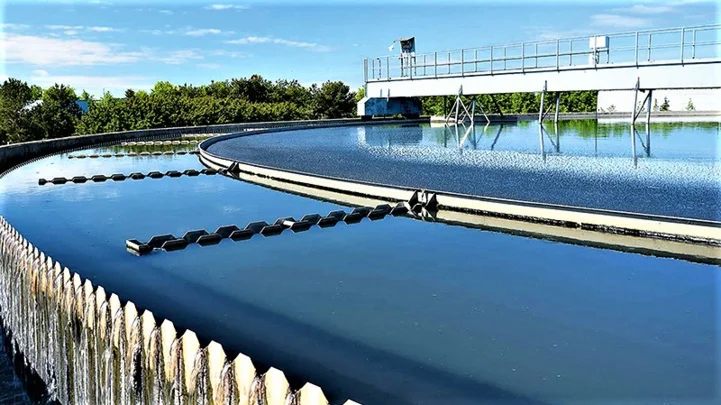
Morocco and Veolia advance discussions on Rabat’s desalination mega-project
French water management giant Veolia has resumed high-level negotiations with Morocco’s Ministry of the Interior regarding the ambitious Rabat desalination plant, a project designed to address the kingdom’s growing water scarcity challenges. The proposed facility, with an annual capacity of 300 million cubic meters, has gained renewed momentum after months of stalled progress.
A strategic water supply solution for Morocco’s capital region
The project aims to deliver 822,000 cubic meters of potable water daily through a public-private partnership, leveraging renewable energy sources to ensure sustainability. Key discussions now center on finalizing the tariff structure, with both parties targeting a cost of 4.5 Moroccan dirhams per cubic meter for the treated water.
Following a period of reduced engagement, officials in Rabat and Paris have re-engaged in talks to advance the project’s development. While no unilateral decisions have been made, financial considerations and climate factors have contributed to the temporary slowdown in negotiations.
Project details and regional impact
Located along Morocco’s Atlantic coast near the capital, the facility will serve as a critical water source for the Rabat-Salé-Kénitra and Fès-Meknès regions. Once operational, it will supply water to approximately 9.3 million residents, significantly easing pressure on existing water resources in these densely populated areas.
The agreement framework was established in late 2024 during a high-profile state visit, outlining Veolia’s responsibilities in design, financing, construction, and 35-year operation of the plant. This long-term commitment ensures consistent water supply while maintaining operational efficiency.
Broader context in Morocco’s water infrastructure expansion
The Rabat desalination initiative coincides with Morocco’s broader push to diversify its water sources amid recurring drought conditions. Recent regional developments include competitive bids from international firms for other major desalination projects, such as the Tanger plant—expected to produce 150 million cubic meters annually by 2028 or 2029. Spanish consortiums Acciona and Cox are among the leading contenders for this contract.
These initiatives underscore Morocco’s commitment to securing long-term water resilience through innovative infrastructure solutions, positioning the country as a leader in sustainable resource management across the Maghreb.