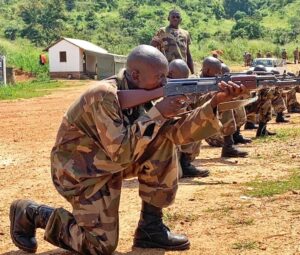

In a significant development in the Central African Republic’s volatile security landscape, reports indicate that a Russian private military contingent has launched a large-scale recruitment drive targeting 1,000 local youths in the northern city of Ndélé. The operation, reportedly conducted by operatives linked to the controversial Wagner Group, signals a strategic expansion of foreign influence in the region through local manpower.
The initiative comes amid ongoing concerns about the Central African Republic’s fragile security situation, where armed groups continue to challenge state authority. Ndélé, a strategic crossroads in the north, has become a focal point for these recruitment efforts, raising questions about the long-term implications for regional stability and governance.
Who are the recruits and what are their roles?
According to local observers, the recruits are primarily young men from Ndélé and surrounding areas, many of whom reportedly lack formal military training. While official details remain scarce, sources suggest they may be integrated into existing security structures under the supervision of Wagner-affiliated advisors. The operation appears designed to bolster local defense capabilities while serving the interests of external actors.
Why is Wagner Group expanding in the Central African Republic?
The Wagner Group’s growing presence in the Central African Republic reflects broader geopolitical dynamics, with the private military company playing an increasingly prominent role in the country’s security sector. Analysts note that such recruitment drives align with Wagner’s strategy of leveraging local forces to achieve operational objectives while minimizing direct accountability for foreign actors. The move also underscores the Central African Republic’s reliance on external security partnerships amid persistent instability.
What does this mean for Ndélé and the Central African Republic?
The recruitment campaign in Ndélé could have far-reaching consequences for the region, including shifts in local power dynamics and potential escalations in violence. Residents and local leaders are closely monitoring the situation, wary of the potential for further destabilization. Meanwhile, the Central African Republic’s government faces mounting pressure to balance its security partnerships with the need to maintain sovereignty and protect civilian populations.
How are local communities reacting?
While some individuals may see the recruitment as an opportunity for employment or security, others express deep concerns about the long-term impact on Ndélé’s social fabric. Community leaders have raised questions about the transparency of the process and the potential for coercion or exploitation. The lack of public information about the initiative has fueled speculation and unease among residents.