SCITI and Reims create Benin’s first sustainable engineering master’s degree
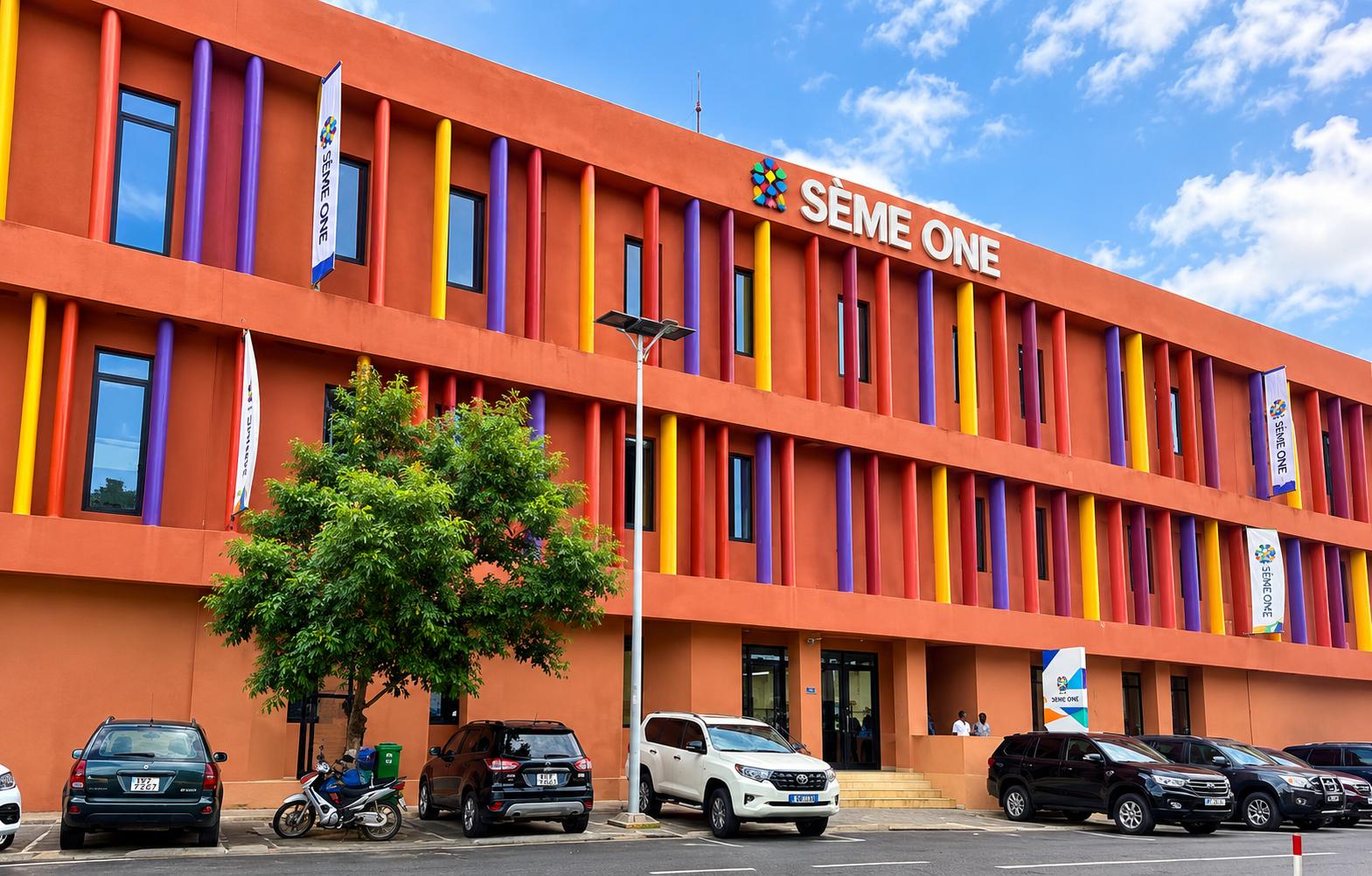
The Sèmè City Institute of Technology (SCITI) and the University of Reims Champagne-Ardenne (URCA) signed a partnership agreement on 15 September 2026 to open a master’s programme in Design Engineering, sustainable engineering track. The convention sets in motion a degree taught on Beninese soil, under a joint academic arrangement between the two institutions.
A first for SCITI
SCITI, the engineering school embedded in Sèmè City, Benin’s national innovation hub, had never delivered a master’s-level programme before this one. The new qualification is the product of cooperation between the Beninese government and the French university, and it ends with an international diploma. Its stated purpose is to train a fresh generation of technical executives inside the country.
What the sustainable engineering track covers
The curriculum stretches across the entire life cycle of products and infrastructure. Students are taught to fold environmental, economic and performance criteria into a project from the earliest theoretical modelling phase.
- Environmental criteria integrated from the design stage
- Economic criteria weighed alongside technical choices
- Performance requirements defined during theoretical modelling
Designers instead of executors
The initiative sits within Benin’s economic and industrial transformation policy. For years, the wider sub-region has imported technology and external expertise for its largest projects, and the government now wants engineers able to build solutions that match local realities.
Industrial zones and West African ambitions
The declared objective is to strengthen the human capital that the country’s industrial zones require, beginning with the Glo-Djigbé Special Economic Zone (GDIZ), and to anchor Benin among West Africa’s technology and innovation hubs.