
Senegal’s justice minister Moussa Sarr faces first major test amid political tensions
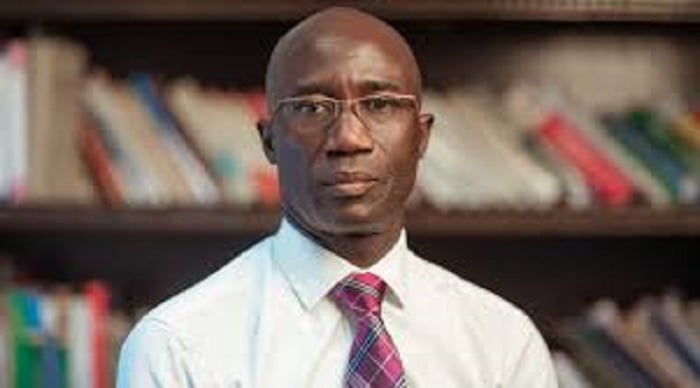
Me Moussa Sarr has been appointed Senegal’s new Minister of Justice in a high-stakes political and judicial climate. His extensive experience as a lawyer and deep knowledge of economic and public law could prove crucial in navigating the challenges ahead.
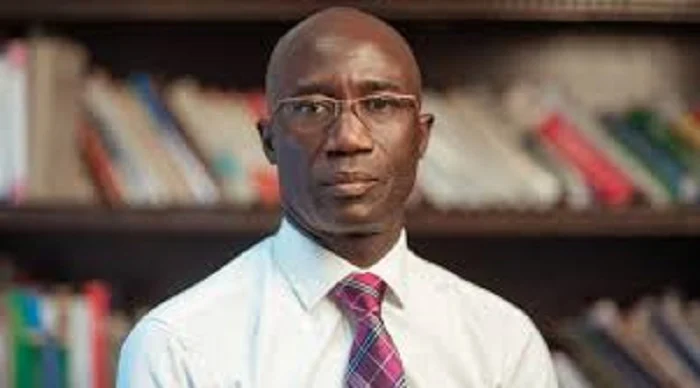
Sarr’s appointment comes at a pivotal moment when accountability demands and sensitive ongoing cases—particularly those stemming from political violence between 2021 and 2024—are pressing issues for the government.
With over two decades of experience at the Senegalese bar, the new Minister of Justice brings a strong background in criminal economic law, banking regulations, and public affairs. His academic contributions through teaching in Dakar’s leading higher education institutions further bolster his credentials for this role.
Critics, however, question whether his appointment will bridge or widen the gap between competing visions for justice reform. Political tensions remain high, particularly between President Bassirou Diomaye Faye and former Prime Minister Ousmane Sonko, whose disagreements over accountability measures have intensified.
Accountability vs. institutional caution: the justice ministry’s balancing act
Two distinct approaches now dominate the executive branch. One faction advocates for swift, stringent sanctions in cases of public fund mismanagement, while another prioritizes adherence to judicial procedures to prevent political interference in legal proceedings.
This divide places the Justice Ministry at the center of a delicate equilibrium—between ensuring transparency and maintaining institutional stability. Among the most pressing files on Sarr’s desk are the unresolved cases tied to political violence from 2021 to 2024, which continue to fuel demands for justice from victims and civil society groups.
Even after the 2024 amnesty law, debates persist over whether additional legal actions or reparative measures are necessary to address these past events.
As Sarr assumes leadership of a pivotal ministry, he faces immense pressure to deliver justice while navigating complex political expectations—where every decision could have far-reaching consequences.