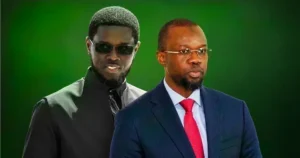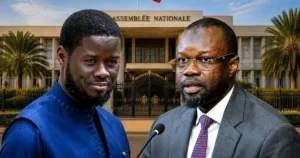

In Senegal, the political arena is buzzing with intense exchanges as two prominent figures—Bassirou Diomaye Faye and Ousmane Sonko—navigate the delicate art of dialogue. Their interactions are shaping the nation’s future, drawing widespread attention from citizens and observers alike.
Seeds of a high-stakes negotiation
At the heart of this political drama lies a series of strategic consultations between the two leaders. Their conversations, though not always public, are critical in defining the direction Senegal will take in the coming months. Each move is meticulously calculated, reflecting their ambitions and the expectations of their supporters.
Their dialogue isn’t just about words; it’s about establishing trust, bridging divides, and fostering unity. With Senegal facing pressing challenges, the outcomes of these exchanges could redefine the country’s political landscape.
The role of public perception
Their every action is scrutinized, every statement dissected by analysts and the public. In a country where political engagement runs deep, the perception of Faye and Sonko’s ability to collaborate is as important as the substance of their discussions. Will they find common ground, or will their differences widen the rift in Senegalese politics?
What’s at stake for Senegal
The stakes couldn’t be higher. Senegal stands at a crossroads, with economic recovery, social cohesion, and governance reforms hanging in the balance. The outcome of these dialogues will influence policies that affect millions. From youth employment to infrastructure development, the decisions made now will resonate for years.
For many Senegalese, the hope is that Faye and Sonko’s collaboration can bring stability and progress. Their ability to work together may set the tone for a new era of cooperation in the nation’s political sphere.
Looking ahead: the next phase
As the dialogue continues, all eyes are on the next steps. Will these leaders rise to the occasion, or will their differences prove too great to overcome? One thing is certain: Senegal’s political future is being written in these very conversations, and the nation is watching closely.
Their journey is a reminder that in politics, words are powerful—but actions speak louder.