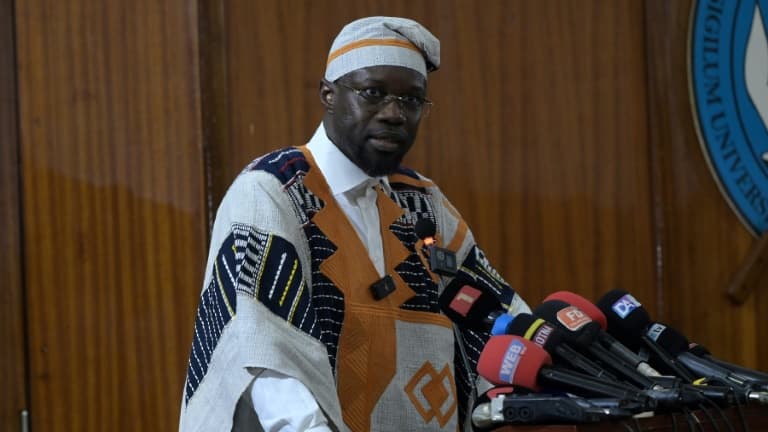

The Senegalese government has recently tightened penalties for same-sex relationships, doubling prison sentences to five to ten years. Prime Minister Ousmane Sonko has now publicly denounced what he describes as a “tyranny” imposed by Western nations attempting to “force homosexuality upon the rest of the world.”
During a parliamentary address on May 22, Sonko rejected any possibility of a moratorium on the enforcement of this controversial legislation. He emphasized that Senegal would not bow to external pressure, particularly from Western countries that he claims seek to impose their values unilaterally.
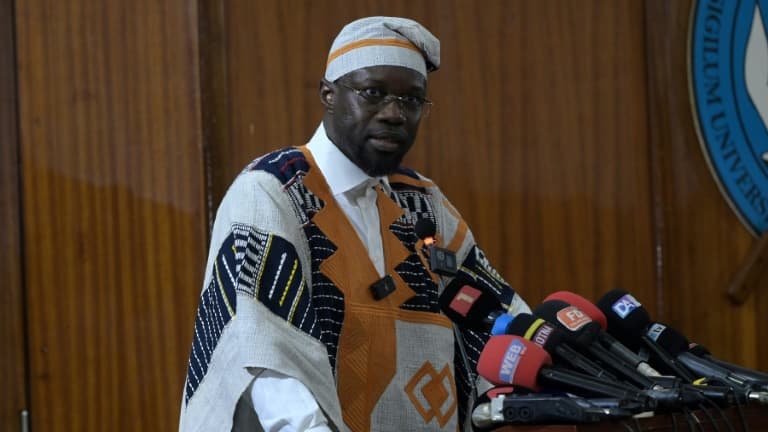
The new law, passed in early March and signed by President Bassirou Diomaye Faye on March 31, reflects growing homophobia in the predominantly Muslim West African nation. It follows a series of arrests linked to alleged same-sex relationships, sparking international criticism, including from the United Nations.
Western pressures met with defiance
Sonko argued that a small group of Western nations, despite internal debates on LGBTQ+ rights, are using their media influence to impose their agenda globally. “There is a form of tyranny at play,” he declared. “We are eight billion people in the world, but a tiny Western elite, despite its own unresolved debates, seeks to dictate moral standards to the rest of humanity. On what authority?”
He went further, stating that Senegal rejects any unsolicited criticism, particularly from France, where same-sex relations are legal. “If they have chosen this path, that is their concern. We do not need or want their lessons,” he asserted.
The prime minister also warned that if further legal reinforcement is deemed necessary, Senegal will not hesitate to act. “If the law must be strengthened, it will be,” he stated firmly.
No moratorium on enforcement
The government’s stance comes in response to a mid-May open letter published in a French newspaper, signed by around thirty African-origin public figures, calling for a moratorium on the law’s application. They cited growing fear, hatred, and violence in Senegal following its passage.
Sonko dismissed these concerns outright. “There will be no moratorium,” he declared. “Certain elites in our society are still burdened by colonial complexes.”
For Sonko and his allies, the law is a long-standing political promise rooted in Senegalese cultural and religious values. The government has framed it as a necessary measure to curb what it describes as the “proliferation” of homosexuality in the country.



