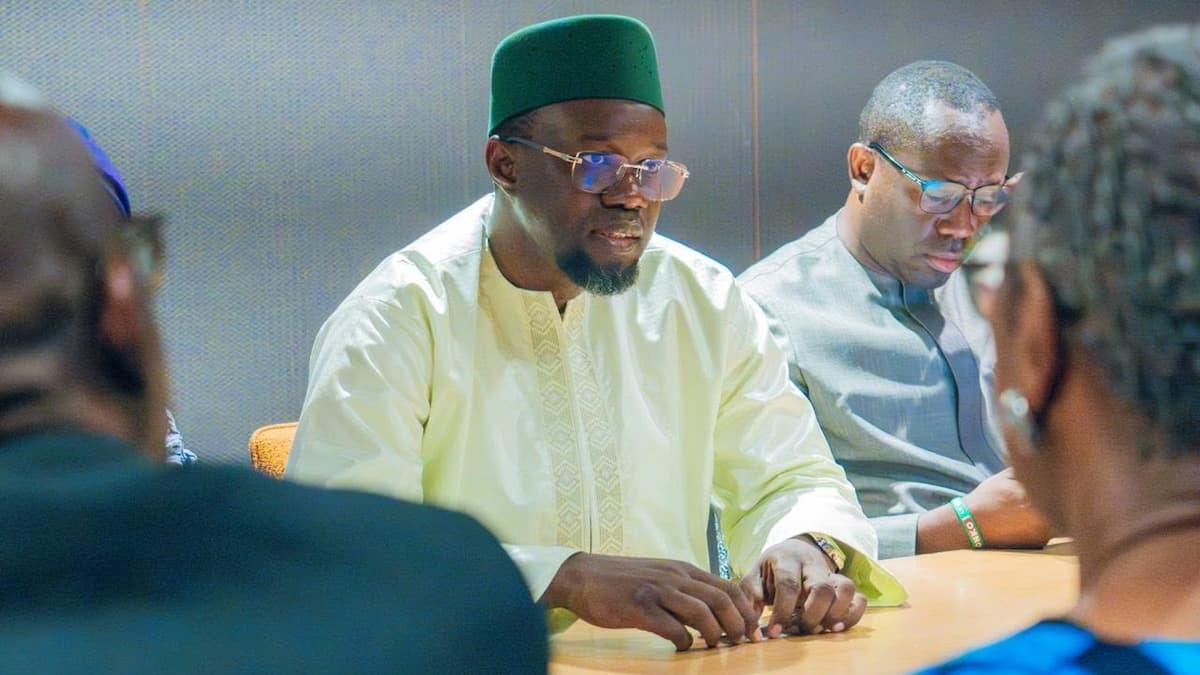

The Supreme Court’s judge for urgent matters has declined jurisdiction in the ongoing dispute surrounding Ousmane Sonko’s parliamentary seat, ruling that the matter falls under the internal affairs of the National Assembly—a sphere the high court refuses to interfere with. This decision follows a petition filed by the Union nationale des indépendants du Sénégal, which challenged the legality of the procedure that allowed the Pastef party leader to reclaim his deputy position before ascending to the presidency of the Assembly.
The latest judicial setback adds to the earlier ruling by the Constitutional Council, which also declined to rule on a similar appeal in June. Eighteen opposition deputies had contested Sonko’s reinstatement, arguing it violated national election regulations, but the Council maintained it lacked authority over disputes unrelated to the electoral process itself. Now, two separate high courts have sidestepped the core of the controversy, leaving the legality of Sonko’s parliamentary return unresolved.
The sharp criticism came swiftly from lawyer Amadou Guèye, who condemned the Supreme Court’s decision as an affront to the rule of law and a breeding ground for legal chaos. His remarks echo the growing frustration among opposition jurists and political figures, who warn of a judicial vacuum threatening to destabilize the constitutional order. Ousmane Sonko himself has framed the repeated appeals as part of a politically motivated smear campaign, alleging his opponents are weaponizing the courts to undermine his legitimacy rather than address substantive legal grievances.
While the urgent motion has been rejected, the broader appeal remains pending, prolonging a state of legal limbo that continues to fuel tensions between Sonko’s parliamentary allies and a determined opposition. For now, the stalemate persists, with no clear resolution in sight despite the flurry of legal challenges launched by his detractors.