The forgotten speech of Hassan II that shaped sino-moroccan ties
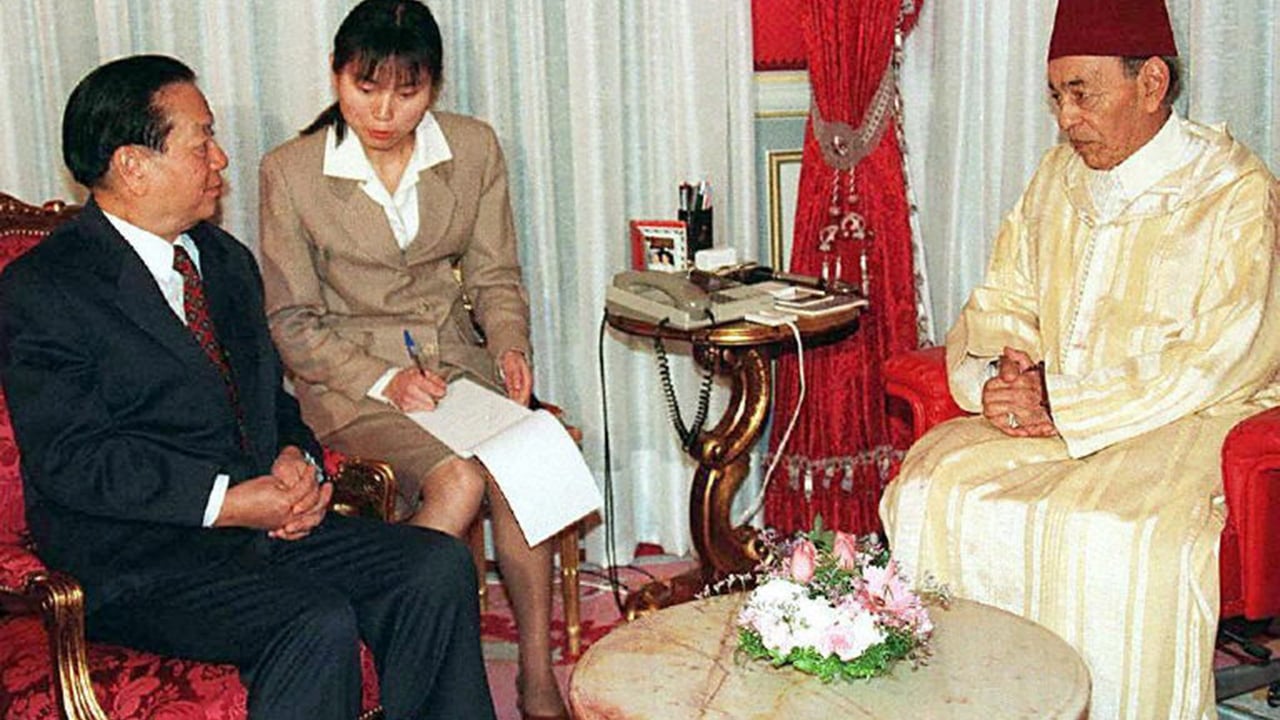
A historic moment in sino-moroccan diplomacy
In the annals of international diplomacy, certain speeches transcend their immediate context to become foundational pillars of bilateral relations. Few instances embody this as vividly as the address delivered by King Hassan II of Morocco at the United Nations in 1960, a discourse that continues to resonate in Beijing’s corridors of power decades later.
The weight of words in global relations
When Hassan II addressed the UN General Assembly on that pivotal day, he was not merely representing Morocco; he was laying the groundwork for what would become one of Africa’s most enduring partnerships with China. The speech, delivered with the precision of a statesman and the foresight of a visionary, outlined a vision of solidarity between nations regardless of geographical distance—a principle that would later define sino-moroccan cooperation.
Decades after those words were spoken, the legacy of Hassan II’s address remains etched in the diplomatic memory of both nations. Today, it stands as a testament to how a single speech can shape the trajectory of international relations for generations.
From Casablanca to Beijing: a partnership cemented in time
The diplomatic warmth between Rabat and Beijing found its most tangible expression in 2016, when King Mohammed VI’s state visit to China marked the formalization of a strategic partnership between the two nations. This milestone, celebrated a decade ago, was not an isolated event but the culmination of decades of mutual respect and collaboration that began with Hassan II’s groundbreaking UN address.
Symbolic gestures that built lasting bonds
The significance of Hassan II’s 1960 speech is magnified when viewed through the lens of contemporary sino-moroccan relations. His emphasis on south-south cooperation and non-alignment during the Cold War era aligned perfectly with China’s own diplomatic principles at the time. This alignment fostered an environment where trade, infrastructure projects, and cultural exchanges could flourish without the constraints of geopolitical tensions.
In Casablanca, in 2024, the echoes of that 1960 speech were palpable as Prince Moulay Hassan welcomed Chinese President Xi Jinping. The symbolism was unmistakable: a direct lineage connecting the vision of Hassan II to the robust partnership enjoyed by his son, Mohammed VI, and the current leadership in Beijing.
Why this speech still matters today
The enduring relevance of Hassan II’s address lies in its timeless message: diplomacy, when rooted in mutual respect and shared vision, can outlast generations. For Morocco and China, this principle has translated into tangible outcomes—from the Belt and Road Initiative projects in Morocco to robust trade agreements that benefit both nations.
In an era where global alliances are often measured in fleeting moments, the sino-moroccan relationship stands as a rare example of stability and long-term commitment. The speech that began it all in 1960 remains a cornerstone of this enduring partnership, a reminder that words, when chosen carefully, can shape the future.