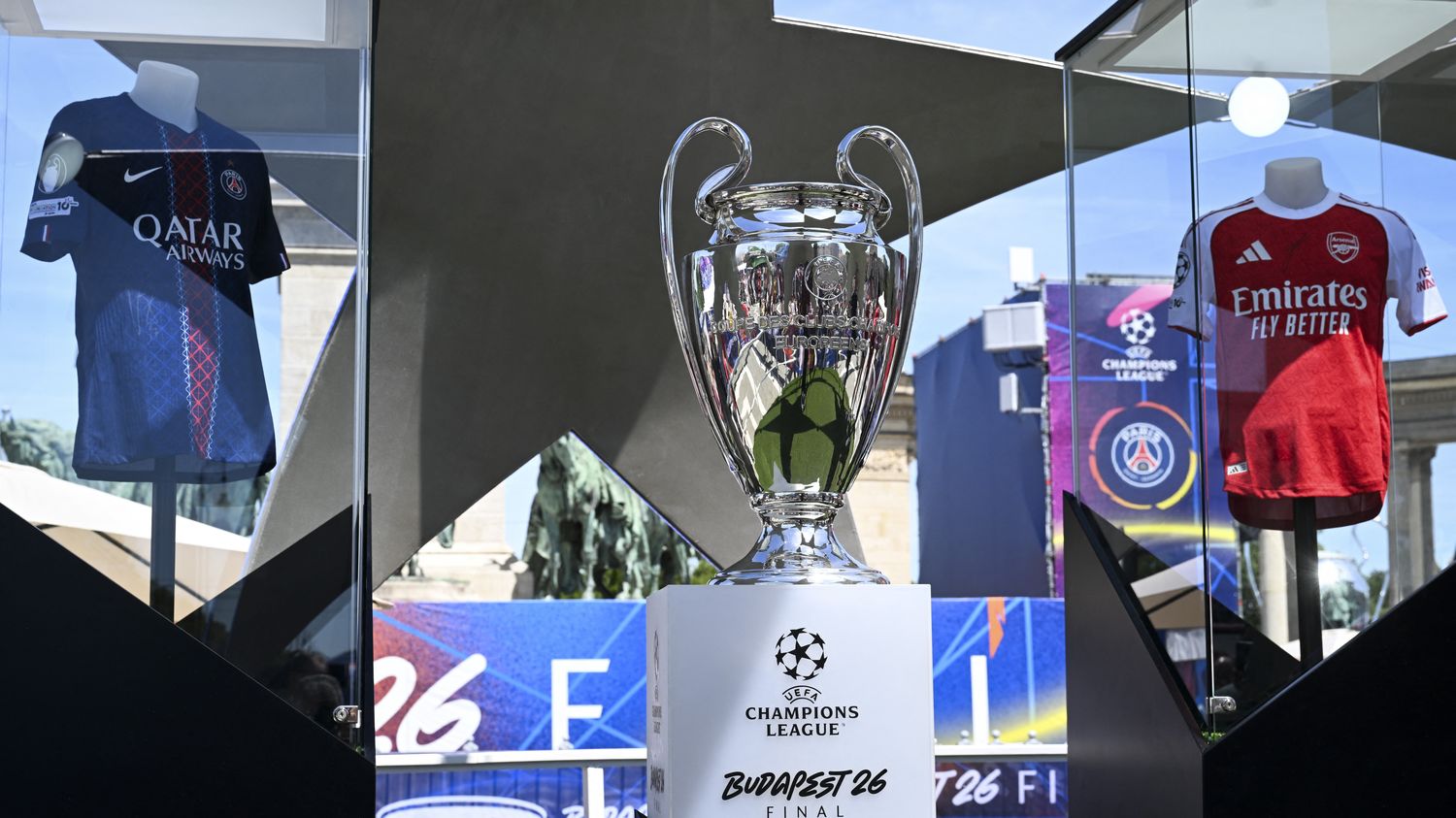

An unusual shift in schedule. The UEFA Champions League final between Paris Saint-Germain and Arsenal, set for Saturday, June 30 in Budapest, will commence at 6:00 PM instead of the traditional 9:00 PM kickoff time. This decision marks a significant departure from past finals, raising questions about its purpose and implications.
The change, which takes effect immediately, was officially announced on August 28. While it may have initially flown under the radar, its impact will be felt by clubs, organizers, and fans alike. The Union of European Football Associations (UEFA) has framed this adjustment as a strategic move to enhance the experience for all stakeholders involved.
why the early kickoff?
UEFA’s rationale centers on three key areas: logistics, commercial appeal, and accessibility. For participating teams, a 6:00 PM start means less strain after a grueling season, allowing players to conclude their commitments earlier. The shift also simplifies operational logistics around the stadium, benefiting both clubs and event organizers.
boosting local economies
For supporters, the earlier timeframe offers multiple advantages. Fans will have more daylight hours to celebrate in bars, restaurants, and public spaces if their team triumphs. UEFA explicitly aims to stimulate the host city’s economy by encouraging extended post-match festivities. Additionally, the schedule change makes it easier for families across Europe to watch together, especially younger viewers who typically struggle with late-night viewing.
The adjustment also caters to growing football audiences in Asia, where late-night finals were previously inaccessible for many fans. With the new 6:00 PM start, Asian viewers can enjoy the climax of the tournament without disrupting their schedules.
sustainable impact on broadcasting and media
Broadcast partners and media outlets will benefit from the earlier time slot as well. Extended post-match analysis and debates can now take place in primetime slots, enriching the viewing experience. This change also aligns with UEFA’s broader strategy to globalize the Champions League, making it more inclusive and family-friendly.
The decision reflects a forward-thinking approach to modernizing one of football’s most prestigious events, balancing tradition with innovation to serve a diverse, global audience.



