Abdoulaye Koné’s passing sparks national reflection: Ivorians weigh the legacy and what comes next
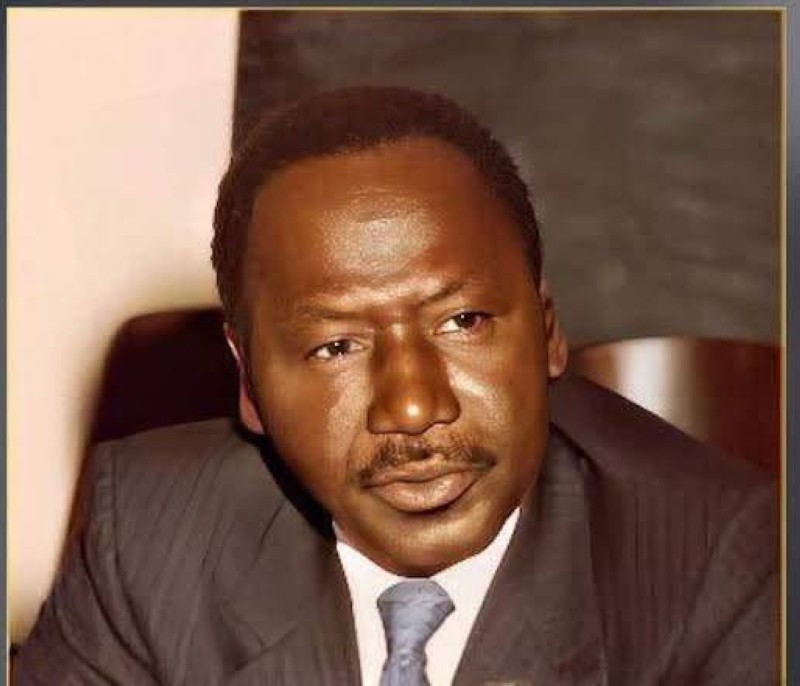
Abdoulaye Koné, who served as Economy and Finance Minister under President Félix Houphouët-Boigny, died on Saturday, September 19, 2026, at the age of 91. His death has set off a wave of reactions across Côte d’Ivoire, with public figures and ordinary citizens debating what his long career means for the country’s economic memory and for the regional institutions he helped build.
How Côte d’Ivoire is reacting to the loss of a seasoned public servant
President Alassane Ouattara led the tributes, describing the late economist as a “great servant of the state” and a man of “experience and conviction” whose work contributed to the nation’s economic and social development. But the president’s message went further, pointing to Koné’s role in strengthening the West African Economic and Monetary Union (UEMOA) — a legacy that gives his passing a regional dimension.
Beyond the official statements, the reaction has been deeply personal. Ouattara revealed that Koné had been “a genuine source of inspiration and unwavering support” in his own journey, a connection that dates back to when the future president worked at the Central Bank of West African States (BCEAO). That admission has fueled public discussion about the quiet influence Koné wielded behind the scenes for decades.
From budget director to government minister: the arc of a career
Before taking the helm at the Ministry of Economy and Finance, Koné held several key positions, including Director of the Budget and Secretary of State for the Budget. These were roles at the very heart of the state’s financial machinery, where budget balances and public spending priorities are decided.
His time in government placed him at the center of a period when Côte d’Ivoire was working to solidify the foundations of its economic development and deepen its integration into regional dynamics. For many observers, his career reflects a generation of senior officials who helped steer the country through its early decades of independence.
What his role in UEMOA means for the region’s economic future
Koné’s involvement in the construction of the West African economic space is now a focal point of the debate over his legacy. Under Houphouët-Boigny, he worked to consolidate UEMOA, helping to shape the frameworks for economic and monetary cooperation among West African states.
That regional dimension sets him apart. It also raises questions about who will carry forward the institutional memory he embodied — and whether the next generation of Ivorian and West African leaders can draw on the same depth of experience.
The road ahead: preserving a legacy that spans generations
With Koné’s death, a part of Côte d’Ivoire’s administrative and economic memory slips further into the past. Over several decades, he witnessed the transformations of the Ivorian state, its periods of economic consolidation and the shifts in its regional environment. From the Budget Directorate to the government and then to roles tied to regional economic cooperation, his path mirrors a chapter in the history of the country’s financial institutions.
President Ouattara extended his condolences to Koné’s wife, children, family and all his loved ones. In the days since, the conversation has turned to how best to honor a man who spent decades in the machinery of the Republic — often out of the spotlight.
At 91, Abdoulaye Koné has left behind an administrative body of work, a wealth of experience and a memory that Côte d’Ivoire must now pass on to generations who never knew this quiet architect of the nation’s economic foundations.