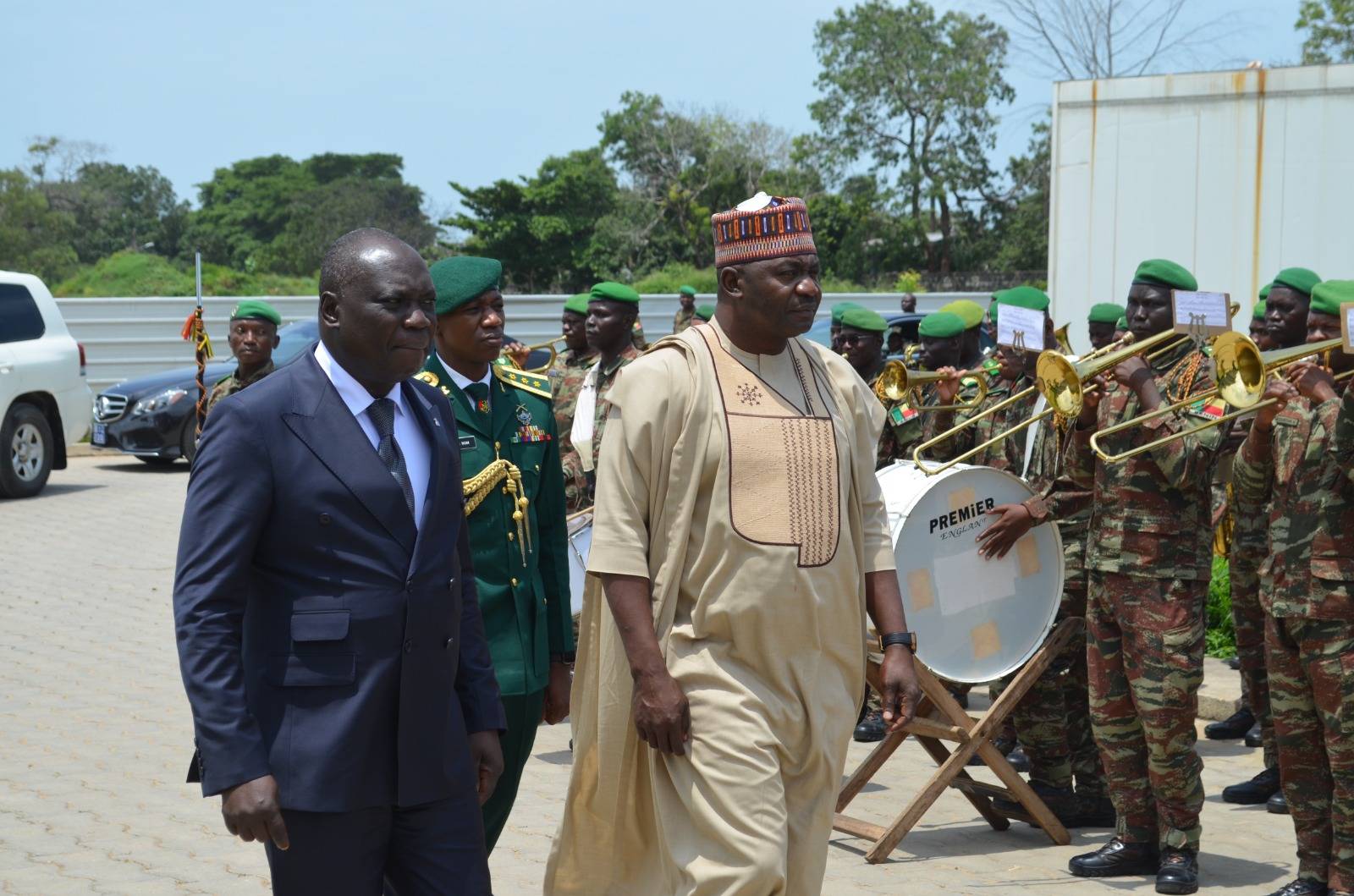

The escalating threat posed by armed groups in West Africa has pushed Benin and Nigeria to deepen their military collaboration. On August 4, 2026, a high-level Nigerian military delegation led by Defense Minister General Christopher Gwabin Musa arrived in Cotonou for strategic talks with his Beninese counterpart, Gildas Agonkan. This meeting marks a pivotal moment in forging a stronger, more practical sub-regional alliance.
Uniting against a shared menace: the terror threat looms large
The security landscape across the Sahel and Gulf of Guinea has grown increasingly volatile. Over recent years, non-state armed groups with ties to Al-Qaeda and the Islamic State have expanded their reach southward, posing a direct risk to coastal nations. Northern Benin, bordering Burkina Faso and Niger, faces persistent pressure, while Nigeria continues its multi-front struggle against Boko Haram, ISWAP, and armed banditry.
During the visit, both defense ministers acknowledged a harsh reality: isolated national responses are no longer viable. General Musa emphasized that porous borders provide terrorist groups with critical advantages. He stressed the need for a unified, region-wide counterterrorism strategy involving Benin, Nigeria, Niger, Burkina Faso, and Mali. Despite political and diplomatic challenges across the Sahel, the immediate security crisis demands seamless military communication and coordination.
From diplomacy to action: building a unified defense front
Before formal discussions at the Ministry of Defense, the Nigerian delegation visited Togbin military barracks to engage with troops deployed for Benin’s 66th Independence Day celebrations. This symbolic presence underscored the deep historical, geographical, and cultural ties binding the two nations.
The working session at the ministry focused on transforming long-standing diplomatic solidarity into an operational shield capable of curbing jihadist advances. The ministers explored ways to enhance intelligence sharing, coordinate border patrols, and improve interoperability between their armed forces. The goal is to maintain relentless cross-border pressure, denying terrorist fighters safe havens on either side of the frontier. This collaboration highlights a fundamental truth: Africa’s solutions to its crises must emerge from within, leveraging the expertise of local military forces.
Strengthening community resilience: the citizen-army partnership
Beyond tactical and logistical considerations, the Cotonou meeting highlighted a crucial yet often overlooked dimension of counterterrorism: civilian engagement. Terrorism thrives in environments marked by isolation and economic insecurity, particularly in rural areas. A purely military response, therefore, is insufficient.
General Musa urged Beninese and Nigerian citizens to remain vigilant and actively support their defense and security forces. Timely reporting of suspicious activities is vital, as civilian cooperation ensures critical intelligence reaches the right hands. Community awareness campaigns are now the first line of defense, preventing both ideological infiltration and operational infiltration by armed groups.
A regional anchor for stability
The enhanced security coordination between Benin and Nigeria extends far beyond bilateral ties. It serves as a cornerstone for peace across West Africa. By securing their shared border and streamlining cooperation, Cotonou and Abuja send a powerful message to criminal networks.
Economic development, trade integration, and public well-being are inextricably linked to regional stability. By reaffirming their joint commitment in early August 2026, Benin and Nigeria have demonstrated their readiness to fully embrace their role as security bulwarks against the spread of violent extremism. The roadmap is clear: translate words into action on the ground to safeguard a peaceful future for generations to come.