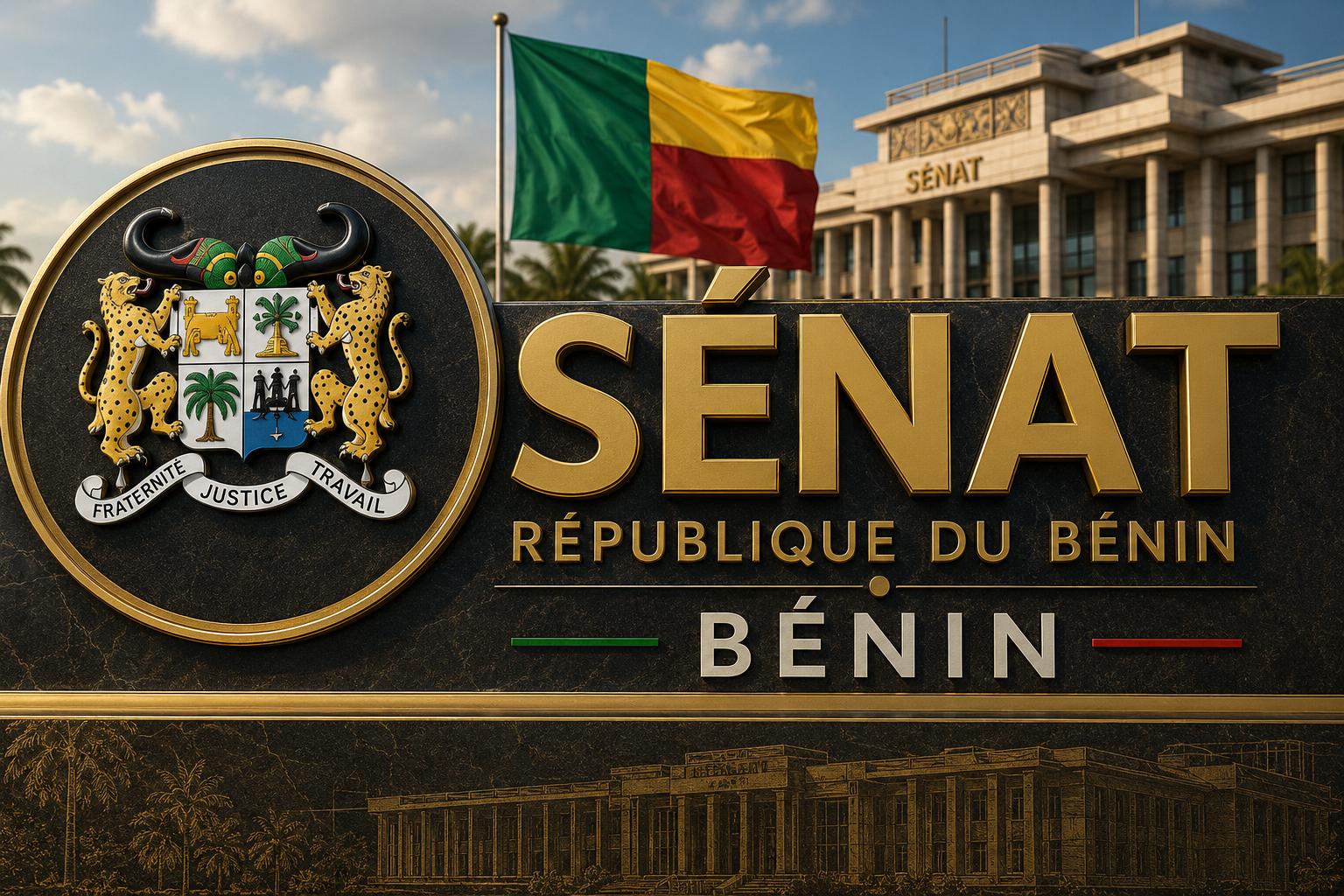

Since the swearing-in of the upper chamber of Parliament and the election of former president Patrice Talon as its speaker, Bénin’s digital landscape has buzzed with speculation. Some claim this move signals a quiet return to influence, but a closer look at the country’s constitutional framework reveals a far different reality: a clear separation of powers where the Executive maintains full control while the Legislative branch grows stronger.
Understanding the Executive’s Unchanged Authority
The heart of the matter lies in the Constitution itself. The elected head of state retains full executive authority, exercising it through the prime minister, cabinet, and public administration. The president appoints ministers, sets policy direction, commands the armed forces, and oversees national projects—powers that cannot be shared or delegated through a legislative position.
Patrice Talon’s transition from the presidency to the Senate presidency does not alter this balance. His new role is strictly legislative, with no executive functions. The Senate does not draft decrees, approve spending, or influence cabinet decisions. Its mandate is to review legislation, provide oversight, and ensure laws align with national interests—functions entirely distinct from the daily operations of government.
Why the Senate Is Not a Second Government
A common misconception equates the Senate’s speaker with a co-decision maker in governance. This view ignores the legal distinction between the two branches. The president of the Senate does not participate in cabinet meetings, does not influence fiscal policy beyond legislative debate, and does not share in the president’s constitutional duties. The Senate’s strength lies in its role as a deliberative body, not an executive one.
This separation is reinforced by Bénin’s presidential system, which differs sharply from parliamentary models in neighboring Togo. In Bénin, the head of state derives legitimacy directly from voters and retains exclusive executive powers. The Senate’s creation simply adds a layer of legislative review—it does not dilute presidential authority or shift governance toward a parliamentary structure.
The Senate as a Pillar of Democratic Maturity
The upper chamber is designed to bring wisdom and stability to national policymaking. Composed of former senior officials, seasoned politicians, and qualified experts, it serves as a space for measured debate and constitutional reflection. In a political climate often driven by electoral passions, the Senate provides a moderating influence, ensuring laws are scrutinized with care and national unity is preserved.
For Patrice Talon, leading the Senate represents a commitment to institutional memory and long-term governance—free from the demands of executive management. His role is advisory, ensuring continuity in policy direction while allowing the current president to steer the nation’s course without interference.
A Clear Step Toward Institutional Strength
The introduction of the Senate marks a significant milestone in Bénin’s democratic evolution. Far from blurring the lines of power, it clarifies them: the president leads the Executive, the Senate shapes legislation, and both institutions operate within a framework of mutual respect and constitutional discipline. This clarity fosters public trust and encourages more informed civic discourse.
Rather than a hidden power grab, the Senate’s creation reinforces the rule of law and deepens the country’s democratic foundations. The separation of powers remains intact, and Bénin’s political future is shaped by institutions—not personalities.