Benin’s 1,422 chance equality cards spark debate on disability inclusion and next steps
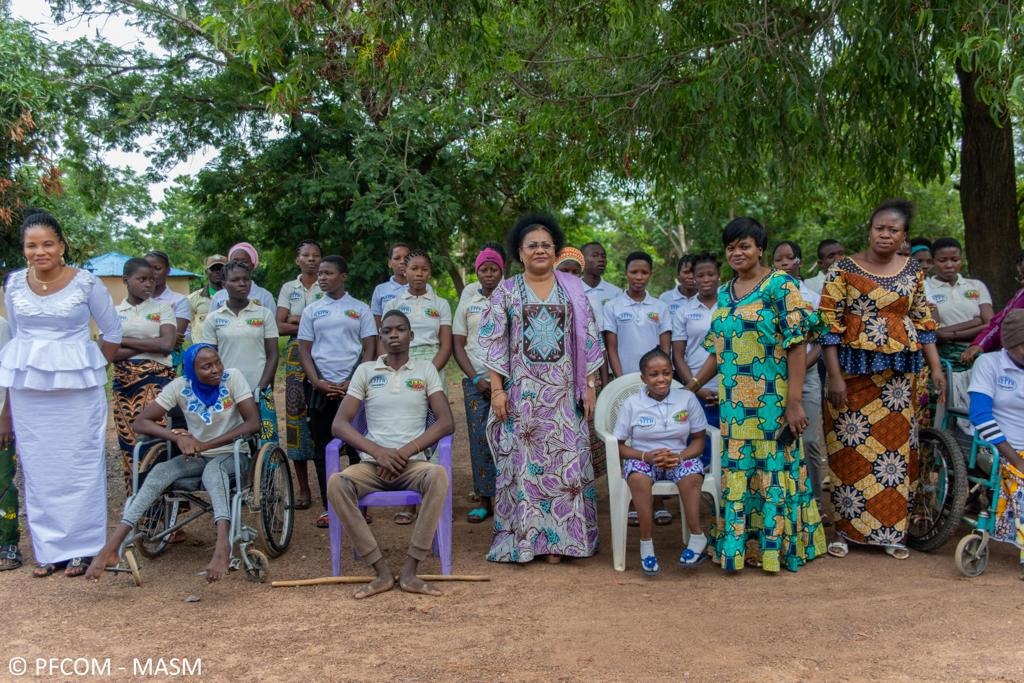
The Beninese government has taken another significant step in its push for social equity and protection. Social Affairs and Microfinance Minister Véronique Tognifodé has officially handed over 1,422 new chance equality cards to persons with disabilities. This latest batch brings the total number of cards produced by the National Agency for the Identification of Persons (ANIP) and delivered to the ministry for gradual distribution across the country to over 6,100.
A key to preferential rights and public services
Established under the law on the protection and promotion of the rights of persons with disabilities in Benin, the chance equality card is far more than a simple administrative ID. It serves as a major legal and social tool designed to guarantee priority and preferential access to a range of essential services:
- Healthcare: Preferential pricing and free access to certain specific treatments or orthopedic devices in public health facilities.
- Education and training: Exemption or reduction of tuition fees in public institutions and priority access to scholarships and vocational training.
- Transport and employment: Easier access to public transport and incentives for socio-professional integration in both the public and private sectors.
During the ceremony, Minister Tognifodé reiterated that this initiative aligns with the government’s vision of making vulnerable people the true “privileged of the Republic,” breaking down barriers of stigma and economic exclusion.
Data reliability and nationwide rollout
The issuance process relies on rigorous traceability managed in synergy with ANIP and the network of One-Stop Social Protection Centers (GUPS) deployed in municipalities. Each applicant undergoes a medical evaluation by state-approved doctors to formally establish the disability rate and nature before the card is issued.
Representing beneficiaries, the Federation of Associations of Persons with Disabilities of Benin (FAPHB) welcomed the program’s continuity while urging families and eligible individuals to complete procedures at GUPS to claim their rights. ANIP and the Ministry of Social Affairs are continuing distribution operations across the country’s 12 departments to cover thousands of files still under review.
Reactions and what lies ahead
The distribution of these 1,422 cards has sparked a mix of hope and scrutiny. While many beneficiaries and advocacy groups have praised the government’s commitment, questions remain about the practical implementation of the promised benefits. Some recipients have reported difficulties in accessing preferential services, pointing to a gap between policy and on-the-ground reality. The FAPHB has called for stronger monitoring to ensure that service providers honor the card’s provisions.
Looking forward, the government faces the challenge of scaling up the program to reach all eligible persons with disabilities. With thousands of applications still pending, the efficiency of the GUPS network and the speed of medical evaluations will be critical. Additionally, awareness campaigns are needed to inform both cardholders and service providers about the card’s entitlements. As Benin continues its journey toward inclusive development, the success of this initiative will depend on sustained political will, adequate funding, and active participation from all stakeholders.