
Boni Yayi to join Benin’s senate as historic institution takes shape
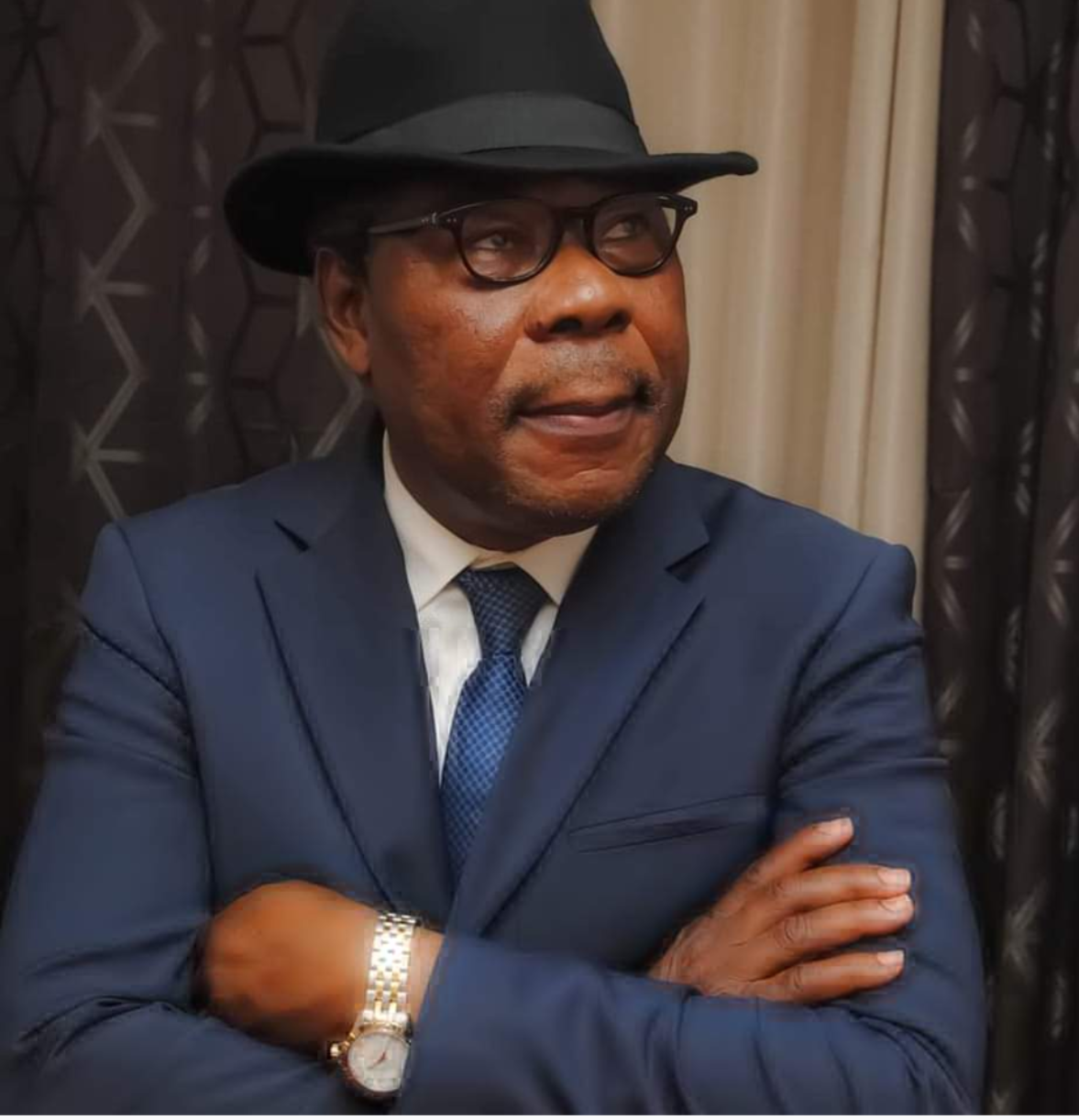
In an unexpected turn of events, former Beninese President Boni Yayi has announced his decision to take a seat in the newly established Senate, set to be officially inaugurated in Porto-Novo on July 30, 2026. This move comes despite his earlier vocal opposition to the creation of this upper chamber during the 2025 constitutional revision. While he had once dismissed the Senate as unnecessary, Yayi now views it as a crucial platform for fostering national dialogue, peace, and republican cohesion.
The announcement, delivered through a statement on his official Meta page, has sent shockwaves through Benin’s political landscape. Boni Yayi, who served as President from 2006 to 2016, framed his decision as a constitutional obligation rather than a personal ambition. « My intention is to exercise my right as a senator to contribute to the ideals of our shared nation. I am not seeking this role; it is the Constitution that calls for it, » he stated, emphasizing that his participation stems strictly from legal provisions. He stressed that the Senate should no longer be seen through the lens of past political disputes but as an institutional space for constructive dialogue and national reconciliation.
To grasp the significance of Yayi’s decision, it’s essential to understand the origins of Benin’s bicameral parliament. The 2025 constitutional revision, championed by President Patrice Talon, introduced the Senate as part of a broader effort to modernize the country’s governance. The upper chamber is designed to balance legislative action by providing a more reflective space for lawmakers to scrutinize bills with the necessary maturity and foresight. It also aims to amplify the voices of local communities and traditional leaders, ensuring a more balanced and inclusive approach to governance. Additionally, the Senate offers a platform for former heads of state to contribute their institutional memory and experience to national decision-making, reinforcing long-term stability and consensus-building.
The timing of the Senate’s creation is particularly strategic, given the complex security and economic challenges facing West Africa. By establishing this second chamber, Benin is doubling down on its reputation as a bastion of democratic resilience. The Senate is envisioned as a stabilizing force, capable of preempting sociopolitical tensions before they escalate into broader crises. The inclusion of historical political figures like Yayi ensures that critical national issues—from counterterrorism efforts in the north to major infrastructure projects—are debated through a transpartisan lens, free from the polarizing effects of partisan politics.
Analysts see Yayi’s acceptance of this constitutional mandate as a powerful signal to both the political class and the country’s youth. By choosing to serve in the Senate, he underscores the primacy of institutional duty over partisan divides. With the official swearing-in ceremony in Porto-Novo just over a year away, anticipation is building. The sight of Yayi taking his oath or occupying his seat alongside other national leaders is poised to become a defining moment in Benin’s contemporary political history. This convergence of opposing forces within the Senate exemplifies the dynamism of Benin’s democratic model, proving that institutional reforms can be transformed into opportunities for dialogue and progress.
In embracing his role in the Senate, Yayi aligns with the spirit of President Talon’s constitutional vision: uniting the nation’s living forces and historical legacy to tackle its most pressing challenges. Far from being a mere legislative body, the Beninese Senate is emerging as a cornerstone of national cohesion. When it convenes on July 30, 2026, it will mark the beginning of a new era where dialogue, peace, and economic development take precedence over political squabbles. Benin marches forward, united and resolute, toward a promising future.