
Burkina Faso’s Ibrahim Traoré accused of running digital militia to silence journalists
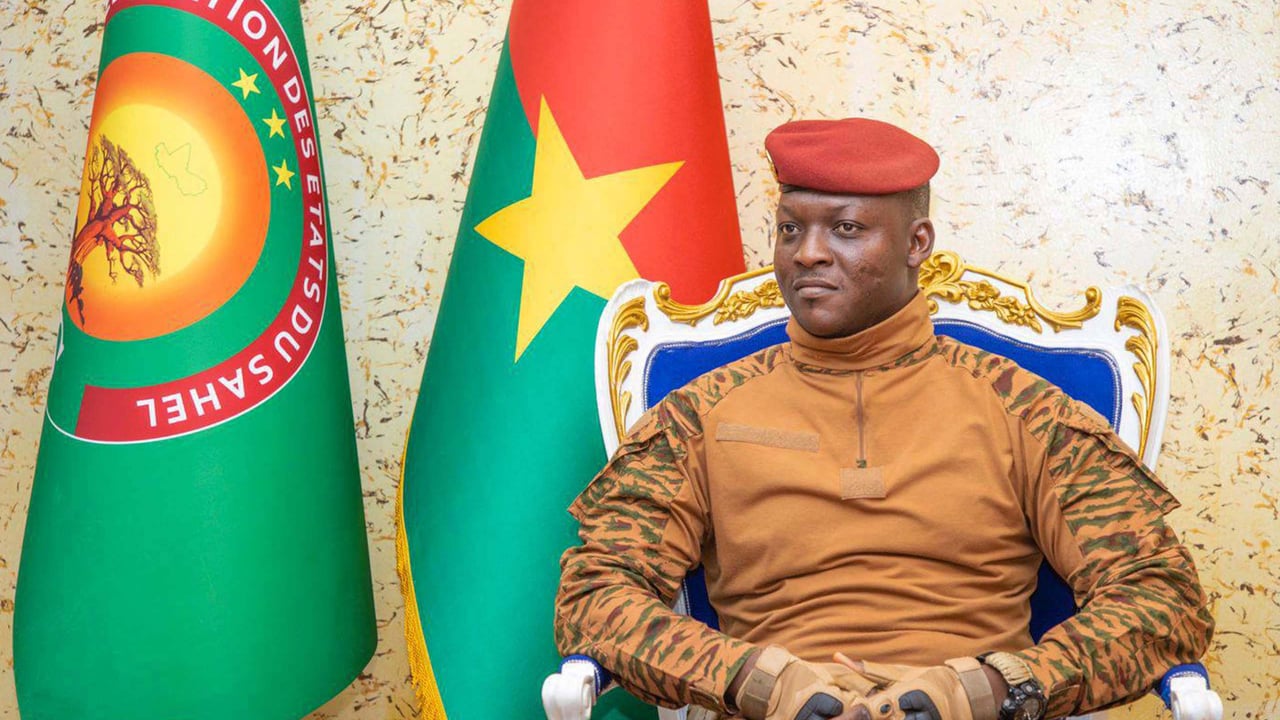

In Burkina Faso, a prominent press freedom watchdog has accused Captain Ibrahim Traoré of deploying a digital militia to systematically target journalists covering sensitive political issues. The allegations, detailed in a recent report, suggest a coordinated effort to suppress critical voices in the West African nation.
How the digital militia operates
The report outlines a multi-pronged strategy employed by this shadowy network. According to investigators, the group leverages social media platforms to spread disinformation campaigns against journalists who publish content deemed unfavorable to the current administration. This includes coordinated hate speech campaigns, doxxing attempts, and coordinated attacks on professional credibility.
Key tactics identified include:
- Fake accounts spreading fabricated narratives about journalists, often with inflammatory language designed to incite online harassment;
- Coordinated bot networks amplifying defamatory content to ensure maximum visibility;
- Legal intimidation through the misuse of defamation laws to pressure independent media outlets into self-censorship.
The impact on press freedom in Burkina Faso
The emergence of this digital militia has raised serious concerns about the shrinking space for free expression in Burkina Faso. Journalists reporting on human rights abuses, security failures, or political opposition now face heightened risks of harassment, both online and offline. Several media professionals have reported receiving death threats following critical coverage of government policies.
The watchdog group behind the report emphasizes that this strategy mirrors tactics seen in other conflict-ridden regions of the Sahel, where digital warfare has become a tool to silence dissent. The situation in Burkina Faso appears to be escalating, with growing reports of journalists being forced to abandon investigative reporting under duress.
Government response and international scrutiny
While authorities in Ouagadougou have not publicly addressed these specific allegations, the timing coincides with broader concerns over democratic backsliding in the region. International observers have expressed alarm over the increasing use of digital repression tools to control public narratives.
As the crisis deepens, the plight of journalists in Burkina Faso serves as a stark reminder of the challenges facing press freedom in the Sahel. The digital battlefield is becoming as critical as the physical one in shaping the future of governance and dissent in the country.