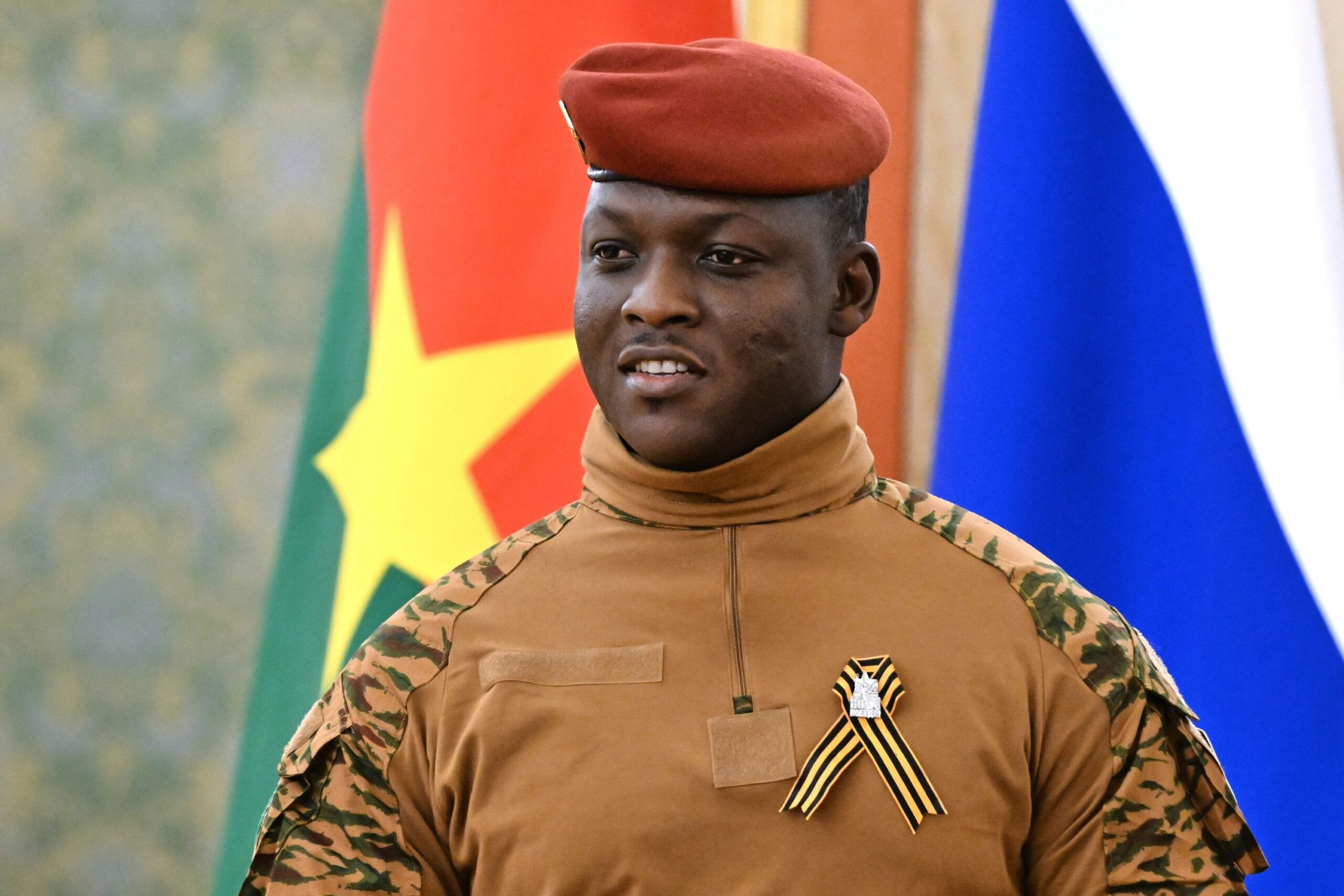

In a nationally televised address, the head of state of Burkina Faso, Captain Ibrahim Traoré, openly addressed a centuries-old issue that has long remained unspoken in public discourse: the historical enslavement of African populations by Arab powers. The remarks, delivered during a pivotal moment for the nation, have ignited intense debate across the Muslim world.
The president’s statement marks a significant departure from diplomatic norms, as he directly confronted a taboo topic that has shaped the collective memory of many African societies. While acknowledging the historical magnitude of the issue, Traoré emphasized the urgent need to address its modern-day implications, particularly the rise of radical interpretations of Islam that continue to exploit vulnerable communities.
Traoré’s remarks spark regional and global reactions
The president’s speech has resonated far beyond Burkina Faso’s borders, prompting responses from religious leaders, scholars, and governments across Africa and the Middle East. Critics argue that while the historical reality of Arab-led slavery cannot be denied, its contemporary relevance requires careful contextualization. Supporters, however, praise Traoré for his courage in breaking a long-standing silence and fostering much-needed conversations about historical justice.
Historical context and modern implications
Traoré’s address did not merely dwell on the past but drew clear parallels with present-day challenges. He highlighted how certain interpretations of Islam have, over time, perpetuated cycles of oppression and marginalization, particularly in regions already grappling with instability. By linking historical grievances to current security threats, the president underscored the urgency of addressing both the legacy and the ongoing manifestations of these issues.
The speech also served as a reminder of the complex interplay between history, religion, and governance in the Sahel region. For decades, communities in Burkina Faso and neighboring countries have faced the dual burdens of historical injustices and contemporary conflicts fueled by extremist ideologies. Traoré’s intervention has thrust these interconnected challenges into the spotlight, challenging both local and international stakeholders to confront uncomfortable truths.
A call for reflection and action
While the president’s words have been met with both support and skepticism, they have undeniably sparked a necessary dialogue. Many observers see this as an opportunity to reassess how historical narratives are taught, remembered, and used to shape modern policies. Whether through educational reforms, interfaith initiatives, or broader societal discussions, the call for reflection extends beyond Burkina Faso’s borders, resonating with communities across Africa and the diaspora.
As the debate continues, one thing remains clear: Traoré’s address has opened a door that can no longer be closed. The challenge now lies in turning this moment of reckoning into tangible actions that address both historical injustices and the pressing security concerns of today.