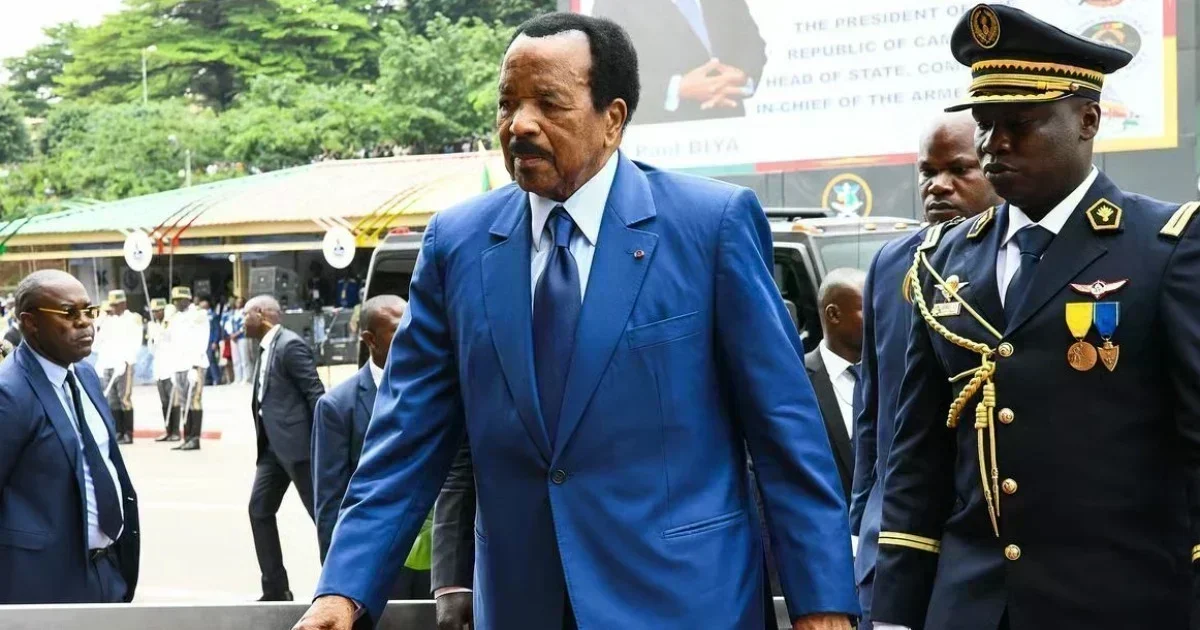

Cameroon military reshuffle as president Biya remains abroad
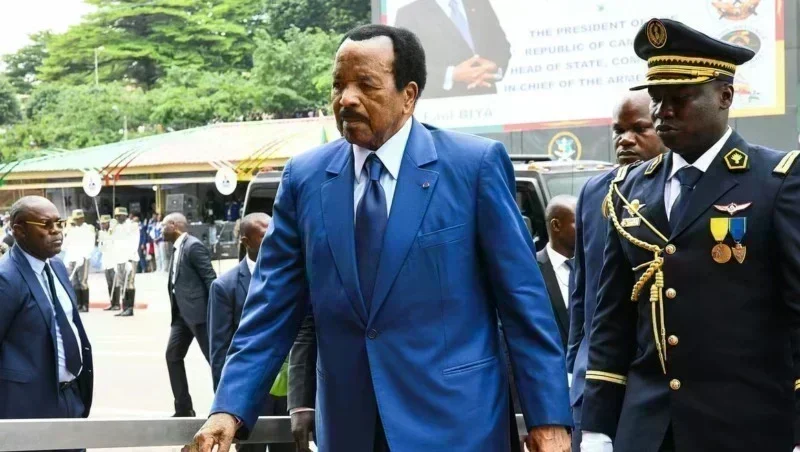
A presidential decree issued on August 3 has reshaped Cameroon’s military leadership, appointing four generals to key security positions during President Paul Biya’s prolonged absence from the country.
Key military appointments amid presidential absence
Among the newly appointed officers is General Raymond Jean Charles Beko’o Abondo, who has taken command of the presidential guard—a critical role in safeguarding the head of state. This marks the first time a general has been assigned to this position, underscoring a strategic reinforcement of Cameroon’s top-tier security apparatus.
The decree also elevates General Ebaka Hypolite to the dual role of Major General of the Armed Forces and Major General of the Army. Now 73, General Ebaka retains his position within the ground forces while assuming broader responsibilities across Cameroon’s defense hierarchy.
Structural changes in Cameroon’s defense leadership
General Ebaka now serves as the second-highest-ranking official in Cameroon’s military, reporting directly to Chief of Staff General René Claude Meka. These adjustments reflect a deliberate effort to consolidate control within the armed forces during a period of uncertainty.
Unanswered questions over President Biya’s prolonged absence
President Biya, aged 93 and in power since 1982, has been away from Cameroon since June 7, reportedly on a private visit to Europe. The government has dismissed concerns about his health, asserting that his return is imminent.
However, his extended absence has fueled speculation and criticism, particularly from opposition figures who describe the situation as a leadership vacuum and warn of a country operating in autopilot mode. Calls for the appointment of a vice president and a new government have grown louder in recent weeks.
Security reshuffle amid national debate
The timing of these military appointments—amid ongoing debates about governance and stability—highlights the government’s focus on maintaining order. With no clear successor designated, the reshuffle suggests an attempt to stabilize the chain of command in anticipation of further political developments.