Cameroon’s political network under scrutiny
Unfolding political dynamics in Cameroon
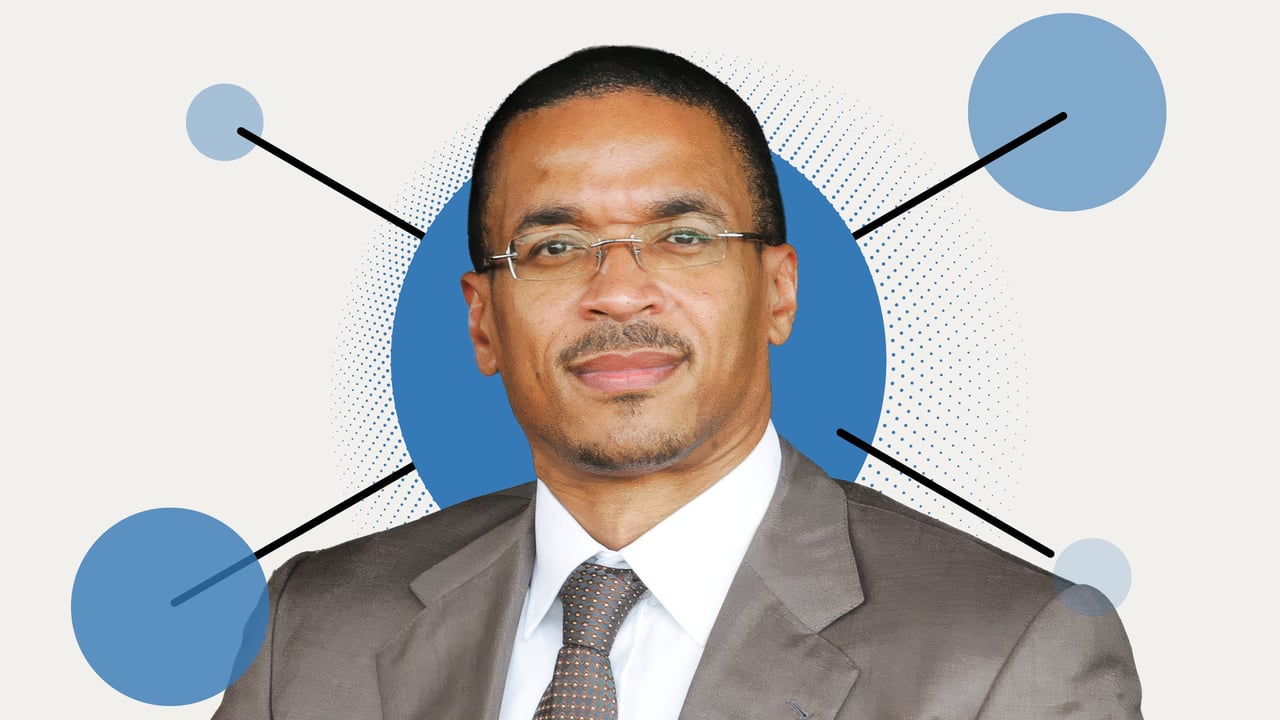
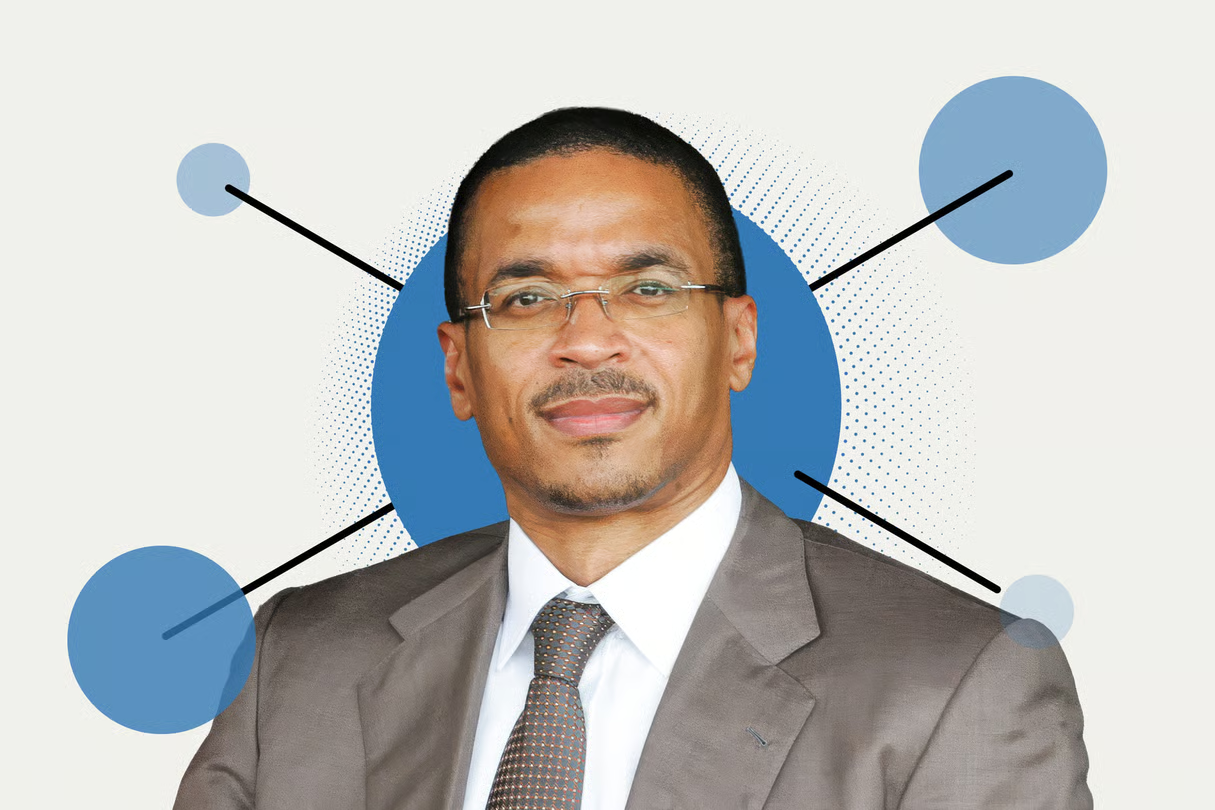
The intricate web of power in Cameroon is drawing fresh attention as key figures position themselves in anticipation of future political transitions. At the center of this evolving landscape, one name stands out prominently: Franck Biya, the son of the current head of state. His potential ascent to the vice-presidency has sparked widespread discussion across political circles and beyond.
Franck Biya: A rising political figure
Franck Biya, long known for maintaining a relatively low public profile, has recently become the focal point of strategic discussions within the ruling establishment. His apparent alignment with influential factions suggests a calculated move toward consolidating his political influence. Analysts note that his candidacy for the vice-presidency could reshape the country’s political hierarchy in the coming years.
Observers highlight several factors contributing to his growing prominence:
- His deep-rooted connections within the ruling party’s inner circle;
- The symbolic significance of his lineage, given his father’s decades-long leadership;
- Increasing speculation about succession planning within the government.
Implications for Cameroon’s political future
The potential elevation of Franck Biya to a high-ranking position is more than a personal milestone—it reflects broader shifts in the country’s political strategy. With Cameroon navigating complex domestic and regional challenges, the move could signal a deliberate effort to stabilize leadership transitions.
Critics, however, question the long-term implications of such a transition, particularly regarding transparency and inclusivity in governance. The debate underscores the delicate balance between continuity and reform in the nation’s political landscape.
Reactions from political stakeholders
Political observers and party members have responded to these developments with a mix of cautious optimism and skepticism. While some view Franck Biya’s rise as a natural progression within the existing system, others express concerns about the concentration of power and the need for broader representation in leadership roles.
The unfolding situation in Cameroon serves as a reminder of how political networks evolve in response to both internal pressures and external expectations. As the country moves forward, the decisions made today will shape its trajectory for years to come.