
Cameroun-FIDA partnership boosts farm output
The Cameroun government and the International Fund for Agricultural Development (FIDA) have released encouraging results from their 2019-2026 strategic cooperation program, highlighting significant progress in rural agricultural productivity.
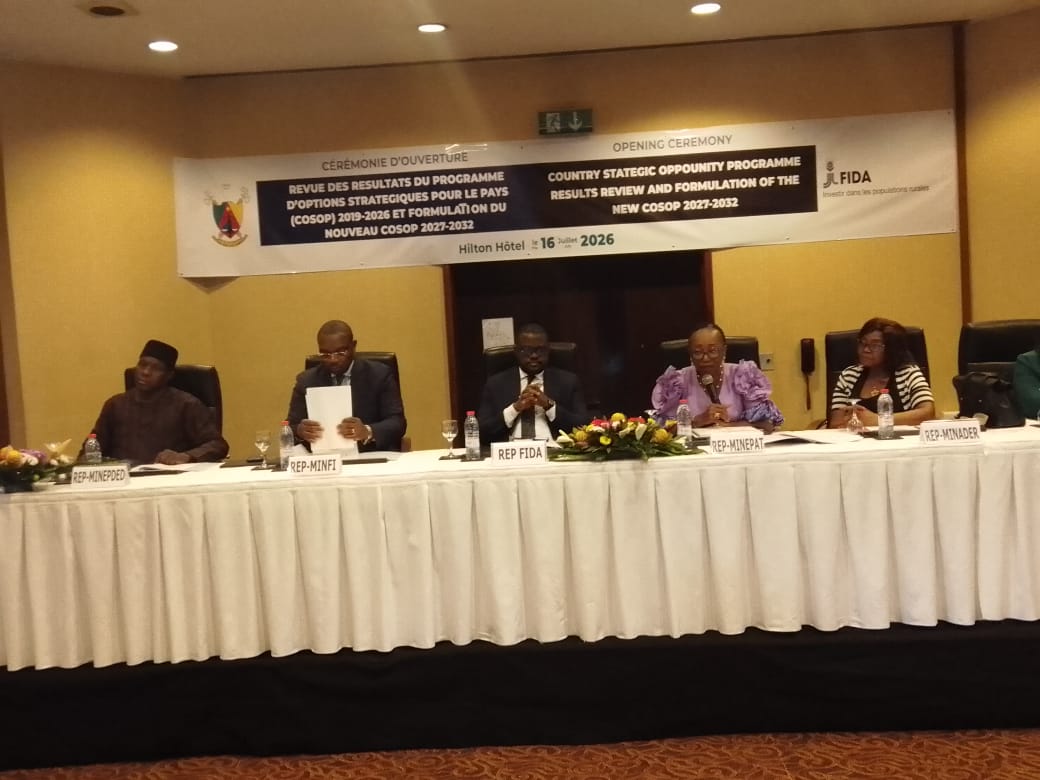
A joint review workshop held in Yaoundé on 16 July 2026 assessed the outcomes of the COSOP (Country Strategic Options Program) and laid the groundwork for the 2027-2032 phase. The event brought together key stakeholders to evaluate achievements and align future interventions with national priorities, including the 2020-2030 National Development Strategy (SND30) and the United Nations Sustainable Development Cooperation Framework.
Key achievements in agricultural productivity
Under the sustainable productivity boost pillar, the program surpassed its targets:
- 98% implementation rate for initiatives aimed at boosting productivity in smallholder farms and rural enterprises.
- 139 cooperatives in rice and onion value chains consolidated, supporting 10,505 producers (39% women, 49% youth).
- Nearly all beneficiaries (99%) in the Youth Agropastoral Entrepreneurship Program (PEA-Jeunes) adopted new techniques, exceeding the 50% target.
The event also revealed gaps in hydro-agricultural land development: only 649 hectares (43% of the 1,600-hectare target) were developed for rice and onion production.
Rice and onion production gains
The Support Program for Agricultural Value Chain Development (PADFA II) delivered measurable results:
- Rice yields increased by 74%, reaching 3.7 tonnes per hectare (target: 5 tonnes).
- Rainfed rice production hit 2.5 tonnes per hectare (63% of the 4-tonne target).
- Onion yields reached 18 tonnes per hectare (86% of the 21-tonne target).
- Total paddy rice production: 52,996 tonnes (70% of the 74,750-tonne goal).
- Onion bulb production: 45,000 tonnes (52% of the 85,562-tonne forecast).
Climate-smart agriculture and policy reforms
The program achieved full adoption (100%) of ecosystem-based climate adaptation guidelines, including:
- A strategic plan for 17 reforms in the agropastoral sector.
- A draft law to guide sectoral orientation.
- Three new strategies supporting bamboo restoration policies.
The COSOP 2019-2026 was initially approved in 2019 and extended to 31 December 2026 following a mid-term review in July 2021, reflecting the government’s commitment to rural development.