
Cameroon’s leading opposition party demands constitutional clarity over prolonged presidential absence
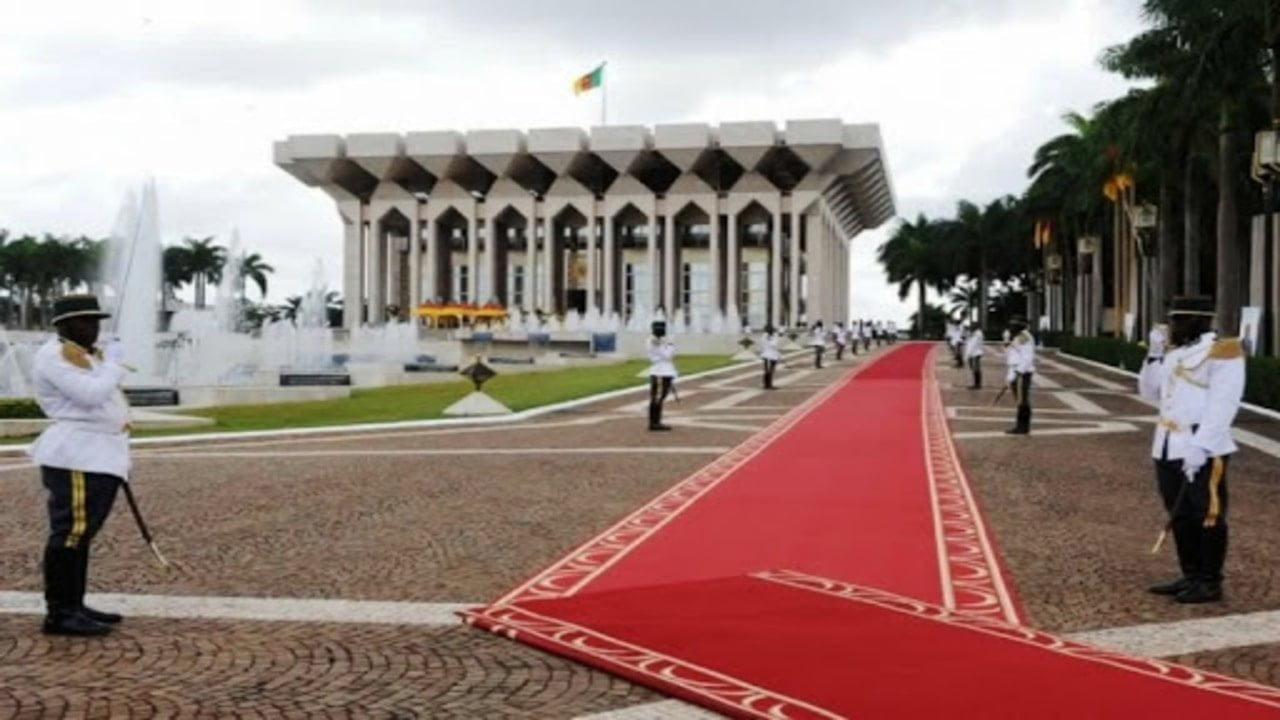
More than 40 days after Cameroon’s head of state departed Yaoundé for a private visit to Europe, the nation remains without official updates on his whereabouts or activities. The brief statement released by the Civil Cabinet confirmed only that President Paul Biya left for Switzerland, citing unspecified personal reasons. Yet, no further details have emerged, leaving both the public and press in the dark about his current status or return timeline.
Institutional concerns mount as silence prolongs
This prolonged absence has sparked growing concerns among citizens and political actors alike. Patricia Tomaino Ndam Njoya, leader of the Cameroon Democratic Union (CDU), has publicly criticized the lack of transparency surrounding the President’s extended stay abroad. In her view, the absence of clear communication from the highest office risks undermining public trust and institutional stability.
The CDU has taken a proactive stance, issuing a formal statement addressing the legal and operational implications of such prolonged absences. According to the party, the current situation underscores the urgent need to activate constitutional mechanisms designed to ensure the continuity of governance. A key recommendation is the appointment of a Vice-President—a position currently vacant despite a constitutional amendment passed in April 2026 that mandates its establishment.
Calls for legal safeguards and institutional preparedness
The opposition party is calling for immediate measures to formalize procedures for handling presidential absences. Among their proposals are the establishment of clear timelines for extended presidential trips, regular reporting to Parliament and the nation, and a transparent process for delegating presidential functions when necessary. They also urge the creation of an impartial mechanism to verify any temporary or permanent incapacitation, aiming to prevent potential institutional paralysis at the highest level.
These demands come at a sensitive political juncture. Following the recent presidential election and the start of President Biya’s eighth term, expectations are high for new government appointments and policy rollouts. However, over six months into the new mandate, the promised government reshuffle has yet to materialize, and the Vice-Presidency remains unfilled. Meanwhile, the absence of the Head of State has already led to complications, including the emergence of unauthorized presidential decrees broadcast on national television, nearly triggering a constitutional crisis.
Political climate heats up ahead of local elections
As July draws to a close, attention is turning toward upcoming legislative and municipal elections—a pivotal moment for all political stakeholders. Within the ruling party itself, internal dynamics are shifting, with the Central Committee scheduling a statutory meeting for July 21, 2026. This gathering will take place without the physical presence of the party’s leader, a scenario that highlights the broader governance challenges facing the nation.
The CDU’s stance reflects deeper anxieties among Cameroonians about the transparency and stability of national leadership. Their recommendations are not merely political posturing but a call for constitutional fidelity and institutional resilience in a moment of uncertainty.