
Renewed urgency to convene the supreme council of magistrates
In this Monday’s political editorial, broadcast on Radio Tiémeni Siantou’s airwaves (90.5 FM in Yaoundé and Bafang), journalist Éric Boniface Tchouakeu highlights the pressing need for the supreme council of magistrates to convene following recent presidential appointments.
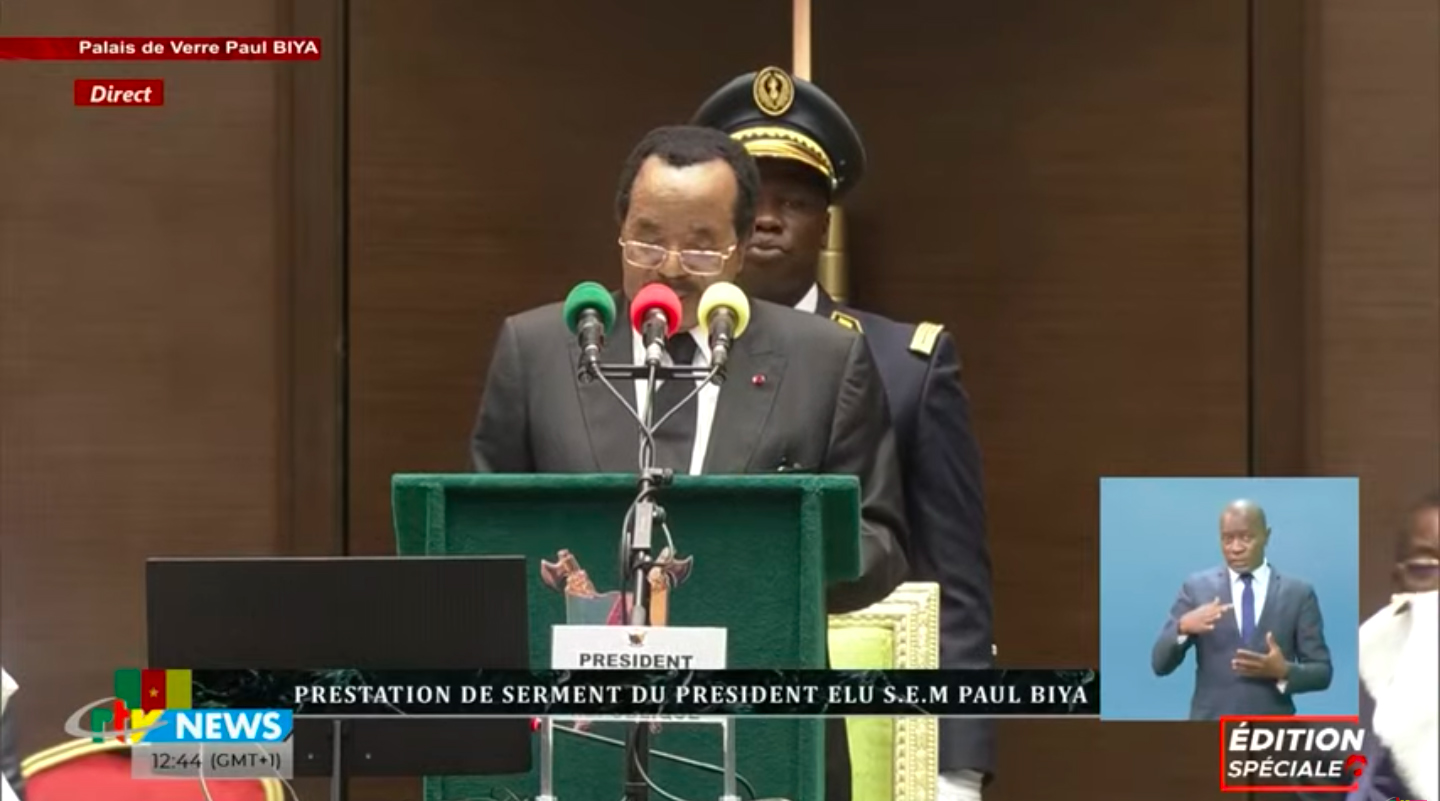
The President signed a decree on June 2, 2026, appointing new members to the council. President Paul Biya renewed ten of the fourteen members whose terms had expired a year ago, granting them new five-year mandates. The supreme council of magistrates has not met since August 2020—nearly six years of inactivity.
According to human rights lawyer Me Félix Nkongo Agbor Balla, this prolonged dormancy represents a severe institutional failure with far-reaching consequences for the rule of law, judicial independence, and public trust in the justice system.
The supreme council of magistrates is constitutionally responsible for managing judicial careers, discipline, integration, and ethical oversight of magistrates. “Its continued inactivity has crippled these essential functions and significantly weakened the judiciary,” the lawyer wrote in a January 2026 opinion piece, offering a comprehensive analysis of the situation.
“One of the most alarming consequences of the council’s inaction is that magistrates graduating from the National School of Administration and Magistracy (ENAM) over the past six years have not been formally integrated into the judiciary. As a result, they cannot take the oath or exercise judicial functions. This unprecedented situation has created a dangerous void in courts nationwide,” Me Agbor Balla warned.
“Cameroon is currently facing a critical shortage of magistrates, leading to court congestion, excessive case backlogs, prolonged detentions, and widespread delays in justice delivery,” he added.
The prolonged absence of the supreme council also deprives citizens of timely access to justice, especially as numerous judicial positions remain vacant due to retirements, deaths, or resignations. “This gap has led to legally questionable appointments, including in administrative courts, where judges have been appointed without the council’s prior approval—a clear violation of its exclusive authority over magistrate appointments and assignments,” he noted.
“Beyond integration issues, disciplinary procedures are stalled, promotions are frozen, and professional misconduct cannot be addressed. Honest magistrates are discouraged, while corruption thrives in the absence of oversight,” Me Agbor Balla concluded.
The urgency of convening the supreme council is undeniable. Strict adherence to the law, which mandates two annual sessions, is now imperative.
Comments