Russia deepens strategic ties with Sahel alliance amid shifting alliances
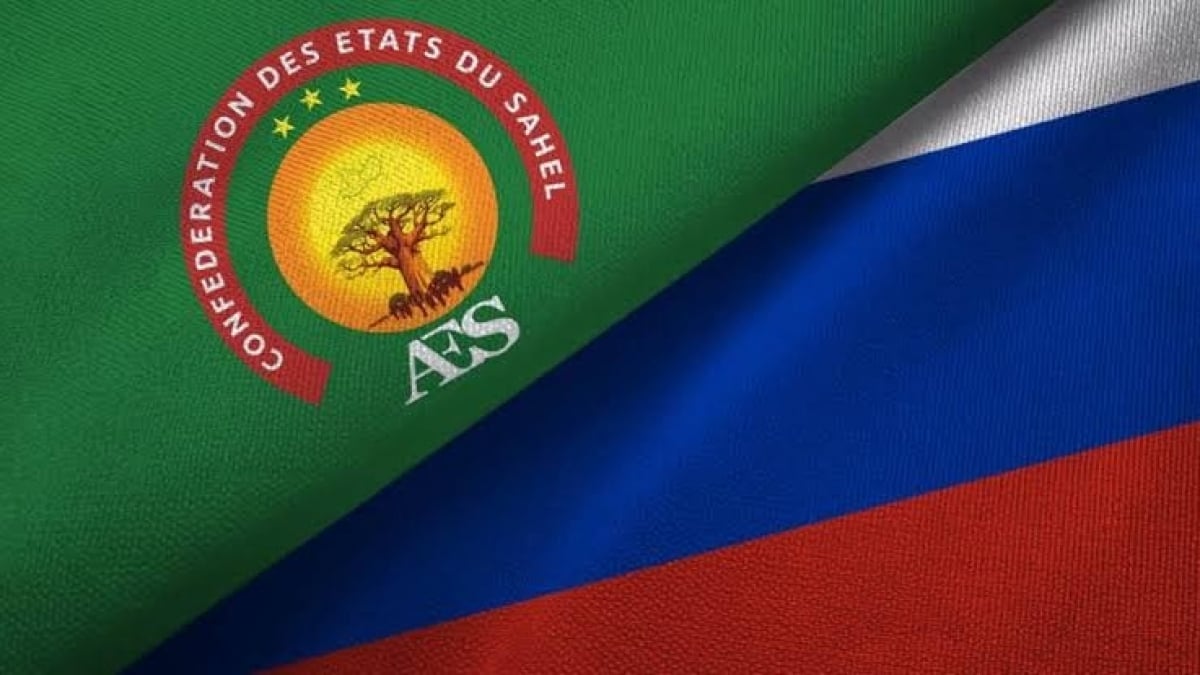
Strengthening military bonds in the Sahel
Russia has accelerated its military cooperation with the Alliance of Sahel States (AES), comprising Mali, Burkina Faso, and Niger. Recent high-level discussions in Niamey, Niger’s capital, between Russian Foreign Minister Sergey Lavrov and AES representatives underscored a shared commitment to bolster defense collaboration. The focus remains on enhancing security measures to combat extremist violence and address persistent regional challenges.
Key developments in bilateral cooperation
The AES alliance, formed in September 2023 under a mutual defense pact, has evolved into a broader political, economic, and security framework. By early 2025, the three member states had withdrawn from the Economic Community of West African States (ECOWAS) and announced plans to establish a joint military force of approximately 5,000 troops. This force aims to unify counter-terrorism efforts and secure national borders against emerging threats.
Russia’s engagement in the Sahel has intensified with the deployment of its African Corps—a military unit created by the Russian Defense Ministry to assume the operational role previously held by the Wagner Group in several African nations. This strategic shift aligns with Moscow’s broader push to expand its influence across the region, particularly as traditional partnerships with Western allies have weakened.
Regional implications and long-term challenges
While enhanced military support from Russia may provide short-term gains in combating terrorism, analysts warn that fundamental issues driving instability in the Sahel—such as governance failures, economic disparities, climate pressures, and resource competition—remain unaddressed. The rise of armed extremist groups continues to pose a significant threat to stability, necessitating solutions beyond military intervention.
The AES’s decision to distance itself from ECOWAS reflects a broader trend of shifting alliances, with member states prioritizing regional autonomy and self-reliance. This realignment has opened new opportunities for external actors like Russia to deepen their footprint in West Africa, particularly in countries where anti-Western sentiment has grown.
Future prospects for Sahel-Russia relations
As Moscow strengthens its military and political ties with the AES, the dynamics of regional security architecture are undergoing transformation. The deployment of the African Corps signals a long-term commitment, but its effectiveness will depend on addressing the underlying socio-economic and governance challenges that fuel instability. For now, the partnership between Russia and the Sahel alliance remains a pivotal factor in shaping the region’s security landscape.