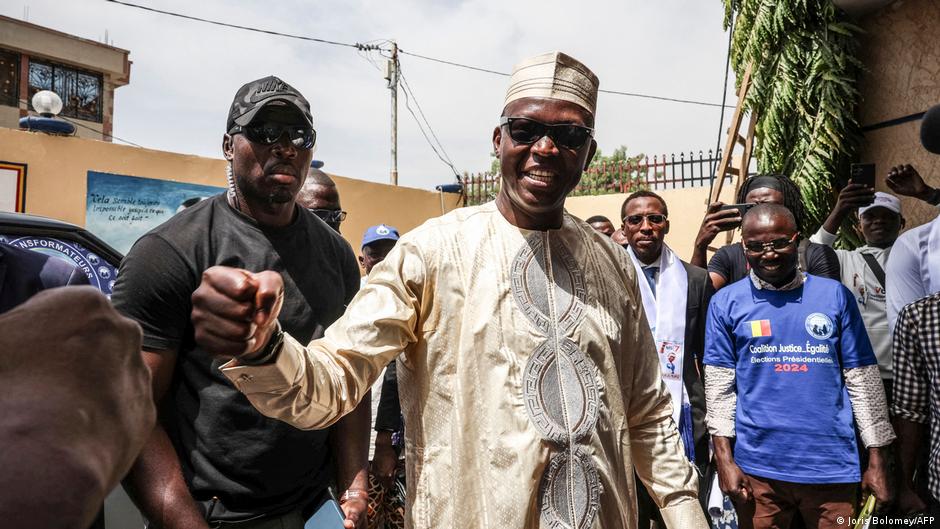

The release of several prominent opposition figures in Tchad has sparked both approval and criticism across the political spectrum. President Mahamat Idriss Déby recently granted clemency to a group of opposition leaders, including former Prime Minister Succès Masra, who had been serving a 20-year sentence for insurrection.
While this presidential clemency eliminates their prison terms, it does not erase their criminal records. Their convictions remain intact, along with associated civil and financial penalties, rendering them ineligible for future political participation. This distinction between clemency and amnesty has become a focal point of debate among political analysts and observers.
Legal consequences linger despite freedom
According to political analyst Bétinbaye Yamingué, this clemency measure addresses immediate humanitarian concerns by reuniting these leaders with their families. However, he emphasizes that its long-term impact hinges on whether parliament takes further action. “The president has exercised his constitutional authority to grant clemency,” Yamingué notes. “But true democratic progress would require parliamentary support for full amnesty, allowing these figures to resume their political roles without restrictions.”
The analyst warns that without such legislative follow-through, the clemency gesture could be perceived as a tactical maneuver rather than a genuine commitment to political reconciliation. “Improving the political climate isn’t just about granting freedom,” he argues. “It’s about restoring these leaders’ full political rights and participation.”
Political divides emerge over the decision
Reactions to the clemency announcement have been sharply divided. The Transformers party, led by Succès Masra, has refrained from immediate comment, with a spokesperson stating they prefer to wait until their leader’s release is finalized.
Vice-president Ndolembai Sadé Njesada of the same party expressed gratitude for what he called a step toward “national unity,” expressing hope that this gesture would open dialogue toward lasting peace. Conversely, Hissein Abdoulaye, spokesperson for the opposition coalition GCAP, condemned the decision. In his view, granting clemency while maintaining convictions amounts to a serious democratic setback, as it permanently strips these leaders of their civic and political rights.
The ruling party’s perspective contrasts sharply with opposition views. The Patriotic Salvation Movement (MPS) characterized the clemency as “beneficial,” emphasizing that it would allow these figures to reunite with their families after prolonged incarceration.