
Dakar, Senegal — In a surprising diplomatic maneuver, President Bassirou Diomaye Faye of Senegal has publicly endorsed the candidacy of his predecessor, Macky Sall, for the position of Secretary-General of the United Nations. The announcement, made on July 20, marks a dramatic reversal from earlier reservations expressed in March and Senegal’s prior opposition within the African Union.
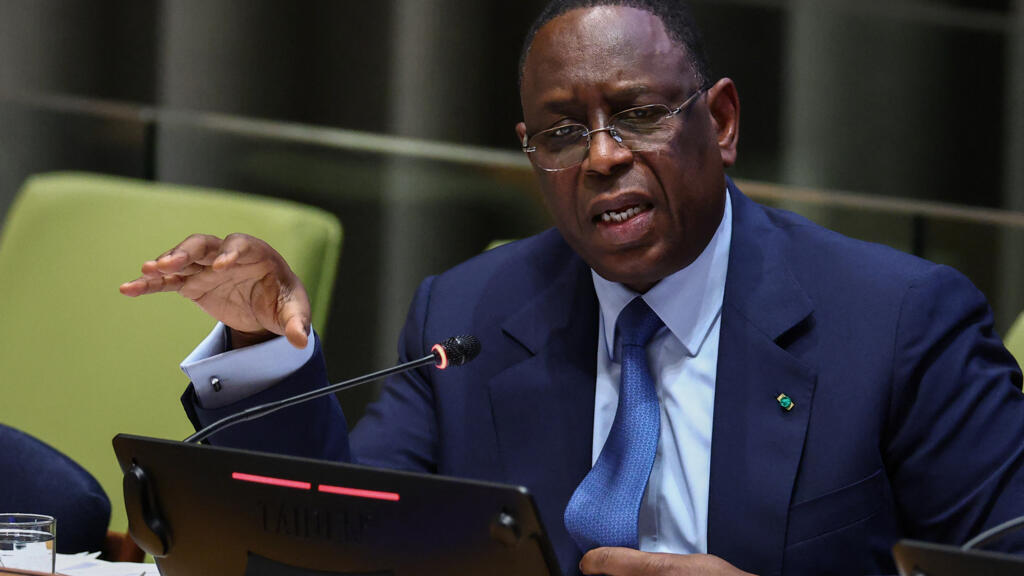
Senegal’s full backing strengthens Macky Sall’s UN bid
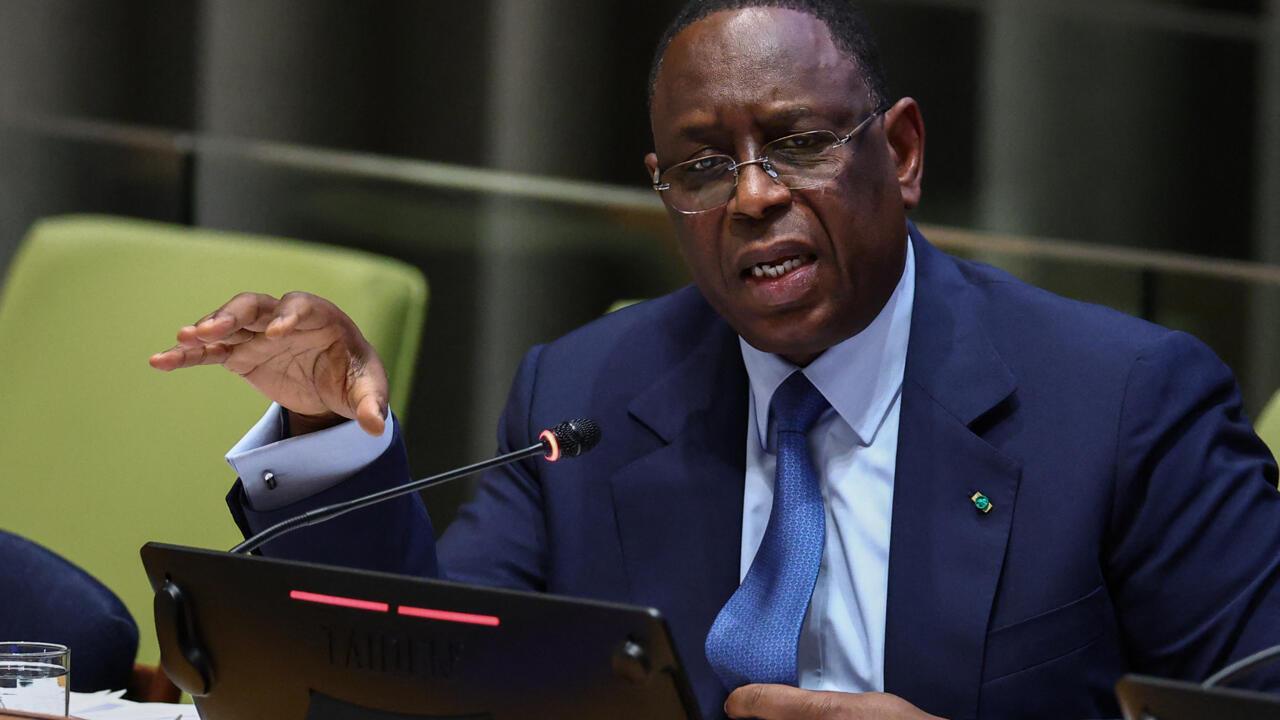
Three days after hosting Macky Sall at the presidential palace in Dakar, Bassirou Diomaye Faye formally declared on July 20 that Senegal would provide “full support” to his predecessor’s candidacy for UN Secretary-General. The move involved mobilizing the entire diplomatic apparatus, framing Sall’s bid as a national effort rather than a personal one.
This strategic shift significantly bolsters Macky Sall’s international dossier. Having served as Senegal’s leader for twelve years, Sall can now claim the backing of the state he once led—a powerful endorsement in diplomatic circles. But what drove President Faye to reverse course after months of skepticism? And how will this decision impact his already strained relationship with former Prime Minister Ousmane Sonko?
From skepticism to full endorsement
As recently as March, Senegal had expressed reservations about Macky Sall’s candidacy, particularly within the African Union. The reversal suggests a calculated political move, potentially influenced by domestic or international pressures. By aligning Senegal behind Sall, Faye may be seeking to strengthen his own diplomatic leverage or secure future alliances.
The endorsement could also signal a pragmatic approach to regional diplomacy, where shifting alliances are common. However, the decision risks deepening tensions with Ousmane Sonko, who has emerged as a prominent opposition figure and a potential rival to Faye’s leadership.
What’s next for Senegal’s foreign policy?
Senegal’s sudden shift in stance on the UN candidacy highlights the fluid nature of its foreign policy under President Faye. While the move may solidify Sall’s international standing, it also raises questions about the long-term implications for Senegal’s diplomatic consistency and internal political dynamics.
As Dakar recalibrates its global engagements, observers will closely watch how this decision reshapes Senegal’s role in African and international affairs—especially in the lead-up to high-stakes negotiations at the United Nations.