DRC ceasefire verification mechanism stalled after expelled officer
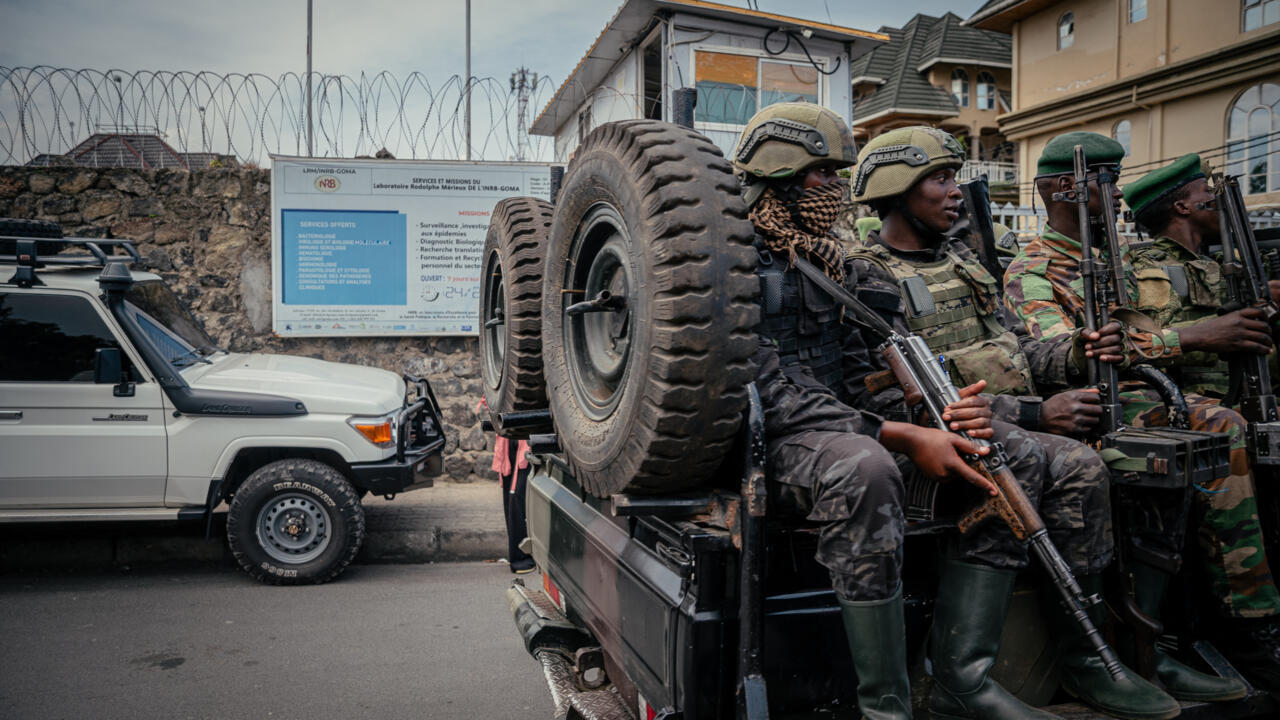
Nearly four months after its creation in Montreux, the expanded joint ceasefire verification mechanism (MCVE+) designed to monitor compliance between Kinshasa and the AFC/M23 has yet to begin operations. The delay stems from the expulsion by the Rwanda-backed movement of one of three Congolese officers deployed in mid-July to Goma to represent the FARDC within the system. The AFC/M23 accused the officer of being a former military intelligence member. How are Congolese authorities responding to these allegations? What impact does this blockade have on the ground?
What is the MCVE+ and why has it been paralyzed?
The expanded joint ceasefire verification mechanism (MCVE+) was established to oversee the implementation of the ceasefire agreement between the Democratic Republic of Congo (DRC) and the AFC/M23 rebel group. The mechanism relies on a balanced representation of officers from both sides to ensure impartial monitoring.
However, its operations have been halted due to the expulsion of a Congolese officer by the AFC/M23. The rebel movement claimed the officer had previously served in military intelligence, a role that raised concerns about his neutrality. The DRC government has denied these allegations, insisting the officer was selected through transparent and legitimate procedures.
Consequences on the ground and diplomatic tensions
The paralysis of the MCVE+ has significant implications for the conflict’s dynamics. Without a functional verification system, violations of the ceasefire are harder to document, and trust between the parties erodes further. Local communities in eastern DRC, particularly in Goma and surrounding areas, continue to face the brunt of ongoing tensions.
Diplomatic relations between the DRC and Rwanda, which supports the AFC/M23, remain strained. The expulsion incident has exacerbated existing mistrust, making negotiations even more complex. Meanwhile, civilians caught in the crossfire endure persistent insecurity, with reports of sporadic clashes and human rights abuses.
DRC’s defense and next steps
The Congolese government has strongly refuted the AFC/M23’s claims about the expelled officer, emphasizing that all deployed personnel underwent rigorous vetting. Authorities have called for the officer’s reinstatement to resume MCVE+ operations, but the rebel group has so far refused to reconsider its decision.
Efforts to restart the mechanism are now at a standstill, leaving the ceasefire agreement in limbo. Without a functional verification system, the prospects for lasting peace in eastern DRC remain uncertain. Observers warn that prolonged inaction could lead to further escalation, undermining fragile stability in the region.