
Ebola outbreak in eastern DRC escalates with 550 confirmed cases
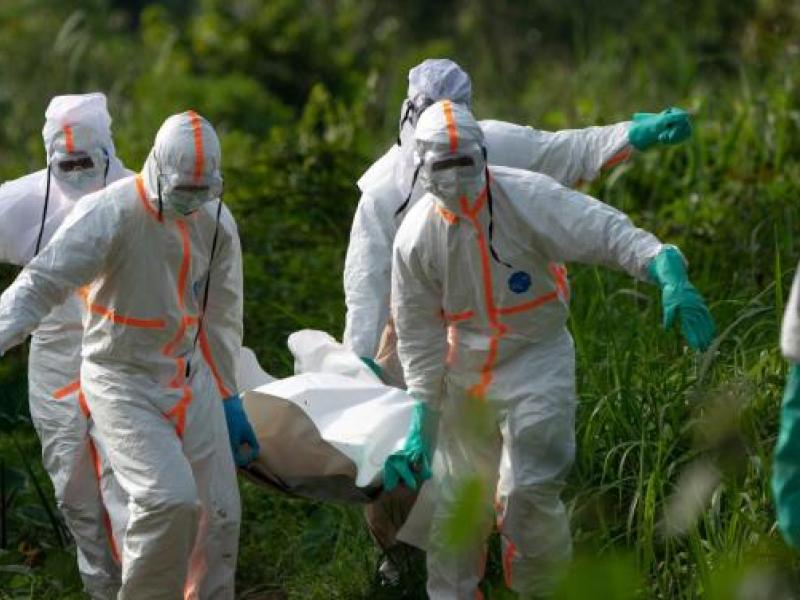
Ebola crisis intensifies in Democratic Republic of Congo: 550 confirmed cases, 101 fatalities
The Ebola virus outbreak, specifically the Bundibugyo strain, continues its alarming spread across eastern Democratic Republic of the Congo (DRC). The latest epidemiological report from the National Institute of Public Health (INSP) reveals a total of 550 confirmed cases, including 101 deaths, as of June 6.
Health authorities report 27 new confirmed cases recorded within just 24 hours, demonstrating the ongoing transmission in multiple affected regions. Currently, 283 patients remain hospitalized or in isolation, while the overall case fatality rate stands at 17.7%.
Ituri Province remains the epicenter
Geographic analysis confirms that Ituri Province continues to bear the brunt of this health emergency. Out of the 25 health zones impacted by the outbreak, 17 are located in Ituri—representing nearly half of the province’s 36 health zones. Affected areas include critical locations such as Aru, Aungba, Bambu, Bunia, Gety, Komanda, Mambasa, and Mongbwalu.
Despite intensified surveillance and community awareness campaigns, the virus continues to circulate in multiple territories, highlighting the challenges in containment efforts.
Active hotspots in North-Kivu and South-Kivu
Beyond Ituri, the outbreak has also taken hold in neighboring provinces. In North-Kivu, the Katwa health zone remains the most active hotspot with 11 confirmed cases and 8 deaths. Other affected areas include Beni (5 cases, 3 deaths), Butembo (4 cases, 2 deaths), and Miti-Murhesa (3 cases, 1 death). In South-Kivu, Oicha (2 cases, 2 deaths), Kalunguta (1 case, 1 death), and Goma (1 case, no deaths) are also reporting cases.
Progress amid challenges
While the situation remains dire, health teams report some encouraging developments. Three previously confirmed patients have been declared cured and discharged—two from treatment facilities in Bunia and one from Katwa. Health authorities emphasize that infection prevention in healthcare settings, contact tracing, and community sensitization are critical components in breaking transmission chains.
The INSP underscores that building trust within communities, early case detection, and strict adherence to prevention measures are essential to curb the spread in the coming weeks.
Freddy Upar reports from Bunia.