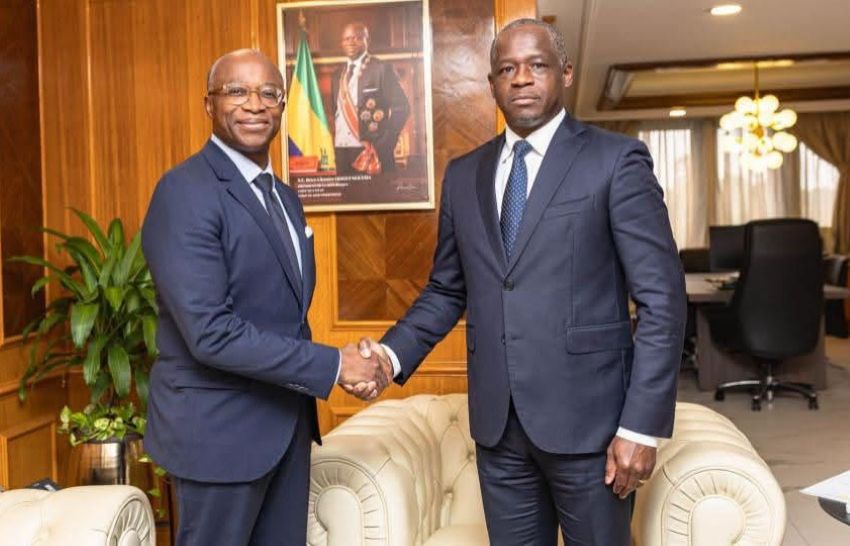
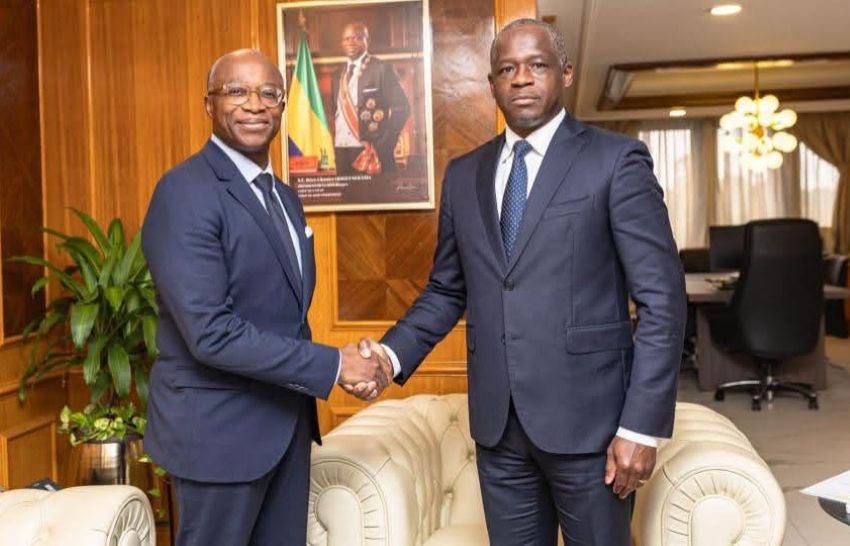
Libreville, Gabon – August 9, 2026: Gabon is redefining its natural capital as a cornerstone of diplomacy, climate action, and economic growth. The landmark meeting on August 5, 2026, between Vice-President Hermann Immongault and Monaco’s Prince Albert II Foundation delegation marks a pivotal moment in this evolving strategy.
Beyond environmental discussions, Libreville is laying the groundwork for international alliances that can finance, safeguard, and sustainably enhance its forests, biodiversity, and marine ecosystems. Led by Charles Oula Siehe, Special Advisor for Africa at the Prince Albert II Foundation, the Monégasque delegation engaged in high-level talks with Immongault and maritime economy minister Aimé Martial Massamba. The agenda centered on deepening cooperation and expanding the Foundation’s footprint in Gabon.
Why Gabon matters in the global climate equation
Gabon’s strategic value lies in its vast forest cover, thriving marine ecosystems, and unparalleled biodiversity. These assets transcend national borders, positioning the country at the forefront of climate solutions. As global demand for nature-based solutions accelerates, Gabon’s natural wealth emerges as both an environmental duty and a strategic asset capable of attracting international investment.
Monaco’s engagement arrives ahead of the Foundation’s 20th anniversary in September, with a renewed focus on the Congo Basin—one of the planet’s most critical carbon sinks and biodiversity reservoirs. For Gabon, the opportunity lies in aligning international ambitions with domestic priorities, particularly in forest protection, biodiversity conservation, carbon financing mechanisms, and blue economy development.
The blue economy presents a transformative opportunity. Sustainable ocean management and responsible fisheries are no longer optional but essential to economic policy. For a nation with extensive maritime resources, the blue economy can unlock value creation by balancing conservation, ecosystem health, and community benefits.
Forests face similar imperatives. The challenge is no longer preservation alone but creating systems where Gabon can monetize the environmental services it provides globally. Carbon financing mechanisms could become a revenue stream—but only if paired with transparency, credibility, and equitable compensation for conservation efforts.
From natural heritage to geopolitical leverage
This meeting underscores Gabon’s shift from viewing nature protection as a mere ecological obligation to recognizing it as a driver of development, international cooperation, and national influence. The true test will be translating these discussions into funded projects, shared expertise, local jobs, scientific data, and measurable ecosystem protection.
The partnership holds mutual promise. Monaco brings expertise, networks, and the ability to mobilize global action on environmental challenges. Gabon offers unparalleled ecosystems in the Congo Basin whose preservation directly impacts global climate stability. The August 5 talks represent more than diplomacy—they signal Gabon’s bid to harness its natural capital as a tool for sovereignty and sustainable growth.
In a world where forests, oceans, and biodiversity are increasingly strategic assets, Libreville must negotiate partnerships with the same rigor as trade agreements. The goal isn’t just securing support for conservation but ensuring that Gabon’s contributions are recognized and rewarded. If this collaboration succeeds in merging conservation, financing, expertise, and national benefits, it could redefine Gabonese diplomacy—turning environmental stewardship into a powerful engine for progress.