
Gabon and Democratic Republic of Congo deepen strategic partnership during Tshisekedi’s Libreville visit
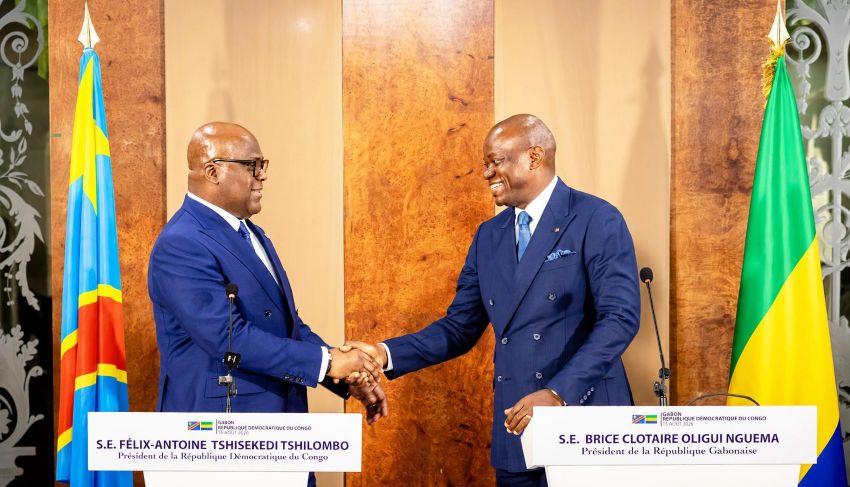
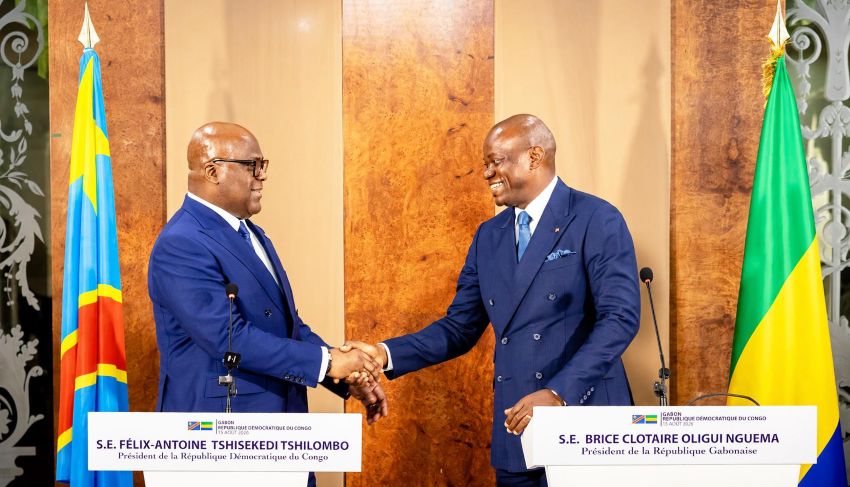
The official visit of Félix-Antoine Tshisekedi Tshilombo to Libreville on August 15, 2026, marked more than just diplomatic courtesy. The conversations between the presidents of Gabon and the Democratic Republic of Congo (DRC) revealed an ambitious shared vision: transforming bilateral relations into a catalyst for economic growth, regional stability, and continental solidarity.
At the conclusion of their meetings, three concrete agreements were signed, giving substance to this vision.
Celebrating independence through partnership
The timing of the visit coincided with Gabon’s 66th Independence Day anniversary, amplifying its significance. Beyond commemorative ceremonies, this was an opportunity for two nations to reaffirm their enduring bonds while charting a path toward sustainable cooperation. Key discussion areas included agriculture, infrastructure, transportation, energy, mining, health, education, vocational training, digital innovation, and cultural exchange.
Central to these deliberations was a shared belief: while both countries possess vast resources, their true potential lies in local value addition, job creation, and fostering the free flow of African expertise, capital, and knowledge.
From raw materials to regional powerhouse
The leaders emphasized accelerating local processing of natural resources—a critical step for economies seeking to reduce dependence on raw material exports and build domestic industries. Brice Clotaire Oligui Nguema highlighted Gabon’s ongoing reforms in digitalization, women’s empowerment, youth employment, living standards, and natural resource valorization. Félix Tshisekedi welcomed these initiatives and expressed Kinshasa’s commitment to strengthening ties with Libreville.
The partnership extends beyond economics. Both presidents addressed transnational organized crime, regional integration, and the peace and stability essential for development. Their discussions also touched on the Congo Basin, a vital ecological zone requiring cross-border solutions for its protection.
Climate financing, particularly through carbon taxation mechanisms, emerged as another potential area of collaboration. In an era where African nations seek greater recognition for their climate contributions, a unified stance by Gabon and the DRC could amplify their negotiating power on the global stage.
This alignment extends to continental diplomacy. Libreville is seeking Kinshasa’s support for its candidacy to the International Telecommunication Union (ITU) Council during the November 2026 Doha elections, as well as its bid to host the African Union Summit in 2027. For Gabon, this represents a pivotal moment—a chance to reclaim its role on the continental stage nearly half a century after hosting the last AU summit in Libreville in 1977.
Agreements signed, but the real work begins now
The meeting’s true impact lies in the three agreements finalized between the states:
- First agreement: Covers cooperation in justice, environment, health, and mining, with a focus on local resource transformation.
- Second agreement: Introduces visa exemptions for holders of diplomatic and service passports.
- Third agreement: Establishes a framework for regular diplomatic and political consultations.
A joint commission will oversee implementation—a litmus test for this new diplomatic chapter. Historically, African nations have not lacked agreements; what they often lack is translating these into tangible projects, funded initiatives, and measurable outcomes.
The visit concluded at the Sainte-Marie Cathedral in Libreville, where the presidents observed a moment of reflection. This visit held special meaning for Congolese attendees, recalling a 2018 mass held in honor of Étienne Tshisekedi.
Yet the heart of the matter lies elsewhere. Gabon and the DRC now stand at a crossroads where historical ties can be forged into collective strength. The presidents have set the direction; the signed agreements provide the framework. The joint commission must now set the pace and deliver results.
Africa’s future hinges not on declarations of solidarity, but on its ability to organize, finance, and execute those declarations. Between Libreville and Kinshasa, the time for action has arrived.