Global security wake-up call: how Cameroon is reacting to Atonfack Guemo’s message
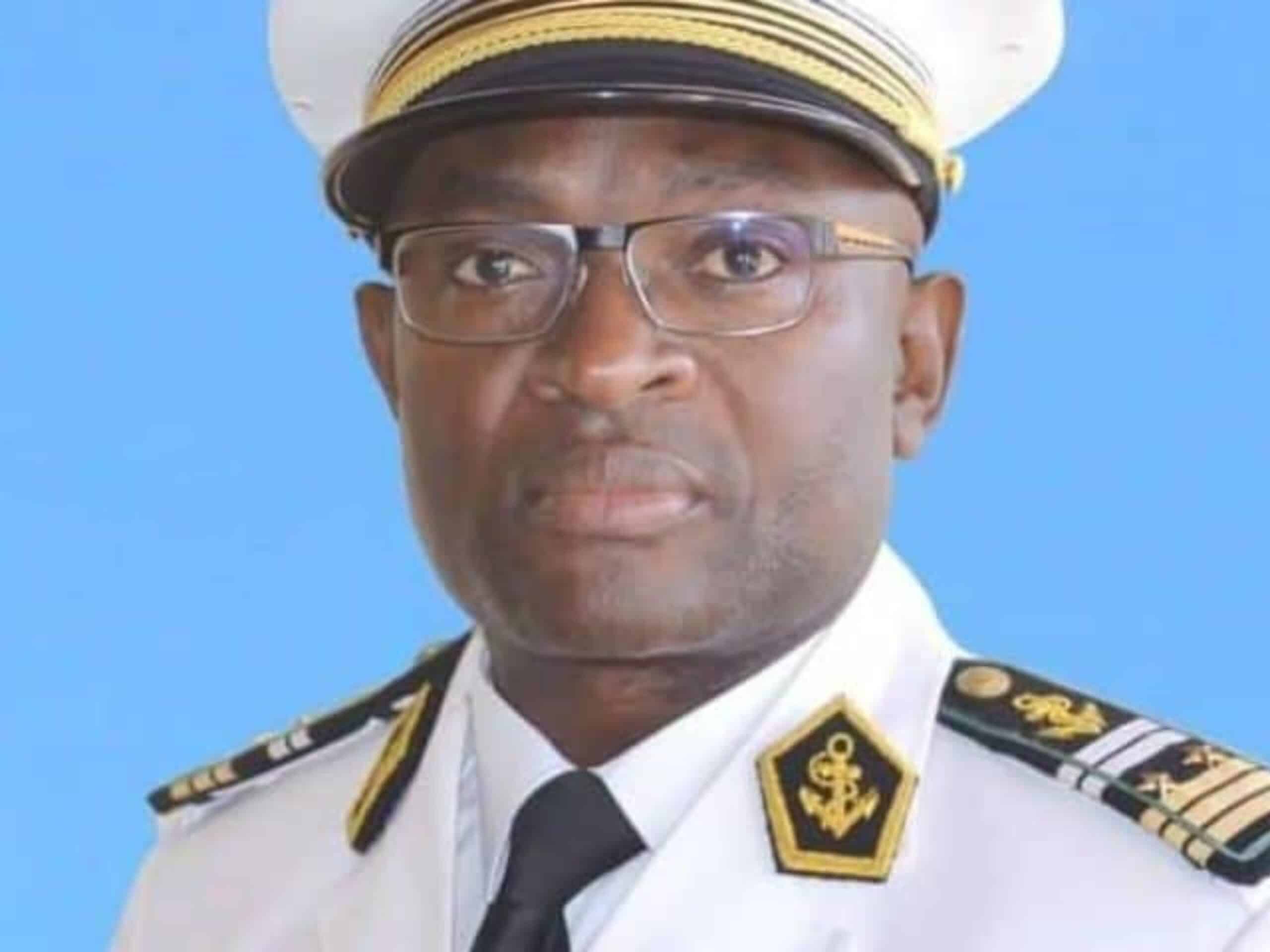
The message that sparked a national conversation
When Atonfack Guemo, director of communication at the Ministry of Defence, took to the airwaves on Saturday, September 19, 2026, during the programme “Honneur et fidélité”, few expected his words to resonate so deeply. His editorial, built around the concept of global peace and security, issued an urgent call for vigilance across Cameroon. The immediate fallout has been a wave of public debate about what it means to truly love and defend the nation.
In his address, Guemo painted a stark picture of a world where armed violence is becoming the norm, and he urged Cameroonians to remain ever watchful. The reaction has been swift and varied, with citizens, analysts, and officials weighing in on the implications of his message.
What Guemo actually said
At the heart of his editorial was a sobering assessment of global insecurity. He described frozen conflicts reigniting, ongoing wars dragging on, and security crises that never seem to end. From regular army confrontations to asymmetric operations and the daily toll of gun violence—which claims over 200,000 lives each year worldwide—the picture is grim.
This globalisation of armed violence, he warned, breeds a palpable sense of permanent insecurity that can quickly spiral into psychosis, especially in countries like Cameroon that face the reach of international terrorism. Despite unanimous condemnations and sanctions, terrorist groups continue to grow in capacity, acquiring means of action on land, in the air, at sea, and in cyberspace.
Guemo did not mince words: “Our enemies are maintained by our friends, for our own good.” It was a pointed remark that has since fuelled much discussion.
Beyond terrorism: a wider web of threats
But the editorial went further. Guemo highlighted how insecurity has spread to other areas of human activity. Industrial espionage, looting of wildlife, plant and mineral resources, sabotage of communication networks, and even the distortion of politics, education, and cultural norms—all these, he argued, are forms of violence against people, institutions, and the environment. No country, however powerful, is immune.
For Cameroonians, this is not abstract. The country has become a convergence point for multiple aggressions, forcing it to dedicate enormous economic, material, and human resources to blocking instability on its eastern borders, smothering transnational extremist projects in the north, and quelling secessionist ambitions in the west.
Reactions: a nation reflects
The public response to Guemo’s message has been a mix of solidarity, concern, and calls for action. Many have taken to social media and community forums to express their support for the armed forces and to debate what more can be done.
“He is right. We cannot afford to be complacent,” said one resident of Yaoundé. “But vigilance must be collective. It is not just the job of the military.”
Others have questioned whether the rhetoric of permanent vigilance might lead to fatigue or even fear. “We need concrete solutions, not just warnings,” a civil society activist noted. “How do we translate this call into everyday practice?”
Some analysts see the editorial as a strategic communication move, designed to prepare the public for prolonged security challenges. “It is a way of managing expectations,” one observer suggested. “The government wants citizens to understand that the fight is long and that everyone has a role.”
What comes next?
Guemo’s closing words—”Let us remain patriots, let us remain vigilant, let us love Cameroon definitively”—have become a rallying cry. But they also raise questions about the future. Will this call translate into policy changes, community initiatives, or increased military-civilian cooperation?
For now, the debate continues. The editorial has undeniably struck a chord, forcing a national conversation about security, patriotism, and the responsibilities of every citizen. In a world where threats are increasingly global and complex, Cameroon’s response—and the role of its people—will be closely watched.
As the country grapples with these challenges, one thing is clear: the message from the Ministry of Defence has not just been heard; it has sparked a movement of reflection and, potentially, action.