Hundreds displaced after terror attacks in southwest Niger
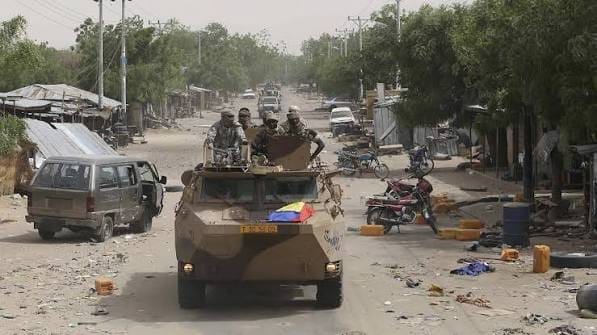
hundreds displaced after terror attacks in southwest Niger
In mid-july, a wave of terror attacks struck villages in Niger’s southwestern region, forcing hundreds of residents to flee their homes. These unprecedented incidents mark a dangerous escalation in a previously stable area near the borders of Nigeria and Bénin.
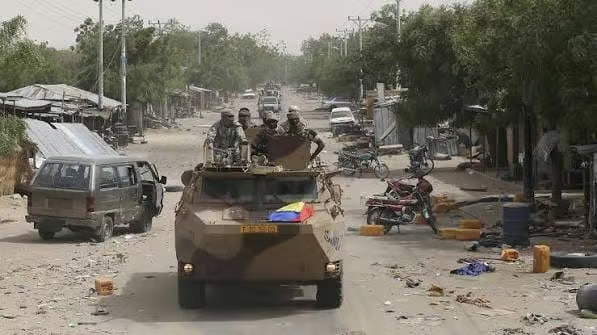
The region of Dosso, now grappling with this sudden shift, has become a new hotspot for violence since 2025. Militant groups linked to Al-Qaïda and the Islamic State have intensified their operations, displacing thousands across the Sahel. Local reports indicate that survivors have sought refuge in neighboring Tahoua, while others have relocated to Dogondoutchi, approximately 100 kilometers from Loga.
Escalating violence and internal displacement
According to United Nations data, Niger now hosts over 450,000 internally displaced persons, the majority concentrated in three regions plagued by terrorism for over a decade. Tillabéri, which borders Burkina Faso and Mali, accounts for 48% of these displacements. Diffa in the southeast and Tahoua in the center-east also face severe humanitarian challenges.
On July 17, a military detachment in western Niger came under attack, resulting in 16 deaths and 23 injuries among soldiers. The clash left 15 militants dead, underscoring the persistent threat posed by these groups.
The Islamic State in the Sahel and the Jama’at Nusrat al-Islam wal Muslimin (JNIM), affiliated with Al-Qaïda, have carried out relentless attacks in Niger over the past decade. These groups exploit porous borders and weak security infrastructure, exacerbating instability in the region.
Humanitarian crisis deepens
The recent displacement in Dosso adds to the growing humanitarian crisis, straining resources in already overwhelmed communities. Local authorities and aid organizations are working to provide shelter, food, and medical assistance to those affected. However, the scale of the crisis demands urgent international support.
As Niger continues to confront this evolving threat, the need for coordinated regional and global action has never been more critical. The safety and stability of the Sahel depend on collective efforts to address the root causes of terrorism and displacement.