Katebe Katoto’s pivotal role in DRC’s Katanga region
Updated today at 7:25 PM Reading time: 4 minutes.
File generated on
Raphaël Katebe Katoto’s strategic mission in Katanga
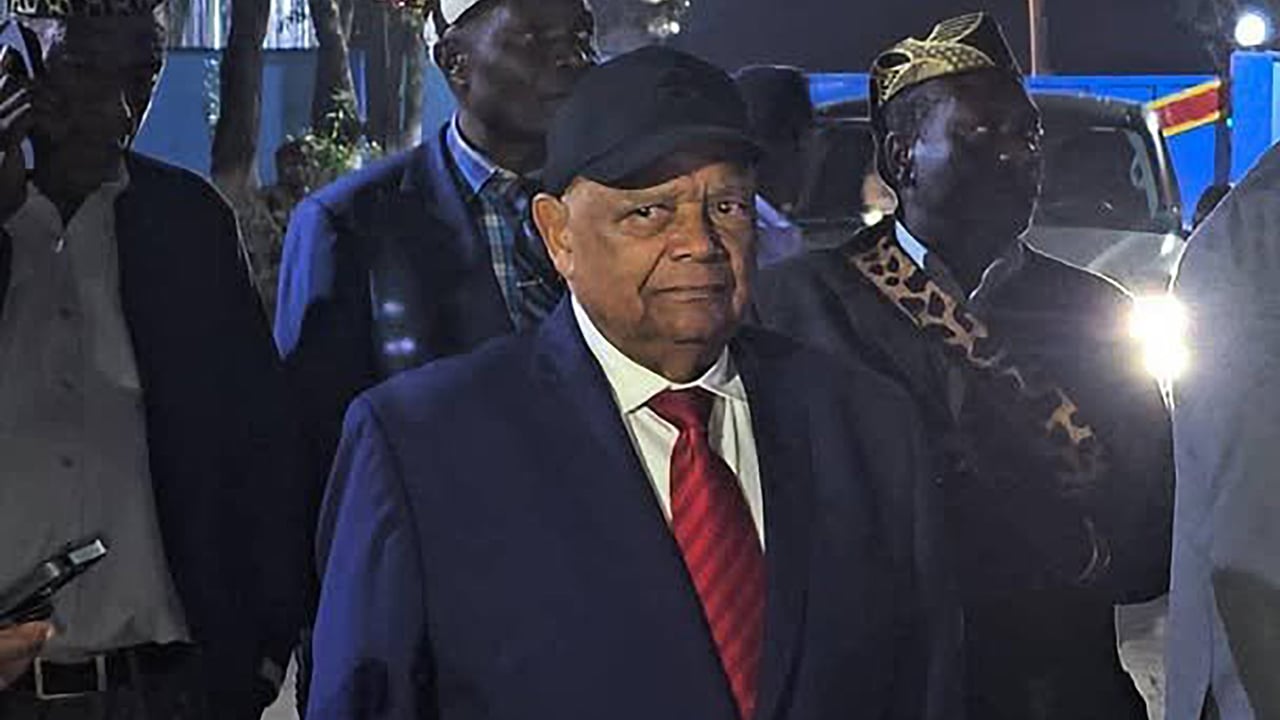
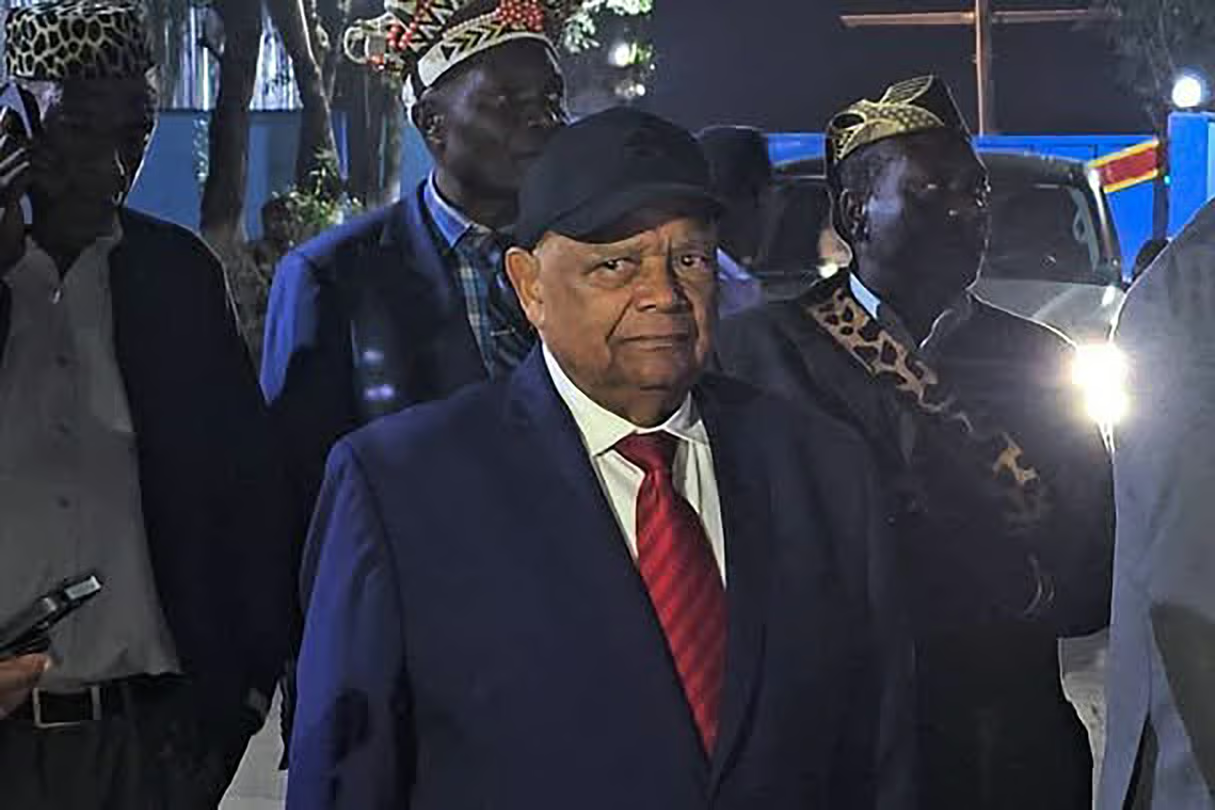
The political landscape in the Democratic Republic of the Congo (DRC) continues to evolve, with key figures playing crucial roles behind the scenes. Among them, Raphaël Katebe Katoto, brother of influential politician Moïse Katumbi, has emerged as a significant envoy for President Félix Tshisekedi in the southern Katanga region. His recent activities in Lubumbashi underscore his growing influence in shaping regional dynamics.
Katebe Katoto’s presence in Katanga is not merely symbolic. Observers note that his engagements in the province reflect broader national strategies, particularly in consolidating support for the current administration. His interactions with local leaders, business figures, and community representatives highlight his role as a bridge between the central government and the resource-rich region.
The southern province, long a political and economic powerhouse, remains a critical area for the DRC’s stability and development. Katebe Katoto’s involvement signals a deliberate effort to strengthen ties and address longstanding challenges in the region.
Connections to Katumbi and Tshisekedi
Katebe Katoto’s familial ties to Moïse Katumbi, a prominent opposition leader and former governor of Katanga, add a unique dimension to his mission. While Katumbi has been a vocal critic of President Tshisekedi’s policies, Katebe Katoto operates within the government’s framework, suggesting a nuanced political strategy at play.
His role as an envoy for Tshisekedi indicates a possible effort to reconcile differences or foster dialogue between the two political figures. The Katanga region, historically aligned with Katumbi’s leadership, now sees Katebe Katoto navigating its complexities on behalf of the presidency.
Analysts suggest that this dual approach—balancing familial loyalty with national duty—could be pivotal in shaping the province’s political future. The delicate balance between local aspirations and national cohesion remains a defining challenge for the DRC.
Economic and political implications
The stakes in Katanga are high, given its vast mineral wealth and strategic importance. Katebe Katoto’s missions likely involve discussions on economic policies, infrastructure development, and security measures tailored to the region’s needs.
The province’s potential to drive national growth makes it a focal point for government initiatives. By engaging with stakeholders, Katebe Katoto is positioned to advocate for policies that align with both local and national interests.
His involvement may also signal efforts to mitigate conflicts or address grievances among mining communities, whose concerns often intersect with broader political narratives.
What’s next for Katebe Katoto and Katanga?
As Katebe Katoto continues his engagements in Katanga, all eyes are on the outcomes of his diplomatic efforts. Will his mission lead to greater stability, economic progress, or political reconciliation in the region?
The coming months will be telling, as the DRC navigates internal and external pressures while striving to harness its vast resources for the benefit of all citizens. Katebe Katoto’s role will undoubtedly remain central to these unfolding developments.