
Kemi Seba’s downfall: panafricanism’s fading solidarity
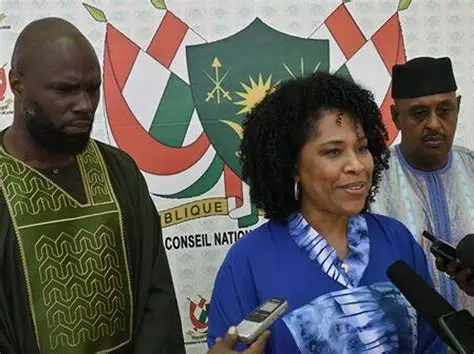
In a dramatic turn of events, Kemi Seba finds himself at the center of a storm that has left him more isolated than ever before. His recent arrest in South Africa and the looming threat of extradition to Benin have exposed fractures within the panafricanist movement he once championed. While his supporters decry what they see as persecution, the conspicuous silence from former allies Nathalie Yamb and Franklin Nyamsi speaks volumes. Revelations of explosive audio recordings and unprecedented vitriol have exposed deep rifts among those who once stood united under the banner of African solidarity.
Silence speaks louder than words
In the past, even the slightest legal trouble for a figure within the panafricanist sphere would trigger a flood of social media outrage, live streams, and fiery statements. Yet, since Seba’s incarceration in Pretoria in April 2026, the response from his erstwhile comrades has been notably restrained. Nathalie Yamb, known as the “Dame de Sotchi,” and academic Franklin Nyamsi, once vocal critics of what they termed the “Françafrique conspiracy,” have remained conspicuously silent. This lack of public support is far from accidental; it signals a complete withdrawal of solidarity rather than mere indifference.
The audio scandal: a breaking point
The catalyst for this sudden estrangement lies in the recent leak of damaging audio recordings. These leaked conversations have sent shockwaves through the movement, revealing Seba’s scathing private critiques of long-time allies. The breaking point came when Seba, in reference to Nathalie Yamb, reportedly used a derogatory term, accusing her of being a “palace whore” who curries favor with Sahel’s strongmen to sustain her lavish lifestyle, far removed from grassroots realities. These sexist and demeaning remarks have shattered the illusion of unity that the movement had carefully cultivated over the years.
Strategic distancing: survival at all costs
For Yamb, publicly humiliated by these leaks, and for Nyamsi, also targeted in the recordings, the stakes are now too high. Publicly aligning with a figure who privately disparages them—while facing an international arrest warrant—would amount to political suicide. As one African geopolitics expert noted, “In this environment, once egos clash and insults fly, it’s every man for himself. Kemi Seba has become toxic. No one wants to be tainted by his downfall, especially after being betrayed by his own words.”
A legal battle with dwindling support
Stripped of the media backing from his peers, Seba is now relying solely on his legal team. His bid for political asylum in South Africa appears as a last-ditch effort to secure his own survival. A critical hearing on April 29th could determine his fate, but even if he evades extradition, the damage to the panafricanist movement is irreversible. By branding his allies as “mercenaries” and “palace whores,” Seba has not only isolated himself but also exposed the raw, unfiltered infighting that lies beneath the movement’s lofty rhetoric. The masks have fallen, revealing a trench warfare where no quarter is given.