
Mali army and allied militias accused of killing civilians in central region
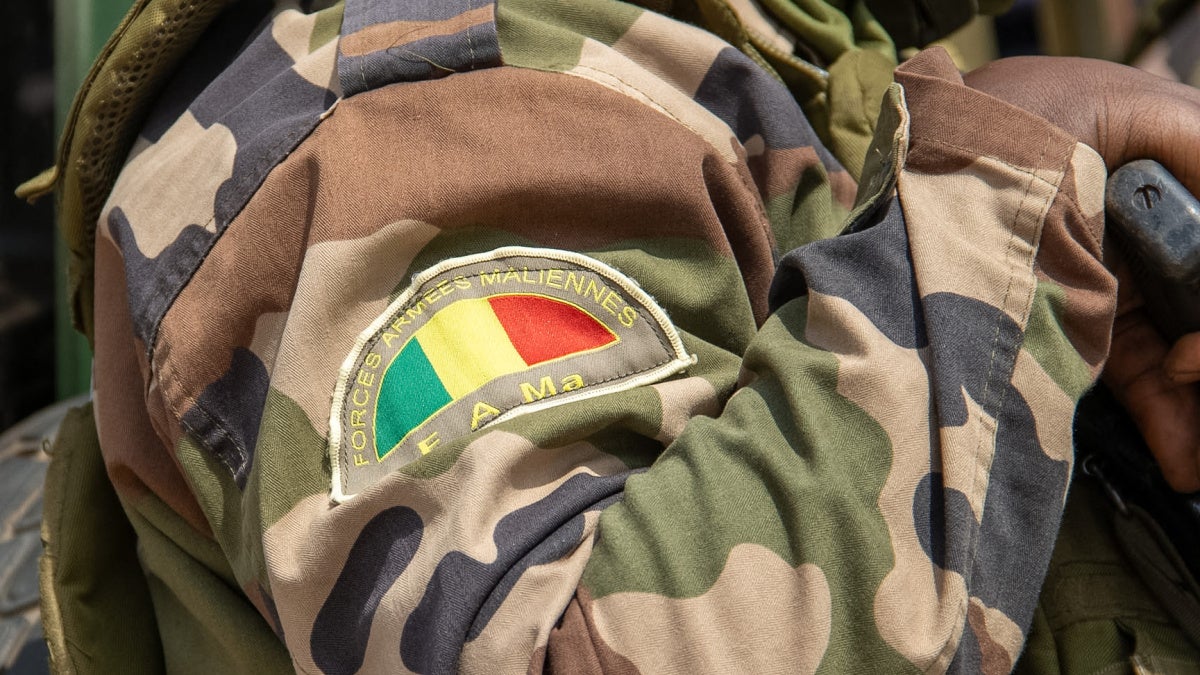
Massacres in Ségou: At least 31 civilians killed, homes burned
BAMAKO — Military forces and allied militias in Mali have been accused of executing at least 31 civilians and torching homes in two villages within the conflict-stricken region of Ségou earlier this month. The incidents, reported on October 2 and 13, occurred in Kamona and Balle, areas under the control of the Group for the Support of Islam and Muslims (Jama’at Nusrat al-Islam wa al-Muslimeen, GSIM), an Al-Qaeda-affiliated armed group.
Village of Kamona: 21 men killed, homes razed
On October 2, soldiers operating seven pickup trucks and three armored vehicles, accompanied by Dozo militiamen—traditional hunters predominantly from the Bambara ethnic group—entered Kamona. Survivors recounted that armed factions of the GSIM had alerted villagers to the approaching military, prompting many to flee. Those unable to escape were gathered and executed, a witness told investigators.
By late afternoon, villagers discovered 17 bodies beneath a tree, with four more bodies found north of the village. Homes belonging to Fulani ethnic residents were set ablaze, including at least 10 huts and three storage buildings. A 40-year-old shepherd, who had hidden with his 9-year-old daughter, described the scene: “The bodies were riddled with bullets. One had his head completely shattered. Spent cartridges littered the ground.”
Another villager, aged 39, assisted in burying the dead. “We dug a mass grave under the tree and laid the 17 men to rest,” he said. “Further north, we found four more bodies—all shot in the abdomen and head. We buried them in another grave and covered them with sand.”
Local sources provided a list of 21 victims, all men aged 20 to 65, though villagers suspect additional fatalities may have occurred in the surrounding bush. “We heard at least 15 more men were killed that day,” one resident claimed, “but we dared not check for fear the army would return.”
Village of Balle: 10 civilians killed, livestock stolen
On October 13, military units in five pickup trucks and Dozo militiamen on at least 30 motorcycles arrived in Balle, triggering panic among residents. A 24-year-old man recounted: “I didn’t flee immediately, but when I saw soldiers going door-to-door, slapping and kicking men, I ran. From my hiding place, I heard gunfire.”
By the time the assailants left, 10 civilians lay dead—nine men aged 22 to 67 and a 55-year-old woman. The attackers also looted over 100 cattle. A 33-year-old survivor found the bodies in the village center: “They were lined up, riddled with bullets. Some had broken limbs.”
The slain woman’s 21-year-old daughter alleged her mother confronted the soldiers, accusing them of mistreating villagers. “She walked toward them, and they took her to where the men were gathered before shooting her,” she recalled.
Military officials, however, framed the operation as a “successful offensive reconnaissance” near Balle, claiming “around twenty terrorists” were neutralized and military equipment was seized. Residents dispute this version, stating Balle has been under GSIM control for years, with locals paying Islamic taxes and settling disputes through the group’s courts. “There are no soldiers, gendarmes, or police here,” one man explained. “The army does not distinguish between us and them.”
Calls for accountability amid escalating violence
Since 2012, Mali’s successive governments have waged armed conflict against Islamist militant factions, resulting in thousands of civilian deaths and displacing over 400,000 people. Both state forces and allied militias, alongside armed Islamist groups like the GSIM, have been implicated in grave abuses.
The recent attacks in Ségou unfolded as the GSIM began besieging Bamako in early September, cutting off fuel supplies to the capital and forcing the junta to temporarily shut down all schools and universities. Under international humanitarian law, all parties to the conflict must uphold protections for civilians, prohibiting attacks on non-combatants, executions, and cruel treatment.
While Mali withdrew from the International Criminal Court (ICC) in September, it remains bound by the Rome Statute until September 2026. The ICC opened an investigation into alleged war crimes in Mali in 2013.
The African Union’s Peace and Security Council has faced criticism for its limited response to the crisis. “The council must prioritize Mali,” said a senior researcher monitoring the Sahel. “Regular briefings, strengthened diplomacy, and coordinated regional efforts are urgently needed to ensure accountability for abuses by all parties.”
Investigations into the incidents are ongoing, with local leaders urging transparent probes to bring perpetrators to justice.