
Mali army and allied militias accused of village massacres in central region
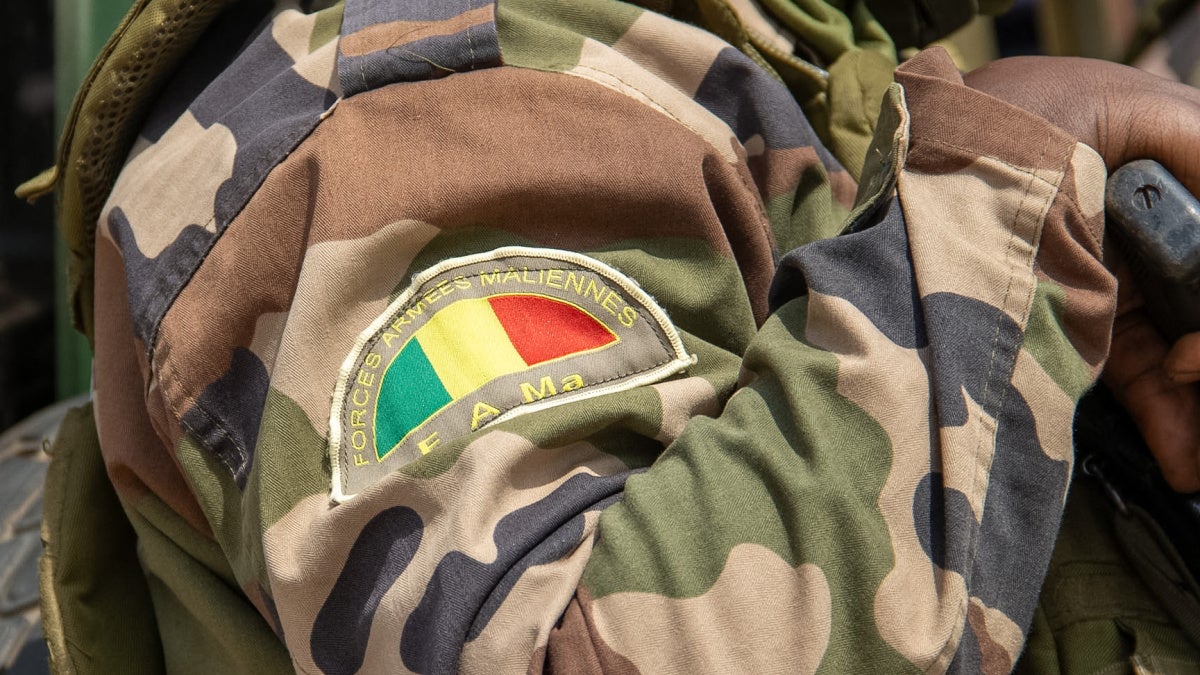
In the heart of Mali’s central region, a chilling wave of violence has left at least 31 civilians dead and entire communities in ruins. Reports confirm that Malian army troops, working alongside allied militias, carried out coordinated attacks on two villages in the Ségou area on October 2 and October 13.
The first assault struck Kamona on October 2, where soldiers and Dozos—traditional hunters turned counterinsurgency auxiliaries—allegedly executed at least 21 men after accusing them of aiding the Group for the Support of Islam and Muslims (Jama’at Nusrat al-Islam wal-Muslimeen, JNIM). Witnesses described how soldiers and militiamen systematically hunted down men, torching at least 10 homes in the process. Survivors recounted how those unable to flee were rounded up and shot in cold blood.
« The October massacres in Ségou are just the latest in a long line of atrocities attributed to Malian forces and their allied militias, » stated a human rights investigator familiar with the region. « Authorities must conduct transparent investigations and hold those responsible accountable through fair legal proceedings. »
In Kamona, the violence left a trail of devastation. Witnesses reported finding 17 bodies beneath a single tree, their bodies riddled with bullets. Four more victims were discovered north of the village, their remains hastily buried in a shallow grave. Local elders provided a list of 21 victims, all men aged 20 to 65, though some villagers believe the toll may be higher. « We heard at least 15 other men were killed in the bush that day, » one resident confided. « But we dared not check—we feared the soldiers would return. »
On October 13, the bloodshed spread to Balle, a village 55 kilometers away. Soldiers arrived in five pickup trucks, accompanied by at least 30 Dozo fighters on motorcycles. Terrified residents fled as troops went door-to-door, assaulting men and dragging them from their homes. By the time the attackers withdrew, 10 civilians lay dead—nine men and one woman—alongside a staggering loss of over 100 cattle stolen by the assailants.
A 24-year-old man who hid during the attack described the horrors from his hiding place. « I saw soldiers kicking and slapping men before gunshots rang out, » he recalled. A 33-year-old villager later found the bodies of the victims scattered across the village square. « They were piled together, their limbs broken, bodies perforated by bullets, » he said. Among the dead was a 55-year-old woman who had confronted the soldiers, only to be executed alongside the others.
The Malian Armed Forces swiftly issued a statement claiming their October 13 operation in Balle was a « successful offensive » that « neutralized around twenty terrorists » and seized military equipment. Yet residents paint a far different picture. « We’ve paid zakat to the JNIM for years, » one villager explained. « They settle disputes here—there are no soldiers, no police. The army doesn’t distinguish between us and them. They assume we’re all fighters. »
Since 2012, Mali has been locked in a brutal conflict with armed Islamist groups, a crisis that has claimed thousands of civilian lives and displaced over 400,000 people. Both state forces and their allied militias, as well as armed groups like JNIM, have been accused of grave human rights violations. The recent surge in violence coincides with JNIM’s escalating siege of Bamako, which has severed the capital’s fuel supply and forced the military junta to shutter schools and universities nationwide.
Under international humanitarian law, all parties in the conflict are bound to uphold protections for civilians. Deliberate attacks on non-combatants, executions, and cruel treatment constitute war crimes. Those found responsible—whether through direct action or command negligence—face potential prosecution. Though Mali withdrew from the International Criminal Court (ICC) in September 2023, it remains bound by the Rome Statute until September 2026, during which time the ICC retains jurisdiction over alleged crimes committed since 2012.
The African Union (AU) has faced criticism for its limited response to the spiraling crisis in Mali, despite its mandate to promote peace and security. Calls for stronger action—including regular briefings, diplomatic pressure, and coordinated regional efforts—have grown louder as the conflict intensifies. « The AU Peace and Security Council must prioritize Mali, » the investigator urged. « They must take concrete steps to ensure accountability for abuses on all sides. »