
Mali army and allied militias accused of slaughtering civilians in central region
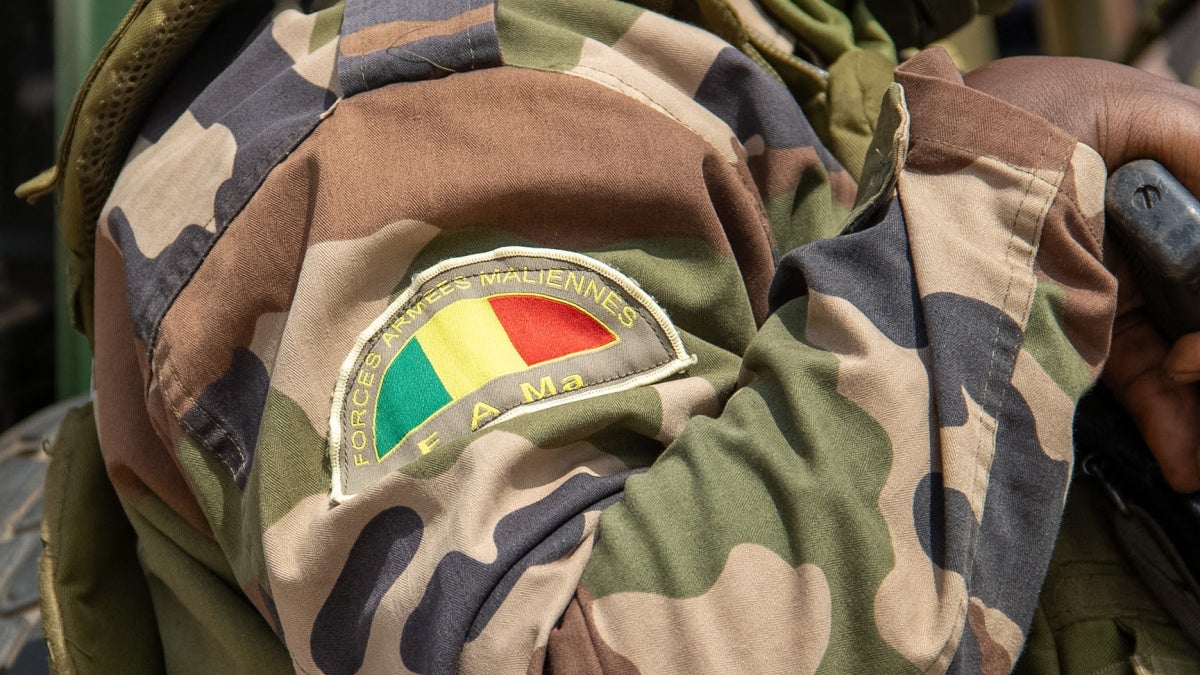
Fresh atrocities in Ségou as Malian forces and dozos accused of systematic killings
Investigations reveal that soldiers of the Malian Armed Forces and allied dozos militias executed at least 31 civilians and torched homes in two villages within the embattled region of Ségou during early October. Survivors describe coordinated raids on October 2 and October 13 that left entire families slaughtered, with victims ranging from young men to elderly residents.
Kamona massacre: 21 men executed in cold blood
On the morning of October 2, a combined force of Malian soldiers and dozos militants stormed into the village of Kamona, deploying at least seven pickup trucks, three armored vehicles, and numerous motorcycles. The attackers, identifiable by camouflage uniforms and traditional charms worn around their necks, systematically hunted down male residents. According to multiple testimonies, the Group for the Support of Islam and Muslims (GSIM) had warned villagers of the impending military advance, triggering a mass exodus.
Those unable to flee were gathered and shot at close range. “We heard gunfire, then screams, and then silence,” recounted a local survivor who hid with his daughter in an abandoned building. “By the time the attackers left, 17 bodies lay beneath a tree. They had been shot execution-style, some with their heads shattered.“
Another resident, aged 39, assisted in burying the dead in a mass grave. “We found four more bodies farther north, all with bullet wounds to the head and torso,” he said. “We buried them quickly, terrified the soldiers would return.“
The village elders compiled a list of 21 killed—all men aged 20 to 65. Some witnesses claim the death toll may be higher, with at least 15 additional men reportedly killed in surrounding bushland. Over a dozen huts and three storage buildings belonging to Fulani residents were set ablaze during the rampage.
Balle killings: 10 civilians, including a woman, slaughtered
Thirteen days later, on October 13, military units and dozos militants descended on the village of Balle, approximately 55 kilometers from Kamona. The assault began around 1 p.m., prompting some residents to flee immediately. “The soldiers went house-to-house, beating and kicking men before dragging them outside,” said a 24-year-old who witnessed the attack from hiding. “We heard gunshots, then nothing.“
Among the dead was a 55-year-old woman who confronted the soldiers, accusing them of brutality. “She walked toward them, shouting that we were civilians,” her 21-year-old daughter recalled. “They dragged her to where the men were gathered and shot her point-blank.“
In total, nine men aged 22 to 67 and the woman were killed. The assailants also looted over 100 cattle before retreating. A 33-year-old villager discovered the bodies arranged in a row. “Most had broken limbs and multiple gunshot wounds,” he said. “It was clear they had been tortured before execution.“
Military denies accusations, but locals refute claims
The Malian Armed Forces Chief of Staff issued a statement on October 14 claiming the October 13 operation was a “defensive reconnaissance mission” that “neutralized around twenty terrorists” and seized military equipment. However, residents insist Balle has been under GSIM control for years. “We pay Islamic taxes to them annually,” said one elder. “Disputes are settled by the jihadists—there are no soldiers or police here. The army sees no difference between us and them.“
The recent spate of violence follows intensified GSIM attacks on government and civilian targets in the Ségou region, including a brazen assault on the Siribala sugar refinery in August that disrupted regional supply chains.
International humanitarian law and accountability gaps
All parties in the Malian conflict are bound by international humanitarian law, including Article 3 common to the Geneva Conventions and customary laws of war. These frameworks explicitly prohibit attacks on civilians, extrajudicial killings, and torture. Perpetrators or commanders responsible for such violations may face prosecution for war crimes.
Despite Mali’s withdrawal from the International Criminal Court (ICC) in September 2025, the country remains subject to ICC jurisdiction until September 2026. The ICC opened an investigation into alleged war crimes in Mali in 2013, focusing on abuses by both state forces and armed groups since the 2012 conflict escalation.
The African Union (AU), tasked with promoting peace and security, has yet to take meaningful action beyond issuing statements expressing concern over the deteriorating situation. Analysts warn this inaction emboldens further atrocities.
“The AU Peace and Security Council must prioritize Mali,” stated a senior regional analyst. “They need to hold urgent briefings, strengthen diplomatic efforts, and coordinate regional and international responses to ensure accountability for all parties involved.“