
Massacres in central Mali villages linked to army and allied militias
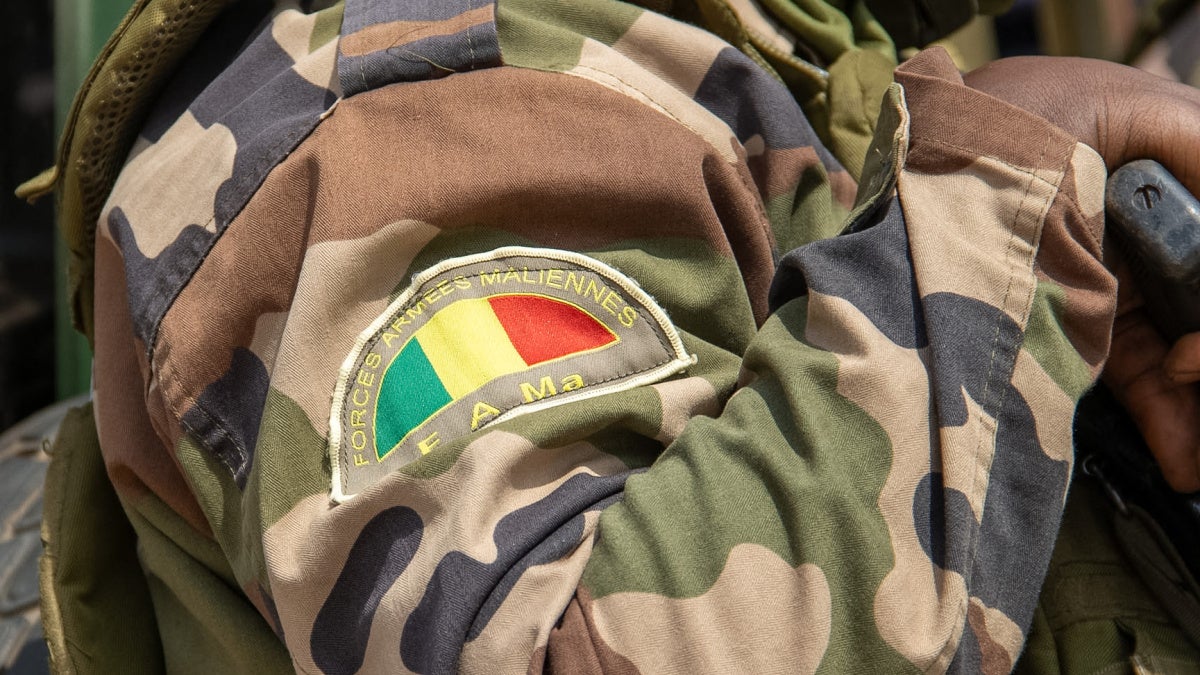
At least 31 civilians were killed and homes were torched in two villages in Mali’s central Ségou region on October 2 and 13, following coordinated attacks by the Malian army and allied militias, according to field investigations.
On October 2, soldiers and dozo militias—traditional hunters primarily from the Bambara ethnic group engaged in counterinsurgency operations for over a decade—raided Kamona village. Witnesses reported that the Malian Armed Forces (FAMA) and their allies arrived in at least seven pick-ups and three armored vehicles, accompanied by dozo fighters on motorcycles. The attackers targeted men in the village, executing at least 21 and setting fire to 10 homes. Survivors described how those unable to flee were rounded up and shot.
Villagers fled after being warned by Jama’at Nusrat al-Islam wal Muslimeen (JNIM) fighters of the approaching military, though no clashes between the two groups were reported. The survivors later discovered 17 bodies beneath a tree and four more bodies north of Kamona, all male victims between 20 and 65 years old. A hidden shepherd recounted finding the corpses, noting many had been shot at close range, with some showing severe head trauma. Another resident described burying 21 victims in a mass grave under the tree and four more in a separate location. Locals also reported hearing accounts of 15 additional men killed in nearby bushland, though they did not confirm the details out of fear of further attacks.
On October 13, similar violence unfolded in Balle, a village roughly 55 kilometers from Kamona. Soldiers in five pick-ups and dozo militiamen on at least 30 motorcycles stormed the settlement, prompting some residents to flee. Survivors described soldiers conducting door-to-door searches, assaulting men, and executing 10 civilians, including a 55-year-old woman. The attackers also stole over 100 cattle. A 33-year-old man found the bodies scattered in the village center, describing them as riddled with bullets and showing signs of severe injury. The victim’s daughter recounted how her mother, attempting to confront the soldiers, was dragged away and shot.
Residents of Balle have lived under JNIM control for years, paying Islamic taxes and relying on the group to resolve disputes. One villager explained, “We pay zakat every year. If there are disputes, the jihadists settle them. There are no soldiers, gendarmes, or police here. The army assumes we are JNIM fighters and makes no distinction.”
The Malian army’s official statement claimed a “reconnaissance offensive” near Balle on October 13 resulted in the “neutralization of around twenty terrorists” and the seizure of military equipment. However, witnesses disputed this account, asserting that no armed confrontations occurred during the attacks.
Since 2012, Mali has been embroiled in a conflict involving multiple Islamist armed groups, leading to thousands of civilian deaths and displacing over 402,000 people. Both the Malian army and allied militias have been accused of atrocities during counterinsurgency operations, alongside abuses committed by groups like JNIM.
The recent surge in violence in Ségou coincides with JNIM’s siege of Bamako, which began in early September and cut off fuel supplies to the capital. In response, the military junta temporarily closed all schools and universities nationwide. All parties to the conflict are bound by international humanitarian law, which prohibits attacks on civilians and the killing or cruel treatment of detainees. Those responsible for war crimes may face prosecution.
Though Mali withdrew from the International Criminal Court (ICC) in September, it remains a State Party to the Rome Statute until September 2026. The ICC opened an investigation into alleged war crimes in Mali in January 2013.
Critics argue the African Union has failed to take meaningful action to address the deteriorating security situation in Mali. Despite the worsening conflict, the AU’s Peace and Security Council has limited its response to issuing statements expressing concern. Advocates urge the council to prioritize Mali, intensify diplomatic efforts, and coordinate regional and international actions to hold all parties accountable for abuses.