
Mali conflict: army and allied militias accused of civilian massacres in Ségou
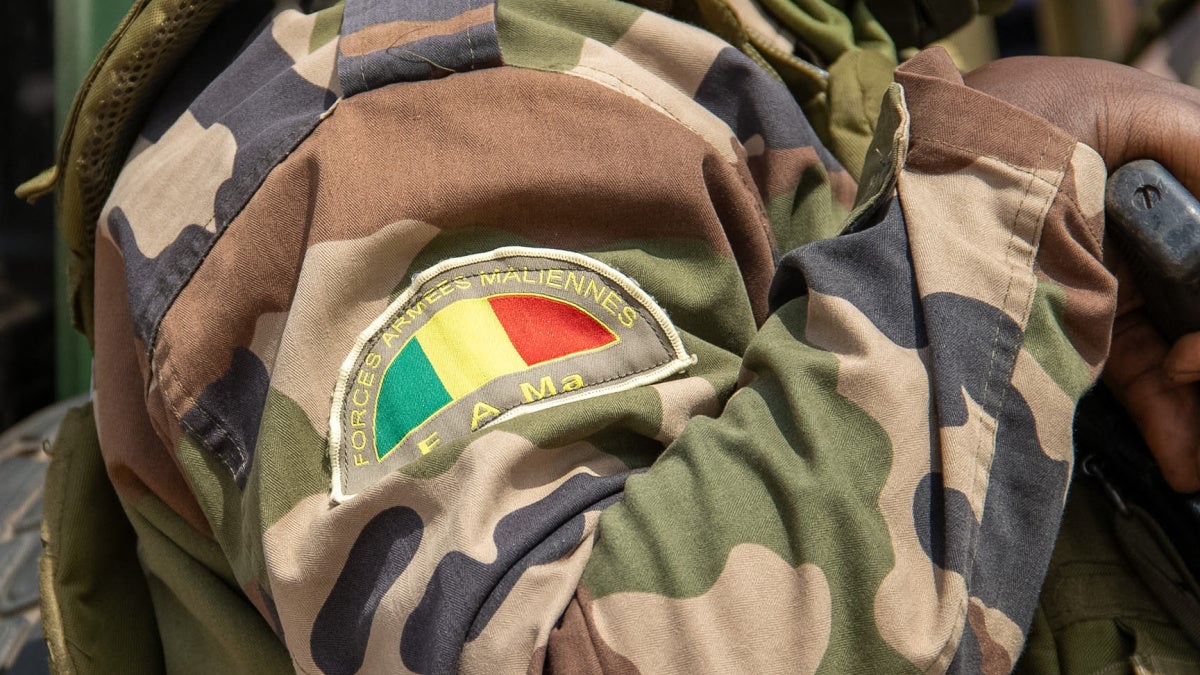
Mass killings in central Mali linked to joint military-militia operations
Investigations reveal that Malian armed forces and allied dozos militias executed at least 31 civilians in two villages in the conflict-stricken Ségou region during early October. The attacks, occurring on October 2 and 13, resulted in the burning of homes and the targeted killing of unarmed villagers.
October 2 massacre in Kamona: 21 men executed
On the morning of October 2, soldiers in camouflage uniforms arrived in Kamona aboard seven pickup trucks and three armored vehicles, accompanied by dozos militiamen on motorcycles. The joint force systematically hunted down male residents, accusing them of collaborating with the Group for the Support of Islam and Muslims (GSIM), an al-Qaeda-affiliated jihadist group controlling the area.
Witnesses reported that dozos fighters, identifiable by traditional attire and protective amulets, gathered the men before summarily executing them. “Those who couldn’t flee were rounded up and killed,” stated a survivor. The soldiers then set fire to at least 10 homes belonging to Fulani ethnic community members.
By evening, 17 bodies were discovered beneath a tree near the village, with four additional victims found north of Kamona. Survivors described the scene as horrific: “The bodies were riddled with bullets. One man’s head was completely crushed.” Local authorities compiled a list of 21 male victims aged 20 to 65, though villagers claimed the death toll might be higher with at least 15 additional men reportedly killed in surrounding bushland.
October 13 attack in Balle: 10 civilians killed
Thirteen days later, a similar operation unfolded in the village of Balle, 55 kilometers from Kamona. Soldiers in five pickup trucks and dozos on 30 motorcycles stormed the settlement, triggering panic among residents. “I didn’t flee immediately, but when I saw soldiers going door-to-door and assaulting men, I hid,” recounted a 24-year-old man who witnessed the violence from a hiding spot.
The joint force executed 10 civilians, including a 55-year-old woman, and seized over 100 cattle. A 33-year-old survivor described finding the victims: “Their bodies were strewn together, riddled with bullets. Some had broken limbs.” The woman’s daughter tearfully recounted her mother’s final moments: “She confronted the soldiers, accusing them of abuse. They took her where the men were gathered and shot her.”
Military claims disputed by local testimonies
The Malian military issued a statement claiming their October 13 operation near Balle “neutralized around twenty terrorists” and confiscated military equipment. However, residents contradicted this narrative, stating that Balle had been under GSIM control for years. “We’ve paid Islamic taxes to them annually,” explained a local. “Disputes are settled by the jihadists—not by government forces. The army makes no distinction between civilians and fighters.”
The escalating violence follows recent GSIM attacks, including an August 8 strike on the Siribala sugar factory, which cut off Bamako’s fuel supply and forced the military junta to close all schools and universities temporarily.
Accountability and international response
Human rights organizations have documented widespread abuses by Malian forces and allied militias during counterinsurgency operations, alongside atrocities committed by jihadist groups. The conflict, now in its twelfth year, has claimed thousands of civilian lives and displaced over 402,000 people.
While Mali withdrew from the International Criminal Court (ICC) in September, it remains bound by the Rome Statute until September 2026. The ICC opened an investigation into alleged war crimes in 2013. Meanwhile, the African Union’s Peace and Security Council has been criticized for failing to address the crisis adequately, with critics calling for stronger diplomatic and accountability measures.
“The council must prioritize Mali’s conflict,” urged a senior researcher. “Regular briefings, strengthened diplomacy, and coordinated regional efforts are essential to ensure accountability for abuses by all parties.”