
Mali civilians massacred by army and allied militias in segou region
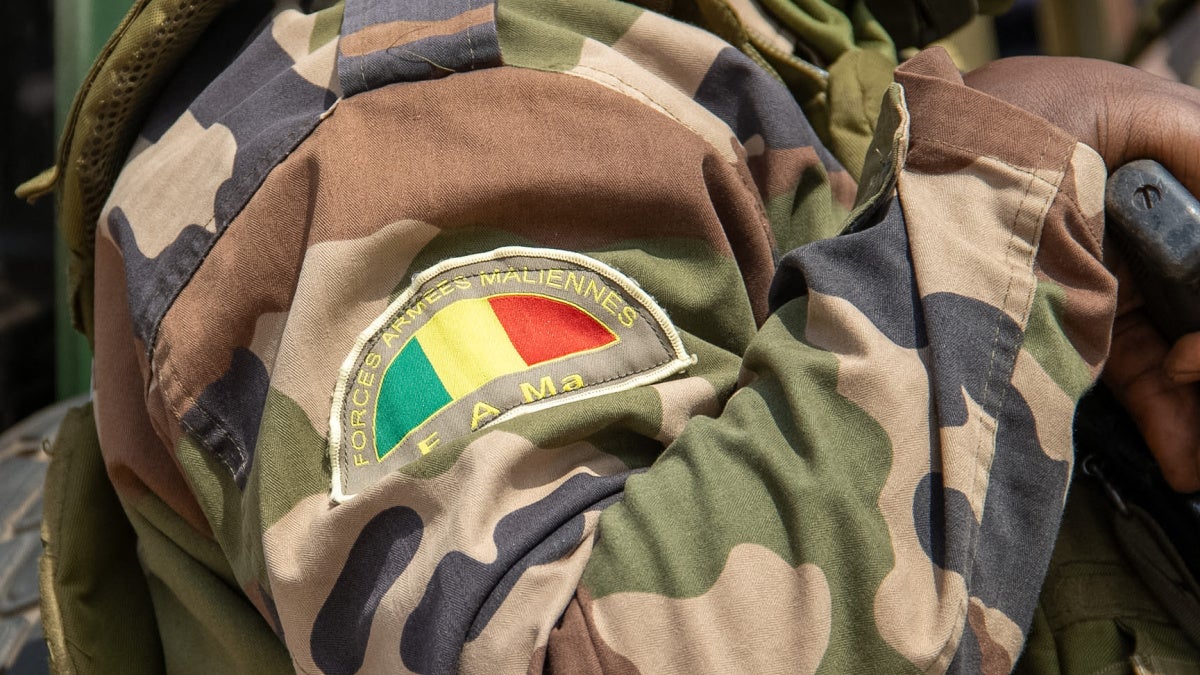
Bamako — At least 31 civilians were brutally killed and homes torched by Malian army troops alongside allied militias in two villages of the conflict-ridden Ségou region on October 2 and 13, according to field investigations.
On October 2, military forces and Dozos—traditional hunters predominantly from the Bambara ethnic group who have joined counterinsurgency operations for over a decade—stormed Kamona, executing at least 21 men and setting ablaze over 10 homes. Survivors recounted that Jama’at Nusrat al-Islam wal Muslimeen (JNIM), an Al-Qaeda-affiliated group controlling the area, had warned residents of the impending raid, prompting many to flee. Those unable to escape were gathered and shot at close range.
Witnesses confirmed that JNIM fighters had withdrawn before the army’s arrival, with no clashes reported between the two sides. Locals suspect the killings were retaliation for recent JNIM attacks in the region, including an assault on the Siribala sugar factory in August.
Under a tree in Kamona, 17 bodies were later discovered, alongside four more north of the village. Survivors described finding bullet-riddled corpses, including one with a crushed skull. A 40-year-old herder, who hid with his 9-year-old daughter, recalled: “The attackers left around 4 p.m. I found 17 bodies. They were riddled with bullets. One man’s head was completely shattered, and spent cartridges littered the ground.”
A 39-year-old man who helped bury the dead described digging a mass grave: “We laid 17 men to rest under the tree. Four more bodies were found to the north—each shot in the abdomen and head. We buried them in another grave and covered it with sand.”
Victims included 21 men aged 20 to 65, though villagers believed others may have perished in the bush. “We heard at least 15 more men were killed out there,” one resident said, “but we didn’t check—we were too afraid the army would return.”
On October 13, soldiers and Dozos struck again in Balle, 55 kilometers away. Around 1 p.m., troops in five pickup trucks and militiamen on 30 motorcycles stormed the village, forcing some residents to flee. A 24-year-old man recounted: “I didn’t run immediately, but when I saw soldiers going door-to-door and beating men, I hid. From my hiding spot, I heard gunfire.”
Ten civilians—nine men aged 22 to 67 and a 55-year-old woman—were killed, and over 100 cattle were stolen. A 33-year-old man found the bodies in the village center: “They lay side by side, riddled with bullets. Some had broken limbs.”
The slain woman’s 21-year-old daughter described how her mother confronted the soldiers, accusing them of abusing villagers. “She approached them and was taken to where the men were gathered. They shot her dead.”
Military officials claimed the October 13 operation was an “offensive reconnaissance” that “neutralized around 20 terrorists” and seized weapons. However, residents disputed this, stating Balle had been under JNIM control for years. “We pay zakat every year. Disputes are settled by the jihadists—there are no soldiers or police here,” one man explained. “The army doesn’t differentiate between us and them.”
Since 2012, Mali’s recurring conflicts with Islamist armed groups have killed thousands of civilians and displaced over 400,000 people. Both sides—government forces with allied militias and jihadist groups—have been documented committing grave abuses. The recent military attacks in Ségou followed JNIM’s siege of Bamako in early September, which cut off fuel supplies and forced the military junta to shutter schools nationwide.
Under international humanitarian law, all conflict parties in Mali must uphold protections for civilians. Attacks targeting non-combatants, executions, and torture are strictly prohibited. Those responsible for war crimes—whether through direct action or command responsibility—can face prosecution.
Though Mali withdrew from the International Criminal Court (ICC) in September, it remains bound by the Rome Statute until 2026. The ICC has investigated alleged war crimes in Mali since 2013. Meanwhile, the African Union’s response to the escalating crisis has been limited to statements expressing concern, with no concrete action taken by its Peace and Security Council.
“The AU must prioritize Mali’s conflict,” stated a senior Sahel researcher. “Regular briefings, strengthened diplomacy, and coordinated regional efforts are urgently needed to hold all perpetrators accountable.”